Book cover Heuristics and Biases
Select an audio
0:00
Intro - Heuristics and Biases --:--
1. Cognitive Heuristics --:--
2. Systematic Biases --:--
3. Framing Effects --:--
4. Overconfidence Bias --:--
5. Loss Aversion --:--
6. The Role of Emotion in Decision-Making --:--
7. Practical Applications and Strategies --:--

Heuristics and Biases

Dale Griffin, Daniel Kahneman, Thomas Gilovich

The Psychology of Intuitive Judgment

23 min

Summary

The book 'Heuristics and Biases' delves into the cognitive shortcuts and systematic errors that influence human judgment and decision-making. It provides a comprehensive exploration of how heuristics—mental shortcuts that simplify decision processes—can lead to biases that affect our choices in everyday life. The authors, Daniel Kahneman and Amos Tversky, are pioneers in the field of behavioral economics, and their work has significantly shaped our understanding of the psychological factors involved in decision-making.

One of the central themes of the book is the distinction between intuitive and analytical thinking. Intuitive thinking is fast and automatic, relying on heuristics to make quick judgments. While this approach can be efficient, it often leads to errors due to cognitive biases. In contrast, analytical thinking is slower and more deliberate, requiring more cognitive resources to evaluate options thoroughly. The balance between these two modes of thinking is crucial for effective decision-making.

The book outlines several key cognitive heuristics, such as the availability heuristic, which suggests that people assess the probability of events based on how easily examples come to mind. This can lead to skewed perceptions of risk and probability, as individuals may overestimate the likelihood of dramatic events that are highly publicized, while underestimating more common but less sensational occurrences.

Systematic biases are another focus of the book. These predictable errors arise from the use of heuristics and can significantly impact our decision-making. For example, confirmation bias leads individuals to seek out information that supports their existing beliefs, while ignoring contradictory evidence. The authors highlight the importance of recognizing these biases to improve decision quality and avoid common pitfalls.

Framing effects are also discussed extensively. The way information is presented can dramatically influence decision outcomes. For instance, individuals may react differently to the same information depending on whether it is framed positively or negatively. Understanding framing effects can help individuals make more balanced and informed decisions by critically evaluating how choices are presented.

The book also delves into emotional influences on decision-making. Emotions can override rational thought processes, leading to biases that affect our judgments. For instance, fear may cause individuals to make overly cautious decisions, while excitement may lead to risky choices. The authors argue for the need to strike a balance between emotional insights and rational analysis to enhance decision quality.

Loss aversion is another critical concept explored in the book. This principle suggests that individuals prefer to avoid losses rather than acquire equivalent gains, leading to irrational decision-making. The authors illustrate how loss aversion can impact various aspects of life, including financial decisions and personal behavior, emphasizing the need to understand our emotional responses to risk.

Finally, the book offers practical applications and strategies for mitigating the effects of heuristics and biases. These include promoting awareness of biases, encouraging critical thinking, and utilizing structured decision-making processes. By implementing these strategies, individuals and organizations can improve their decision-making outcomes and navigate the complexities of choice more effectively.

Overall, 'Heuristics and Biases' serves as a foundational text in understanding the psychological factors that influence human decision-making. It provides valuable insights into the interplay between intuition and analysis, the impact of cognitive biases, and the importance of emotional awareness in making informed choices. The book is essential reading for anyone interested in psychology, economics, business, or any field that involves decision-making.

Cognitive Heuristics

Cognitive heuristics are mental shortcuts that allow individuals to make decisions quickly and efficiently. These rules of thumb simplify complex decision-making processes by reducing the cognitive load required to evaluate every possible option. While heuristics can be beneficial in many situations, they can also lead to systematic biases and errors in judgment. For instance, the availability heuristic causes people to judge the likelihood of events based on how easily examples come to mind, which can skew perception of risk and probability. Understanding cognitive heuristics is crucial for recognizing when they might lead us astray and how we can mitigate their effects.

Continue reading
Cognitive heuristics represent a fundamental aspect of human decision-making, serving as mental shortcuts that streamline the often overwhelming process of evaluating options and making choices. These heuristics allow individuals to navigate complex environments where information is abundant and time is limited. By relying on these simplified rules of thumb, people can make decisions quickly without engaging in exhaustive analysis.

However, while cognitive heuristics can enhance efficiency and speed in decision-making, they also carry inherent risks. The reliance on these shortcuts can lead to systematic biases and errors in judgment, which can significantly affect outcomes. For example, the availability heuristic is a prominent type of cognitive shortcut that influences how people assess the likelihood of events. When individuals evaluate the probability of an event, they often rely on the ease with which they can recall instances of that event from memory. If vivid or recent examples come to mind easily, individuals may overestimate the frequency or likelihood of such events occurring. This can skew their perception of risk, leading to decisions that may not align with statistical reality.

Another common heuristic is the representativeness heuristic, where individuals judge the probability of an event based on how closely it resembles a typical case. This can lead to misjudgments, particularly when it comes to understanding probabilities and understanding randomness. For instance, people may assume that a small sample size should reflect the characteristics of a larger population, which can lead to erroneous conclusions about trends or behaviors.

Understanding cognitive heuristics is essential for recognizing their potential pitfalls. By being aware of the biases that can arise from these mental shortcuts, individuals can take steps to mitigate their effects. This might involve seeking additional information, considering alternative perspectives, or employing more structured decision-making processes that encourage critical thinking.

Moreover, the impact of cognitive heuristics extends beyond individual decision-making; it also plays a significant role in group dynamics, public policy, and market behavior. Decisions made in groups can amplify the effects of heuristics, as shared biases can lead to collective misjudgments. In the realm of public policy, policymakers may rely on heuristics to gauge public opinion or assess risks, which can lead to decisions that do not adequately address the complexities of societal issues.

In summary, cognitive heuristics are a double-edged sword in the decision-making landscape. While they can facilitate quick and efficient choices, they also pose risks of systematic biases and errors. A deep understanding of these mental shortcuts, their mechanisms, and their implications is crucial for improving decision-making processes, both at the individual and societal levels.

Systematic Biases

Systematic biases are predictable errors in judgment that arise from the use of heuristics. The book identifies various types of biases, such as confirmation bias, where individuals favor information that confirms their pre-existing beliefs, and anchoring bias, where initial information disproportionately influences subsequent judgments. These biases can distort our thinking and lead to poor decision-making in both personal and professional contexts. By being aware of these biases, individuals can strive to make more rational choices and avoid pitfalls that result from flawed reasoning.

Continue reading
Systematic biases represent a fundamental aspect of human judgment and decision-making processes, characterized by predictable errors that emerge when individuals rely on heuristics, or mental shortcuts, to navigate complex information. These biases are not random; they follow identifiable patterns that can lead to consistent deviations from rationality.

One prominent example of systematic bias is confirmation bias. This phenomenon occurs when individuals tend to seek out, interpret, and remember information in a way that confirms their existing beliefs or hypotheses. For instance, if someone holds a particular political view, they are more likely to pay attention to news articles or social media posts that align with their perspective, while disregarding or downplaying information that contradicts it. This selective exposure can reinforce existing beliefs and create echo chambers, ultimately hindering open-mindedness and critical thinking. The implications of confirmation bias are profound, as it can lead to polarized viewpoints, poor decision-making, and a lack of willingness to consider alternative solutions or perspectives.

Another significant example is anchoring bias, which occurs when individuals rely too heavily on the first piece of information they encounter when making decisions. This initial information serves as an "anchor," influencing subsequent judgments and estimates. For instance, if a person is presented with an initial price for a product, that price can anchor their perception of what constitutes a reasonable price, even if subsequent information suggests a different value. This can lead to distorted evaluations and decisions that are not based on objective analysis but rather on the initial reference point. Anchoring can be particularly problematic in negotiations, pricing strategies, and assessments of value, as it can skew perceptions and outcomes.

These systematic biases can manifest in various contexts, from everyday personal choices to critical business decisions. In professional settings, they may lead to flawed strategic planning, poor risk assessment, and misguided resource allocation. For example, a manager might rely too heavily on past performance data (anchoring) when evaluating a new project, or a hiring committee might overlook qualified candidates who do not fit a preconceived notion of an ideal applicant (confirmation bias).

Being aware of these biases is crucial for individuals seeking to enhance their decision-making capabilities. By recognizing the influence of systematic biases, one can adopt strategies to mitigate their effects. This may involve seeking diverse perspectives, actively questioning initial assumptions, and employing structured decision-making processes that encourage critical evaluation of information. Ultimately, understanding and addressing systematic biases can lead to more rational choices, improved outcomes, and a greater capacity for effective problem-solving in both personal and professional realms.

Framing Effects

Framing effects refer to the influence that the presentation of information has on decision-making. The way a problem or choice is framed can significantly impact the outcomes and the decisions individuals make. For example, people may react differently to a medical treatment framed as having a 90% success rate versus one framed as having a 10% failure rate, even though the information is statistically equivalent. This highlights the importance of critically evaluating how information is presented and considering alternative perspectives to arrive at more balanced decisions.

Continue reading
Framing effects illustrate a fundamental aspect of human cognition and decision-making, emphasizing how the presentation of information can shape perceptions and influence choices. This concept is rooted in the understanding that individuals do not always process information in a purely rational manner; instead, their judgments can be swayed by the context in which information is delivered.

The essence of framing lies in the idea that the same information can be interpreted differently based on how it is framed. For instance, when individuals are presented with a medical treatment's success rate as "90% effective," they may perceive the treatment as highly favorable and are more likely to opt for it. Conversely, if the same treatment is described as having a "10% failure rate," it can evoke feelings of caution or fear, leading individuals to reconsider their choice. This dichotomy illustrates that the underlying statistics remain unchanged, yet the emotional and cognitive responses can vary dramatically based on wording and context.

The implications of framing effects extend beyond individual choices to broader societal and policy decisions. For example, in public health campaigns, the way information about vaccines is framed can significantly affect public perception and acceptance. If the benefits of vaccination are emphasized, individuals may be more inclined to get vaccinated. However, if the risks are highlighted, even if those risks are minimal, it can lead to increased hesitancy and fear. This underscores the responsibility of communicators, policymakers, and marketers to present information in a way that fosters informed decision-making rather than inciting unnecessary anxiety or misunderstanding.

Moreover, framing effects can be seen in various domains, including marketing, finance, and political communication. In marketing, products can be positioned in a way that highlights their benefits or minimizes their drawbacks, influencing consumer behavior. In finance, investment options can be framed in terms of potential gains or losses, affecting investor sentiment and risk tolerance. In politics, the framing of issues can shape public opinion, swaying voters and impacting election outcomes.

To navigate the influence of framing effects, it is crucial for individuals to develop critical thinking skills that allow them to dissect the presentation of information. This involves recognizing the potential biases introduced by framing and actively seeking out alternative perspectives. By doing so, individuals can strive for a more nuanced understanding of the information at hand, leading to more balanced and informed decisions.

In summary, framing effects reveal the intricate ways in which the structure and presentation of information can shape human thought and behavior. Understanding this phenomenon encourages a more mindful approach to decision-making, prompting individuals to look beyond the surface and consider the broader context in which information is presented.

Overconfidence Bias

The overconfidence bias occurs when individuals overestimate their knowledge, abilities, or the accuracy of their predictions. This bias can lead to poor decision-making in various domains, including finance, health, and personal relationships. People may take excessive risks or ignore valuable feedback due to their inflated self-assessment. The book emphasizes the need for self-awareness and humility in recognizing our limitations and the potential for error, advocating for a more cautious approach to decision-making that incorporates feedback and external information.

Continue reading
The overconfidence bias is a cognitive distortion that leads individuals to have an inflated sense of their own knowledge, skills, or predictive capabilities. This phenomenon can manifest in various ways, such as overestimating the accuracy of one's judgments or the likelihood of positive outcomes while underestimating risks. It is particularly prevalent in high-stakes environments, such as finance, where investors may believe they have superior insight into market trends, leading them to make imprudent investment choices.

This bias is not merely a benign self-assessment; it can have serious repercussions. For instance, in the realm of health, individuals may disregard medical advice or fail to seek necessary treatment because they overestimate their understanding of their own health conditions. In personal relationships, overconfidence can lead to conflicts, as individuals may believe they are right in disputes without adequately considering their partner's perspective or the complexities of the situation.

The book highlights that this bias often stems from a lack of self-awareness and an inability to recognize one's limitations. People tend to focus on their successes while downplaying or overlooking their failures, creating a skewed perception of their capabilities. This selective memory can reinforce overconfidence, as individuals may not learn from past mistakes or failures, perpetuating a cycle of overestimation.

Moreover, the overconfidence bias can lead to a disregard for external feedback. When individuals are overly confident, they may dismiss constructive criticism or valuable insights from others, believing that they know better. This can result in a failure to adapt or improve, as they may not seek out or value alternative viewpoints that could enhance their decision-making process.

To mitigate the effects of overconfidence, the text advocates for cultivating self-awareness and humility. Recognizing that everyone has limitations and that errors are a natural part of decision-making can encourage individuals to adopt a more cautious approach. This involves actively seeking feedback, remaining open to new information, and being willing to adjust one's beliefs and strategies based on evidence and external input. By fostering a mindset that values continuous learning and adaptability, individuals can make more informed decisions that are less influenced by an inflated sense of self-assurance.

Loss Aversion

Loss aversion is a key concept in behavioral economics that suggests individuals prefer to avoid losses rather than acquire equivalent gains. This bias can lead to irrational decision-making, where the fear of losing something outweighs the potential benefits of gaining something new. For instance, investors may hold onto losing stocks for too long to avoid realizing a loss, missing out on better opportunities. The book discusses the implications of loss aversion in various contexts, including finance, marketing, and personal behavior, underscoring the importance of understanding our emotional responses to risk.

Continue reading
Loss aversion is a fundamental principle in behavioral economics that highlights a profound aspect of human psychology: the tendency to prioritize the avoidance of losses over the pursuit of equivalent gains. This concept posits that the emotional impact of losing something is significantly more intense than the joy derived from gaining something of equal value. Essentially, the pain of loss is felt more acutely than the pleasure of a comparable gain, leading individuals to make decisions that may seem irrational from a purely logical standpoint.

To illustrate this concept, consider the behavior of investors in the stock market. When faced with a declining stock, many investors often choose to hold onto their losing investments rather than selling them at a loss. This decision is driven by the desire to avoid the psychological discomfort associated with realizing a loss. By holding onto these losing positions, investors hope for a rebound in stock prices, believing that selling would cement their losses and lead to greater emotional pain. This behavior can lead to significant missed opportunities, as investors may overlook more promising investments while clinging to their underperforming assets.

Loss aversion extends beyond financial decisions and can be observed in various aspects of everyday life, including marketing and personal behavior. For example, consumers may be more motivated to take action when faced with the prospect of losing a benefit (such as a discount or a limited-time offer) rather than when presented with the possibility of gaining something new. This can lead marketers to frame their messages in a way that emphasizes potential losses rather than gains, effectively tapping into the consumer's fear of missing out.

The implications of loss aversion are vast and multifaceted. In finance, it can lead to suboptimal investment strategies, as individuals may hold onto losing stocks or avoid taking necessary risks. In personal behavior, it can affect decision-making in areas such as health, relationships, and career choices, where the fear of loss may prevent individuals from pursuing beneficial changes or opportunities. Understanding loss aversion is crucial for both individuals and organizations, as it highlights the importance of emotional responses to risk and the need to recognize how these biases can influence behavior and decision-making processes. In summary, loss aversion serves as a critical lens through which we can examine and understand the often irrational nature of human decision-making, emphasizing the impact of emotional factors on our choices.

The Role of Emotion in Decision-Making

Emotions play a significant role in how we make decisions, often overriding rational thought processes. The book explores how emotional responses can influence our judgments and lead to biases in decision-making. For example, fear can lead to overly cautious decisions, while excitement may encourage risk-taking behavior. Recognizing the interplay between emotion and cognition is vital for making more informed decisions. The authors argue for the need to balance emotional insights with rational analysis to enhance decision quality.

Continue reading
Emotions are integral to the decision-making process, often serving as powerful influencers that can shape our choices in profound ways. The interplay between emotion and rational thought is complex, as emotional responses can sometimes overshadow logical reasoning, leading to decisions that may not align with our best interests. For instance, when faced with a decision that triggers fear, individuals may become overly cautious, opting for safer alternatives even when riskier options could yield better outcomes. This tendency to prioritize safety in the face of fear can result in missed opportunities or stagnation.

Conversely, positive emotions such as excitement or enthusiasm can lead individuals to take risks that they might otherwise avoid. The thrill of potential rewards can cloud judgment, prompting people to overlook potential downsides or negative consequences. This phenomenon illustrates how emotions can create biases in our decision-making processes, often pushing us toward extremes—either excessive caution or reckless abandon.

To navigate this emotional landscape effectively, it is crucial to develop an awareness of how emotions influence our thoughts and actions. Recognizing the emotional undercurrents that accompany decision-making can help individuals identify when their judgments may be skewed by feelings rather than facts. This self-awareness is the first step toward achieving a more balanced approach to decision-making.

The authors emphasize the importance of integrating emotional insights with rational analysis. While emotions can provide valuable information about our preferences and values, they should not be the sole determinants of our choices. By consciously considering both emotional and rational elements, individuals can enhance their decision quality. This balanced approach allows for a more nuanced understanding of situations, enabling individuals to weigh the pros and cons more effectively.

Moreover, the exploration of how emotions affect decision-making extends to various contexts, including personal life choices, business strategies, and public policy. In each of these areas, the ability to recognize and manage emotional influences can lead to better outcomes. For example, in a business setting, leaders who are attuned to the emotional climate of their teams can make decisions that foster collaboration and innovation, rather than succumbing to fear or anxiety that may stifle creativity.

Ultimately, the role of emotion in decision-making underscores the need for a holistic view that incorporates both emotional intelligence and rational thought. By cultivating this dual awareness, individuals can navigate the complexities of decision-making with greater confidence and clarity, leading to choices that are not only informed by data but also aligned with their emotional and ethical values. This comprehensive understanding is essential for improving decision-making processes across various domains of life.

Practical Applications and Strategies

The book concludes with practical strategies for mitigating the effects of heuristics and biases in decision-making. These include promoting awareness of biases, encouraging critical thinking, and utilizing structured decision-making processes. Techniques such as seeking diverse perspectives, employing decision aids, and conducting thorough analyses can help individuals and organizations improve their decision-making outcomes. By implementing these strategies, people can better navigate the complexities of choice and enhance their overall decision-making effectiveness.

Continue reading
The conclusion of the text emphasizes the necessity for practical strategies aimed at reducing the influence of heuristics and biases in our decision-making processes. It underscores the importance of awareness, as understanding that these cognitive shortcuts and mental biases exist is the first step toward mitigating their effects. When individuals are cognizant of the common pitfalls in their thinking, they can actively work to counteract them.

Promoting critical thinking is another essential strategy highlighted. This involves encouraging individuals to question their assumptions, analyze their reasoning, and evaluate the validity of their conclusions. By fostering an environment where critical thinking is valued, organizations can cultivate a culture that prioritizes logical reasoning over impulsive decision-making, which is often influenced by biases.

Structured decision-making processes are also advocated as a means to enhance decision quality. These processes involve clearly defining the problem, identifying objectives, generating alternatives, assessing the options against established criteria, and making a choice based on this thorough evaluation. By following a structured approach, individuals and teams can minimize the arbitrary influences of heuristics and biases, leading to more rational and informed decisions.

The text also emphasizes the importance of seeking diverse perspectives. Engaging with a variety of viewpoints can provide a broader understanding of the issue at hand and challenge prevailing biases. When decision-makers include individuals with different backgrounds, experiences, and opinions, they are more likely to uncover blind spots and develop more comprehensive solutions.

Utilizing decision aids is another practical strategy that can help individuals navigate complex choices. Decision aids can take various forms, including checklists, frameworks, and software tools designed to streamline the decision-making process. These aids can help structure thoughts, highlight important factors, and provide a systematic way to evaluate options, thereby reducing reliance on potentially flawed heuristics.

Conducting thorough analyses is vital in ensuring that decisions are based on solid evidence rather than hasty judgments. This involves gathering relevant data, scrutinizing assumptions, and considering the potential consequences of various choices. By committing to a more rigorous analytical approach, decision-makers can enhance their understanding of the situation and make choices that are better aligned with their goals and values.

In summary, the strategies discussed aim to equip individuals and organizations with the tools necessary to improve their decision-making outcomes. By fostering awareness of biases, encouraging critical thinking, implementing structured processes, seeking diverse perspectives, utilizing decision aids, and conducting thorough analyses, people can navigate the complexities of choice more effectively. These approaches not only enhance personal decision-making but can also lead to improved organizational outcomes, fostering a culture of informed and rational decision-making.

Who Should Read This Book?

This book is recommended for psychologists, economists, business professionals, students of behavioral science, and anyone interested in understanding the intricacies of human decision-making. It is particularly valuable for those in roles that require critical thinking and decision-making, such as managers, marketers, and policymakers. Additionally, individuals who seek to improve their personal decision-making skills will find the insights and strategies presented in the book beneficial.

Summaries like Heuristics and Biases

Judgment Under Uncertainty
Amos Tversky, Daniel Kahneman, Paul Slovic
Heuristics and Biases
21 min
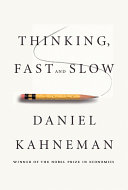
Thinking, Fast and Slow
Daniel Kahneman
19 min
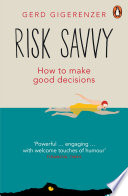
Risk Savvy
Gerd Gigerenzer
How To Make Good Decisions
19 min
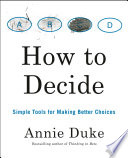
How to Decide
Annie Duke
Simple Tools for Making Better Choices
21 min
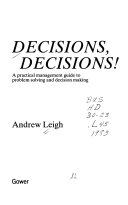
Decisions, Decisions!
Andrew Leigh
A Practical Management Guide to Problem Solving and Decision Making
21 min
The Intelligence Trap
David Robson
Why Smart People Make Stupid Mistakes - and how to Make Wiser Decisions
20 min
Noise
Daniel Kahneman, Olivier Sibony
A Flaw in Human Judgment
20 min
Mindf*ck
Christopher Wylie
Cambridge Analytica and the Plot to Break America
19 min
Effective Decision Making (REV ED)
John Adair
The Essential Guide to Thinking for Management Success
23 min
The One Decision
Judith Wright
Make the Single Choice That Will Lead to a Life of More
18 min
Predictably Irrational
Dan Ariely
The Hidden Forces That Shape Our Decisions
20 min
Doing the Right Things Right
Laura Stack
How the Effective Executive Spends Time
21 min
Decisive
Chip Heath, Dan Heath
How to make better choices in life and work
19 min
The Influential Mind
Tali Sharot
What the Brain Reveals About Our Power to Change Others
21 min
The Practical Decision Maker
David C. Gustafson, Deanna K. Keuilian, Shari L. Fox, Sharon M. Corkrum, Thomas R. Harvey
A Handbook for Decision Making and Problem Solving
21 min

About the Authors

Dale Griffin

Dale Griffin is a professional known for his contributions in the fields of business and personal development. He has gained recognition for his insights into leadership, motivation, and organizational effectiveness. Griffin's work often emphasizes the importance of personal growth and the development of effective strategies for success in both personal and professional contexts.

Throughout his career, Griffin has engaged with various audiences, sharing his expertise through workshops, seminars, and written materials. His approach typically combines practical advice with motivational elements, aiming to inspire individuals to reach their full potential. He is often associated with themes of resilience, goal-setting, and the importance of a positive mindset in achieving success.

While specific details about his educational background and career milestones are not widely documented, Griffin's influence is evident in the communities he engages with, where he is regarded as a thought leader in personal and professional development. His work continues to resonate with individuals seeking to enhance their skills and achieve their aspirations.

Daniel Kahneman

Daniel Kahneman is a renowned psychologist and Nobel laureate, widely recognized for his groundbreaking work in the fields of psychology and behavioral economics. Born in Israel, Kahneman's research has significantly influenced our understanding of human judgment and decision-making processes. He is best known for his development of the concept of "prospect theory," which describes how people make choices in situations involving risk and uncertainty.

Kahneman's work challenges the traditional economic assumption that individuals act rationally when making decisions. Instead, he highlights the cognitive biases and heuristics that often lead to irrational behavior. His insights have profound implications not only in economics but also in various fields such as public policy, healthcare, and finance.

In addition to his academic contributions, Kahneman is the author of the bestselling book "Thinking, Fast and Slow," which synthesizes decades of research on cognitive psychology and behavioral economics. The book has garnered widespread acclaim and has been translated into numerous languages, making his ideas accessible to a broader audience.

Throughout his career, Kahneman has held various academic positions and has been affiliated with several prestigious institutions. His work has earned him numerous accolades, including the Nobel Prize in Economic Sciences, which he received for his pioneering contributions to the understanding of human decision-making.

Kahneman continues to be a prominent figure in discussions about psychology and economics, influencing both scholars and practitioners in understanding the complexities of human behavior.

Thomas Gilovich

Thomas Gilovich is a prominent psychologist known for his work in the fields of social psychology and behavioral economics. He is particularly recognized for his research on human judgment and decision-making, as well as the psychology of happiness and well-being. Gilovich has contributed significantly to the understanding of how people perceive their experiences and make choices, often focusing on the impact of social influences on these processes.

One of his notable areas of study is the concept of the "experience over material goods" perspective, which suggests that people derive more lasting satisfaction from experiences rather than possessions. This idea has resonated widely, influencing both academic discourse and popular thought regarding happiness and fulfillment.

Gilovich has authored and co-authored several influential publications, including books and scholarly articles that explore various aspects of human behavior. His work often emphasizes the importance of understanding cognitive biases and the ways in which they affect our decisions and perceptions.

In addition to his research, Gilovich has been involved in teaching and mentoring students in psychology, sharing his insights and fostering a deeper understanding of the complexities of human behavior. His contributions to the field have made him a respected figure among both academics and practitioners interested in the psychological underpinnings of decision-making and well-being.
Heuristics and Biases FAQs

How long does it take to read Heuristics and Biases?

The reading time for Heuristics and Biases depends on the reader's pace. However, this concise book summary covers the 7 key ideas from Heuristics and Biases, allowing you to quickly understand the main concepts, insights, and practical applications in around 23 min.

Is Heuristics and Biases a good book? Is it worth reading?

Heuristics and Biases is definitely worth reading. The book covers essential topics including Cognitive Heuristics, Systematic Biases, Framing Effects, providing practical insights and actionable advice. Whether you read the full book or our concise summary, Heuristics and Biases delivers valuable knowledge that can help you improve your understanding and apply these concepts in your personal or professional life.

Who is the author of Heuristics and Biases?

Heuristics and Biases was written by Dale Griffin, Daniel Kahneman, Thomas Gilovich.

What to read after Heuristics and Biases?

If you enjoyed Heuristics and Biases by Dale Griffin, Daniel Kahneman, Thomas Gilovich and want to explore similar topics or deepen your understanding, we highly recommend these related book summaries:

  • Judgment Under Uncertainty by Amos Tversky, Daniel Kahneman, Paul Slovic
  • Thinking, Fast and Slow by Daniel Kahneman
  • Risk Savvy by Gerd Gigerenzer
  • How to Decide by Annie Duke
  • Decisions, Decisions! by Andrew Leigh

These books cover related themes, complementary concepts, and will help you build upon the knowledge gained from Heuristics and Biases. Each of these summaries provides concise insights that can further enhance your understanding and practical application of the ideas presented in Heuristics and Biases.