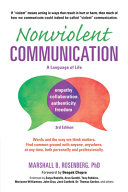
Book cover Nonviolent Communication
Select an audio
0:00
Intro - Nonviolent Communication --:--
1. The Four Components of Nonviolent Communication --:--
2. The Importance of Empathy --:--
3. The Role of Self-Empathy --:--
4. Transforming Conflict into Connection --:--
5. The Power of Language --:--
6. Practical Applications of NVC --:--
7. The Journey of Learning NVC --:--

Nonviolent Communication

Marshall B. Rosenberg

A Language of Life

22 min

Summary

Nonviolent Communication (NVC), developed by Marshall Rosenberg, is a powerful approach to fostering compassionate and effective communication. The book outlines a framework that encourages individuals to connect with their own feelings and needs and those of others. At its core, NVC emphasizes the importance of empathy, both for oneself and for others. By cultivating self-awareness and understanding, individuals can express their needs authentically and engage in meaningful dialogue. The four components of NVC—Observations, Feelings, Needs, and Requests—serve as a guide for navigating conversations, especially in times of conflict. By focusing on these components, individuals can transform adversarial interactions into opportunities for connection and collaboration.

A significant aspect of NVC is the role of empathy, which allows individuals to listen deeply and understand the perspectives of others. This practice not only de-escalates conflicts but also builds trust and fosters a sense of safety in communication. Furthermore, self-empathy is crucial for emotional regulation and self-awareness, enabling individuals to respond thoughtfully rather than reactively.

The book also highlights the power of language in shaping our interactions. By using language that expresses feelings and needs rather than judgments, individuals can create a more constructive dialogue. This shift in language can reduce defensiveness and promote open communication.

Practical applications of NVC extend to various aspects of life, including personal relationships, workplaces, education, and community engagement. NVC fosters a culture of empathy and respect, creating environments where individuals feel heard and valued. Ultimately, the journey of learning NVC is one of growth and transformation, requiring practice and commitment. As individuals integrate these principles into their lives, they often experience improved relationships and a deeper sense of connection with themselves and others. Nonviolent Communication is not just a communication technique; it is a way of life that promotes understanding and compassion in a world that often feels divided.

The Four Components of Nonviolent Communication

Nonviolent Communication (NVC) is structured around four key components: Observations, Feelings, Needs, and Requests. The first component, Observations, encourages individuals to separate their observations from evaluations or judgments. This allows for a clearer understanding of situations without the influence of bias. The second component, Feelings, emphasizes the importance of expressing one's emotions honestly. It is essential to articulate how we feel in response to our observations. The third component, Needs, focuses on the underlying needs that drive our feelings. By identifying and expressing our needs, we can foster deeper connections with others. Lastly, the Requests component encourages us to make clear and specific requests rather than demands. This promotes cooperation and mutual respect. Together, these components form a framework for effective communication that fosters understanding and empathy.

Continue reading
Nonviolent Communication is a profound approach to interpersonal communication that revolves around four essential components: Observations, Feelings, Needs, and Requests. Each of these components plays a crucial role in fostering a more empathetic and understanding dialogue between individuals, and they are designed to help individuals express themselves in a way that promotes connection rather than conflict.

Observations serve as the foundation of this communication framework. When we make observations, we are encouraged to report what we see or hear without adding any interpretations or judgments. This means distinguishing between objective facts and subjective evaluations. For instance, instead of saying "You are always late," which carries an evaluative tone, one might say, "I noticed you arrived 30 minutes after our agreed meeting time." By focusing solely on observable actions, we reduce the likelihood of triggering defensiveness in the other person and create a space for open dialogue. This clarity allows both parties to engage with the situation at hand without the clutter of emotional bias.

Feelings are the second component and are vital for authentic communication. This aspect emphasizes the importance of recognizing and expressing our emotions in response to our observations. It encourages individuals to articulate their feelings without blaming others for them. For example, instead of saying, "I feel ignored when you don’t respond to my messages," one could express, "I feel anxious and unimportant when my messages go unanswered." This shift not only communicates the speaker's emotional state but also invites the listener to engage with those feelings empathetically. By sharing our feelings honestly, we foster an environment where emotional expression is valued, leading to deeper understanding and connection.

The third component, Needs, delves into the fundamental human needs that underlie our feelings. Often, our emotions are signals indicating that a particular need is being met or unmet. For instance, if someone feels frustrated, it might be because their need for respect or acknowledgment is not being fulfilled. By identifying and expressing these needs, individuals can communicate more effectively about what is truly important to them. This recognition helps to bridge the gap between people, as it highlights shared human experiences and desires. When we articulate our needs clearly, we open the door to finding mutually satisfying solutions and foster a sense of community and support.

Finally, the Requests component encourages individuals to make clear and specific requests rather than demands. This distinction is crucial, as requests invite cooperation and collaboration, whereas demands can lead to resistance and conflict. A well-formed request is specific, achievable, and framed positively. For example, instead of saying, "You need to help me more," one might say, "Would you be willing to help me with the project this weekend?" This approach not only respects the autonomy of the other person but also clarifies what is being sought, making it easier for them to respond positively. By framing requests in this manner, the likelihood of a successful and cooperative interaction increases significantly.

In summary, the four components of Nonviolent Communication—Observations, Feelings, Needs, and Requests—create a comprehensive framework for effective and empathetic communication. By focusing on these elements, individuals can express themselves more clearly, understand others better, and cultivate deeper connections. This approach not only enhances personal relationships but also contributes to a more compassionate and understanding society as a whole.

The Importance of Empathy

Empathy is a cornerstone of Nonviolent Communication. It involves the ability to listen and understand the feelings and needs of others without judgment. Empathy fosters connection and creates a safe space for open dialogue. In NVC, empathy is not merely about agreeing with someone but about deeply understanding their perspective. This practice encourages individuals to reflect back what they hear, validating the other person's feelings and needs. By practicing empathy, we can de-escalate conflicts, build trust, and create a collaborative atmosphere. It also helps individuals feel heard and valued, which is essential for healthy relationships, whether personal or professional.

Continue reading
Empathy serves as a foundational element in the framework of Nonviolent Communication, playing a crucial role in how individuals interact and relate to one another. It goes beyond the superficial act of listening; it requires a genuine commitment to understanding the emotions and underlying needs of others without attaching any form of judgment or criticism. This deep, compassionate listening fosters an environment where individuals feel safe to express themselves openly, knowing that they will be met with understanding rather than dismissal or disagreement.

The practice of empathy is not about simply agreeing with someone or mirroring their feelings. Instead, it requires an active effort to grasp their perspective fully. This involves tuning in to the emotional signals being communicated, whether verbally or non-verbally, and recognizing the needs that drive those emotions. By doing so, one can provide a reflective response that acknowledges and validates the other person's feelings and needs. This reflection can take the form of paraphrasing what has been said, summarizing key points, or expressing understanding of the emotions involved. Such responses help the speaker feel heard and valued, which is essential for fostering trust and connection.

Engaging in empathetic communication can significantly de-escalate conflicts. When individuals feel understood, they are less likely to react defensively and more likely to engage constructively. Empathy allows for a shift in focus from adversarial positions to a shared exploration of needs and feelings, cultivating a collaborative atmosphere where solutions can be co-created. This approach is particularly beneficial in both personal relationships and professional settings, where misunderstandings can easily arise and lead to tension.

Moreover, the practice of empathy contributes to the development of healthy relationships. When people feel that their emotions and needs are acknowledged, it enhances their sense of self-worth and belonging. This validation is crucial for emotional well-being and can lead to stronger bonds between individuals. In essence, empathy acts as a bridge that connects people, fostering a deeper understanding of one another's experiences and perspectives. By prioritizing empathy in our interactions, we not only improve our communication skills but also enrich our relationships, creating a more compassionate and harmonious environment for everyone involved.

The Role of Self-Empathy

Self-empathy is the practice of turning our attention inward to recognize and understand our own feelings and needs. In Nonviolent Communication, self-empathy is crucial for self-awareness and emotional regulation. By acknowledging our own emotions and needs, we can communicate more authentically and effectively with others. Self-empathy allows us to respond to situations thoughtfully rather than reactively. It helps us identify what we truly need in a given moment, which can lead to more constructive interactions. Engaging in self-empathy can also reduce feelings of frustration and resentment, enabling us to approach conflicts with a clearer mind and a compassionate heart.

Continue reading
Self-empathy plays a vital role in fostering a deeper understanding of ourselves, which is essential for effective communication with others. It involves a conscious effort to turn our attention inward, allowing us to recognize and understand our own feelings and needs. This practice is not merely a passive reflection; rather, it is an active engagement with our inner emotional landscape. By acknowledging our feelings—whether they are joy, sadness, anger, or confusion—we cultivate a heightened sense of self-awareness that informs our interactions with the world around us.

When we practice self-empathy, we create a space for ourselves to explore what we are experiencing without judgment. This exploration includes recognizing the underlying needs that drive our emotions. For instance, if we feel angry, self-empathy encourages us to ask ourselves what need is not being met—perhaps it is a need for respect, understanding, or safety. By identifying these needs, we gain clarity on our emotional responses, which allows us to communicate more authentically and effectively with others.

The ability to respond thoughtfully rather than reactively is a significant benefit of self-empathy. In moments of conflict or tension, it is easy to fall into a reactive mode where emotions can cloud our judgment. However, when we take the time to engage in self-empathy, we create a buffer that allows us to process our feelings before responding. This thoughtful approach can lead to more constructive interactions, as we are better equipped to express our needs and feelings without resorting to blame or criticism.

Moreover, self-empathy acts as a powerful tool for emotional regulation. By understanding our own emotions and needs, we can manage our responses more effectively. This reduces the likelihood of feelings such as frustration and resentment bubbling to the surface, which can often escalate conflicts. Instead, when we approach situations with a clearer mind and a compassionate heart, we are more likely to engage in open and honest dialogue. This not only benefits our own emotional well-being but also fosters a more empathetic connection with others.

Engaging in self-empathy can also lead to personal growth. As we become more attuned to our own needs, we develop a greater sense of agency in our lives. We learn to advocate for ourselves in a way that is respectful and constructive, which can enhance our relationships and overall quality of life. This practice encourages us to take responsibility for our feelings and reactions, empowering us to create the change we wish to see in our interactions.

In summary, self-empathy is a foundational practice that enhances self-awareness, emotional regulation, and the quality of our communication. By recognizing and understanding our own feelings and needs, we not only improve our ability to connect with others but also cultivate a more compassionate relationship with ourselves. This inward journey ultimately leads to more meaningful and constructive interactions in our lives.

Transforming Conflict into Connection

One of the primary goals of Nonviolent Communication is to transform conflict into connection. Conflicts often arise from unmet needs and misunderstandings. NVC provides tools to identify and articulate these needs, paving the way for resolution. By focusing on feelings and needs rather than blame or criticism, individuals can engage in constructive dialogue. This approach shifts the focus from adversarial positions to collaborative problem-solving. It encourages participants to view conflicts as opportunities for growth and understanding. When both parties are willing to express their needs and listen empathetically, conflicts can lead to stronger relationships and deeper connections.

Continue reading
Transforming conflict into connection is a fundamental aspect of effective communication that emphasizes the importance of understanding and empathy in resolving disputes. Conflicts often emerge when individuals feel that their needs are not being met, which can lead to feelings of frustration, anger, or resentment. These emotions can cloud judgment and lead to a breakdown in communication, resulting in a cycle of blame and defensiveness.

The approach encourages individuals to step back from adversarial positions and recognize that behind every conflict lies a deeper layer of unmet needs. By fostering an awareness of these needs, individuals can begin to articulate their feelings and desires in a way that is constructive rather than accusatory. This shift in perspective is crucial; instead of pointing fingers or assigning blame, the focus is redirected towards understanding the underlying emotions and needs that are driving the conflict.

Engaging in this process requires a commitment to active listening and empathy. Each party must be willing to express their own needs honestly while also being open to hearing and validating the needs of the other person. This two-way communication creates a safe space where both individuals can share their perspectives without fear of judgment or retaliation. As a result, the dialogue becomes more about collaboration than competition, allowing for a more productive exploration of potential solutions.

Furthermore, this approach reframes conflicts as opportunities for growth and deeper understanding. Instead of viewing disagreements as threats to relationships, they can be seen as chances to strengthen bonds and build trust. When individuals engage in this kind of meaningful dialogue, they often discover common ground and shared values that can serve as a foundation for resolving their differences.

Ultimately, transforming conflict into connection is about fostering relationships that are rooted in mutual respect and understanding. By prioritizing feelings and needs over blame and criticism, individuals can cultivate a more compassionate and cooperative environment. This not only helps to resolve the immediate conflict but also lays the groundwork for healthier interactions in the future, leading to stronger, more resilient relationships.

The Power of Language

Language plays a critical role in Nonviolent Communication. The words we choose can either foster connection or create division. NVC encourages individuals to use language that expresses feelings and needs rather than judgments or demands. This shift in language can significantly impact how messages are received. For instance, using 'I' statements instead of 'you' statements can reduce defensiveness and promote open dialogue. Additionally, reframing language to focus on positive actions rather than negative behaviors can create a more constructive conversation. By being mindful of our language, we can facilitate more meaningful connections and reduce misunderstandings.

Continue reading
Language serves as a powerful tool in shaping our interactions and relationships with others, and its significance is particularly pronounced in the context of Nonviolent Communication. The way we articulate our thoughts, feelings, and needs can either build bridges of understanding or erect barriers that lead to conflict. This approach emphasizes that the words we choose have profound implications on how our messages are perceived and how we connect with others.

At the heart of this communication style is the idea that expressing oneself through feelings and needs rather than judgments or demands can transform conversations. When we frame our thoughts in terms of personal experiences—using "I" statements instead of "you" statements—we take ownership of our feelings and reduce the likelihood of the other person becoming defensive. For example, rather than saying "You never listen to me," which can come across as an accusation, one might say, "I feel unheard when I share my thoughts." This subtle shift not only softens the message but also invites the listener to engage in a more constructive dialogue, as it focuses on the speaker's experience rather than placing blame.

Moreover, reframing language to highlight positive actions instead of negative behaviors can significantly alter the tone of a conversation. By focusing on what we would like to see happen rather than what we want to avoid, we create a more collaborative atmosphere. For instance, instead of saying, "Don't interrupt me," we might express, "I would appreciate it if you could let me finish my thoughts." This approach not only clarifies our needs but also encourages the other person to respond positively, fostering a sense of partnership rather than opposition.

Being mindful of the language we use is essential for facilitating meaningful connections. It requires us to reflect on our habitual ways of speaking and to consciously choose words that promote understanding and empathy. This mindfulness can lead to deeper insights into our own needs and feelings, as well as those of others, paving the way for more authentic exchanges.

In essence, the power of language in this context is about more than just the words themselves; it encompasses the intention behind them and the emotional resonance they carry. By cultivating a language of compassion and understanding, we can navigate our interactions with greater awareness, leading to reduced misunderstandings and enriched relationships. This conscious approach to communication encourages us to connect on a human level, recognizing our shared needs and fostering a sense of community and support.

Practical Applications of NVC

Nonviolent Communication is not just a theoretical framework; it has practical applications in various areas of life. NVC can be applied in personal relationships, workplaces, educational settings, and community interactions. In personal relationships, it can enhance intimacy and understanding between partners. In the workplace, it can improve team dynamics, conflict resolution, and overall communication. In educational settings, NVC can foster a culture of empathy and respect among students and teachers. The principles of NVC can also be applied in community activism and social change efforts, promoting peaceful dialogue and collaboration. By integrating NVC into daily life, individuals can create a more compassionate and understanding environment.

Continue reading
The concept of practical applications of nonviolent communication extends far beyond mere theory; it serves as a transformative tool that can be utilized across a multitude of life domains. In personal relationships, for instance, the principles of nonviolent communication are instrumental in deepening intimacy and fostering a profound understanding between partners. By encouraging individuals to express their feelings and needs without blame or criticism, it allows for a more authentic connection. This approach cultivates an atmosphere where both parties feel safe to share their vulnerabilities, leading to enhanced emotional closeness and trust.

In the workplace, the application of nonviolent communication can lead to significant improvements in team dynamics. Traditional communication often involves misunderstandings and conflicts, which can hinder productivity and morale. By implementing the practices of nonviolent communication, team members learn to express their thoughts and feelings constructively, focusing on mutual understanding rather than defensiveness. This shift not only facilitates conflict resolution but also promotes a culture of collaboration and respect. Employees are encouraged to listen actively and empathically, which can lead to more innovative solutions and a more harmonious work environment.

Educational settings are another fertile ground for the principles of nonviolent communication. When educators and students engage in nonviolent communication, it fosters a culture of empathy and respect. Teachers can model these principles by expressing their needs and feelings clearly and encouraging students to do the same. This practice not only enhances the learning environment but also equips students with essential life skills, such as emotional intelligence and effective communication. As students learn to articulate their feelings and needs, they become more engaged and responsible members of the classroom community.

Moreover, the principles of nonviolent communication extend into community interactions and activism. In a world often fraught with division and conflict, applying nonviolent communication can facilitate peaceful dialogue and collaboration among diverse groups. By promoting understanding and empathy, individuals can work together more effectively toward common goals, whether in social justice movements, community development, or environmental initiatives. This approach encourages a shift from adversarial interactions to cooperative engagement, allowing for a more constructive and inclusive dialogue.

In essence, integrating nonviolent communication into daily life has the potential to create a more compassionate and understanding environment. It empowers individuals to express themselves authentically while also fostering a culture of empathy and respect. By embracing these principles in various aspects of life, people can contribute to building a society where communication is rooted in understanding rather than conflict, creating a ripple effect that enhances relationships, workplaces, educational institutions, and communities at large. The practical applications of nonviolent communication serve as a guiding framework for individuals seeking to cultivate deeper connections and promote a more peaceful coexistence in their interactions with others.

The Journey of Learning NVC

Learning Nonviolent Communication is a journey that requires practice and commitment. It involves unlearning ingrained habits of communication that may be rooted in judgment, blame, or criticism. The process of adopting NVC principles takes time, as individuals must cultivate self-awareness, empathy, and the ability to express needs effectively. It is important to approach this journey with patience and an open mind. Engaging in workshops, practice groups, or reading resources on NVC can facilitate this learning process. As individuals become more proficient in NVC, they often find that their relationships improve, conflicts diminish, and they experience a greater sense of connection with themselves and others.

Continue reading
Learning Nonviolent Communication is not merely a skill to be acquired but rather a profound journey that necessitates both practice and a steadfast commitment to personal growth. This journey is characterized by the need to unlearn deeply ingrained habits of communication that are often rooted in patterns of judgment, blame, or criticism. These habits have typically been formed over many years and can be so ingrained that they become almost automatic responses in various interactions.

At the heart of this journey is the cultivation of self-awareness. This means developing an understanding of one's own feelings, needs, and the underlying motivations that drive behavior. Self-awareness is crucial because it lays the foundation for recognizing how one’s communication style can impact others and how it can create barriers to connection. By becoming more attuned to our own emotional states, we can begin to understand what we truly need and how to articulate those needs without resorting to language that might provoke defensiveness or conflict.

Empathy is another essential component of this learning process. It involves not only understanding one's own feelings and needs but also being able to tune into the feelings and needs of others. This empathetic connection fosters a greater sense of compassion and understanding, which can transform the nature of interactions. When individuals practice empathy, they begin to see others not as adversaries or obstacles but as fellow human beings with their own struggles and desires. This shift in perspective can lead to more meaningful and constructive conversations.

Expressing needs effectively is a skill that requires practice. It involves articulating what one wants or needs in a way that is clear and non-threatening. This can be challenging, especially for those accustomed to expressing needs through demands or complaints. Learning to communicate needs in a way that invites collaboration rather than resistance is a key aspect of Nonviolent Communication. It encourages individuals to frame their requests in positive language that focuses on what they would like to see happen rather than what they want to avoid.

Approaching this journey with patience and an open mind is vital. Change does not happen overnight; it is a gradual process that requires ongoing effort and reflection. Engaging in workshops, practice groups, or accessing various resources dedicated to Nonviolent Communication can significantly enhance this learning experience. These environments provide opportunities for individuals to practice their skills in a supportive setting, receive feedback, and learn from others who are also on the same path.

As individuals become more proficient in the principles of Nonviolent Communication, they often notice significant improvements in their relationships. Conflicts that once seemed insurmountable may begin to diminish as communication becomes clearer and more compassionate. The ability to connect authentically with oneself and others fosters a greater sense of belonging and community. Ultimately, this journey leads to a deeper understanding of oneself and a more harmonious relationship with the world, creating a ripple effect that can positively influence those around us.

Who Should Read This Book?

This book is targeted at anyone looking to improve their communication skills, enhance their relationships, and foster a greater sense of empathy in their interactions. It is particularly beneficial for individuals in roles such as educators, therapists, mediators, managers, and community leaders. Additionally, anyone interested in personal growth and conflict resolution will find valuable insights in this book. Whether you are seeking to navigate difficult conversations, improve your emotional intelligence, or create a more compassionate environment in your life, Nonviolent Communication offers practical tools and strategies to achieve these goals.

Summaries like Nonviolent Communication

Why Can't We Talk?
John Backman
Christian Wisdom on Dialogue as a Habit of the Heart
20 min
If I Understood You, Would I Have This Look on My Face?
Alan Alda
My Adventures in the Art and Science of Relating and Communicating
21 min
Verbal Judo
George J. Thompson, PhD
The Gentle Art of Persuasion
21 min
Missing Each Other
Ashley Pallathra, Edward Brodkin
How to Cultivate Meaningful Connections
21 min
The Art of Communicating
Thich Nhat Hanh
20 min
Conversations Worth Having
Cheri Torres, David L. Cooperrider, Jacqueline M. Stavros
Using Appreciative Inquiry to Fuel Productive and Meaningful Engagement
21 min
We Need to Talk
Ian Williamson
A Straight-Talking Guide to Raising Resilient Teens
20 min
The Ultimate Introduction to NLP: How to build a successful life
Alessio Roberti, Owen Fitzpatrick, Richard Bandler
22 min
Listen Like You Mean It
Ximena Vengoechea
Reclaiming the Lost Art of True Connection
20 min
Habits of a Peacemaker
Steven T Collis
10 Habits to Change Our Potentially Toxic Conversations Into Healthy Dialogues
21 min
Negotiating for Success
George Siedel
Essential Strategies and Skills
21 min
Mindreader
David J. Lieberman, PhD
The New Science of Deciphering What People Really Think, What They Really Want, and Who They Really Are
19 min
How to Say Anything to Anyone
Shari Harley
A Guide to Building Business Relationships That Really Work
20 min
Read the Face
Elisa Petrini, Eric Standop
Face Reading for Success in Your Career, Relationships, and Health
20 min

About the Author

Marshall B. Rosenberg

Marshall B. Rosenberg was an American psychologist and the founder of Nonviolent Communication (NVC), a communication process that emphasizes compassion and understanding in interpersonal interactions. He developed NVC as a means to foster connection and resolve conflicts peacefully, drawing on his background in psychology and his experiences in various social contexts.

Rosenberg's work was influenced by his early experiences and his commitment to social justice. He believed that effective communication could lead to greater empathy and understanding among individuals, which could, in turn, contribute to a more peaceful society. His teachings have been applied in various fields, including education, healthcare, and conflict resolution, and he conducted workshops and training sessions worldwide.

In addition to his work in communication, Rosenberg authored several books that outline the principles of Nonviolent Communication, providing readers with practical tools for improving their interactions and relationships. His approach encourages individuals to express their needs and feelings honestly while also listening to the needs of others.

Rosenberg's legacy continues through the ongoing practice of Nonviolent Communication, which remains a valuable resource for those seeking to enhance their communication skills and foster more harmonious relationships. His contributions to the field of psychology and interpersonal communication have had a lasting impact on individuals and communities around the globe.

Nonviolent Communication FAQs

How long does it take to read Nonviolent Communication?

The reading time for Nonviolent Communication depends on the reader's pace. However, this concise book summary covers the 7 key ideas from Nonviolent Communication, allowing you to quickly understand the main concepts, insights, and practical applications in around 22 min.

Is Nonviolent Communication a good book? Is it worth reading?

Nonviolent Communication is definitely worth reading. The book covers essential topics including The Four Components of Nonviolent Communication, The Importance of Empathy, The Role of Self-Empathy, providing practical insights and actionable advice. Whether you read the full book or our concise summary, Nonviolent Communication delivers valuable knowledge that can help you improve your understanding and apply these concepts in your personal or professional life.

Who is the author of Nonviolent Communication?

Nonviolent Communication was written by Marshall B. Rosenberg.

What to read after Nonviolent Communication?

If you enjoyed Nonviolent Communication by Marshall B. Rosenberg and want to explore similar topics or deepen your understanding, we highly recommend these related book summaries:

  • Why Can't We Talk? by John Backman
  • If I Understood You, Would I Have This Look on My Face? by Alan Alda
  • Verbal Judo by George J. Thompson, PhD
  • Missing Each Other by Ashley Pallathra, Edward Brodkin
  • The Art of Communicating by Thich Nhat Hanh

These books cover related themes, complementary concepts, and will help you build upon the knowledge gained from Nonviolent Communication. Each of these summaries provides concise insights that can further enhance your understanding and practical application of the ideas presented in Nonviolent Communication.