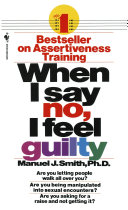
Book cover When I Say No, I Feel Guilty
Select an audio
0:00
Intro - When I Say No, I Feel Guilty --:--
1. Understanding Guilt --:--
2. The Importance of Assertiveness --:--
3. Setting Boundaries --:--
4. Overcoming Fear of Rejection --:--
5. The Role of Self-Esteem --:--
6. Effective Communication Skills --:--
7. Practical Exercises and Scenarios --:--

When I Say No, I Feel Guilty

Manuel J. Smith

22 min
Summary

When I Say No, I Feel Guilty is a transformative guide that addresses the emotional and psychological barriers that prevent individuals from asserting themselves and saying 'no.' The authors, Manuel J. Smith and a team o...

Continue reading
When I Say No, I Feel Guilty is a transformative guide that addresses the emotional and psychological barriers that prevent individuals from asserting themselves and saying 'no.' The authors, Manuel J. Smith and a team of psychologists, delve into the complex emotions surrounding guilt, fear of rejection, and low self-esteem, providing readers with practical tools to navigate these challenges. The book's central premise is that many people struggle with the inability to say 'no,' often due to a deep-rooted fear of disappointing others or facing rejection. This inability can lead to a cycle of people-pleasing behavior, resulting in stress, burnout, and resentment.

Throughout the book, the authors emphasize the importance of understanding guilt and its origins. They differentiate between healthy guilt, which can motivate personal growth, and unhealthy guilt, which often stems from societal expectations and pressures. By recognizing the sources of their guilt, readers can begin to dismantle the barriers that prevent them from asserting their needs.

Assertiveness is highlighted as a critical skill for effective communication and personal empowerment. The authors provide practical techniques for developing assertiveness, such as using 'I' statements and maintaining eye contact. They stress that being assertive is not synonymous with being aggressive; instead, it involves respectful self-expression. The book also covers the significance of setting boundaries in various aspects of life, emphasizing that boundaries are essential for self-care and mental well-being.

The authors address the fear of rejection, which often underlies the reluctance to say 'no.' They provide strategies for overcoming this fear, encouraging readers to practice self-compassion and view rejection as a normal part of life. By building self-esteem and confidence, individuals can become more comfortable asserting their needs and desires.

Effective communication skills are also a focal point of the book. The authors offer practical tips for improving communication, including active listening and clear expression of thoughts. They emphasize the importance of empathy in communication, encouraging readers to consider others' perspectives while still prioritizing their own needs.

The book is filled with practical exercises and real-life scenarios that help readers apply the concepts discussed. These tools encourage self-reflection and provide opportunities for practicing assertiveness in a safe environment. By engaging with these exercises, readers can build their confidence and develop a personalized approach to boundary-setting and communication.

Ultimately, When I Say No, I Feel Guilty serves as a comprehensive guide for individuals seeking to reclaim their voice and assert their needs. It empowers readers to recognize their worth, set healthy boundaries, and communicate effectively, leading to more fulfilling relationships and a greater sense of self-empowerment.

Understanding Guilt

Guilt is a complex emotion that can stem from various sources, including societal expectations, personal values, and interpersonal relationships. The book delves into the psychology of guilt, explaining how it can be a b...

Continue reading
Guilt is a multifaceted emotion that can arise from a variety of influences, including societal norms, personal ethics, and the dynamics of our relationships with others. The exploration of guilt within the context of assertiveness reveals its dual nature, showcasing how it can either empower or hinder individuals in their pursuit of self-advocacy.

The text emphasizes that guilt is not inherently negative; in fact, there exists a form of guilt that can serve as a catalyst for positive behavior. This healthy guilt encourages individuals to reflect on their actions and consider the impact they have on others, motivating them to make amends or engage in more thoughtful behaviors. For instance, if someone feels guilty for not being there for a friend in need, this feeling may spur them to be more supportive in the future, thus fostering stronger relationships and personal growth.

Conversely, unhealthy guilt can become a significant obstacle. This type of guilt often arises from external pressures, such as cultural expectations or the desire to meet the approval of others, rather than from a genuine sense of personal failure. It can lead to self-sabotage, where an individual feels compelled to overextend themselves, agree to unreasonable demands, or neglect their own needs in favor of others. This pattern not only diminishes their sense of agency but can also result in resentment and burnout.

The authors of the text advocate for a deeper understanding of the origins and triggers of guilt. They urge readers to engage in introspection, asking themselves whether their feelings of guilt are justified or if they stem from unrealistic societal standards or the expectations imposed by others. By dissecting these emotions, individuals can begin to identify the guilt that is constructive and that which is detrimental, thus empowering them to break free from the guilt-trap that often inhibits their ability to assert themselves.

This process of recognition and differentiation is crucial. It allows individuals to reclaim their right to say 'no' without the burden of guilt weighing heavily on their conscience. By fostering this awareness, individuals can learn to prioritize their own needs and boundaries, ultimately leading to healthier relationships and a more balanced personal life. Understanding guilt in this nuanced manner equips individuals with the tools necessary to navigate their emotional landscape, enabling them to act in accordance with their values and assert their needs confidently.

The Importance of Assertiveness

Assertiveness is a crucial skill for effective communication and personal empowerment. The book emphasizes that being assertive does not mean being aggressive; rather, it involves expressing one's thoughts, feelings, and...

Continue reading
Assertiveness is portrayed as a fundamental skill that plays a pivotal role in fostering effective communication and enhancing personal empowerment. The narrative clarifies that being assertive is not synonymous with being aggressive; instead, it is about articulating one's thoughts, feelings, and needs in a manner that is respectful to oneself and to others. This distinction is crucial because many individuals conflate assertiveness with rudeness or hostility, which can lead to misunderstandings and reinforce negative communication patterns.

The text delves into practical strategies for cultivating assertiveness, emphasizing the importance of using "I" statements. This technique encourages individuals to express their feelings and needs from their own perspective, thereby reducing the likelihood of the other person becoming defensive. For example, saying "I feel overwhelmed when my ideas are dismissed" rather than "You never listen to me" shifts the focus from blaming to sharing personal feelings, which can lead to more constructive conversations.

Maintaining eye contact is highlighted as another essential component of assertive communication. Eye contact conveys confidence and engagement, signaling to the listener that the speaker is sincere and committed to the conversation. This non-verbal cue can significantly enhance the effectiveness of the message being conveyed.

Additionally, practicing active listening is presented as a vital aspect of assertiveness. Active listening involves fully concentrating on what the other person is saying, rather than simply waiting for one's turn to respond. This practice not only demonstrates respect for the other person's viewpoint but also fosters a more collaborative dialogue. By acknowledging the other person's feelings and perspectives, individuals can create an environment where open communication thrives.

The exploration of assertiveness extends beyond individual interactions; the text examines its benefits across various contexts, including professional settings, family dynamics, and social situations. In the workplace, assertiveness can lead to clearer communication, reduced misunderstandings, and a more positive work environment. Within families, it can help establish healthier boundaries and improve relationships by allowing individuals to express their needs without fear of conflict. Socially, assertiveness can enhance friendships and social interactions by promoting honesty and mutual respect.

Ultimately, the narrative encourages readers to view assertiveness as a means of fostering mutual respect and understanding. By mastering this skill, individuals not only empower themselves but also contribute to creating a culture of open communication and healthy relationships. The emphasis is placed on practice and gradual improvement, suggesting that assertiveness is a skill that can be developed over time with conscious effort and commitment.

Setting Boundaries

Setting boundaries is essential for maintaining mental health and well-being. The book outlines how boundaries help individuals define their limits and protect their personal space. It discusses the different types of bo...

Continue reading
Setting boundaries is a fundamental aspect of maintaining one's mental health and overall well-being. The discussion emphasizes that boundaries are not merely rules or restrictions; they are vital tools that help individuals define their personal limits and protect their emotional and physical space.

The text delves into the various types of boundaries that exist, categorizing them into physical, emotional, and time-related boundaries. Physical boundaries pertain to personal space and touch, establishing how close others can get and what kind of physical interaction is acceptable. Emotional boundaries focus on how much of one's emotional energy is shared with others, protecting individuals from being overwhelmed by others' emotions or taking on responsibilities that are not theirs to bear. Time-related boundaries involve managing one's time and commitments, ensuring that individuals allocate time for themselves amidst the demands of work and social obligations.

The discussion further explores strategies for effectively establishing and communicating these boundaries. It highlights the importance of clarity in communication, suggesting that individuals should express their needs and limits straightforwardly and assertively. This involves not only stating what is acceptable but also what is not, thereby providing others with a clear understanding of one’s boundaries. The narrative reinforces the idea that setting boundaries is an act of self-care rather than a selfish endeavor. It is framed as a necessary practice that allows individuals to prioritize their own needs, ultimately leading to a healthier and more balanced life.

Moreover, the text acknowledges the challenges associated with boundary-setting. In many cultures or environments, there is often a strong emphasis on compliance, conformity, and the importance of being agreeable. This societal pressure can make it difficult for individuals to assert their boundaries without feeling guilty or selfish. The discussion provides insights into how to navigate these challenges, suggesting that individuals can practice boundary-setting in small steps and gradually build their confidence. It encourages readers to recognize that feeling guilty when saying ‘no’ is a common experience, and it is important to challenge these feelings by understanding that one’s needs are valid and deserving of respect.

Ultimately, the exploration of setting boundaries serves as a reminder that it is essential for individuals to take charge of their own lives by defining what is acceptable for them. By learning to say ‘no’ when necessary, individuals can prevent burnout, reduce stress, and cultivate healthier relationships, both with themselves and with others. The overall message is one of empowerment, urging individuals to embrace their right to set limits and to understand that doing so is a crucial step toward self-advocacy and personal growth.

Overcoming Fear of Rejection

The fear of rejection often holds people back from expressing their true feelings and needs. The book discusses the psychological underpinnings of this fear and how it can lead to people-pleasing behaviors. The authors p...

Continue reading
The fear of rejection is a deeply ingrained psychological response that can significantly impact an individual's ability to express their feelings and assert their needs. This fear often stems from early experiences in life where social acceptance was paramount, leading to a conditioning that associates saying "no" with potential social isolation or disapproval. Such conditioning can manifest in various ways, including people-pleasing behaviors, where individuals prioritize the needs and desires of others over their own, often at the cost of their well-being.

The discussion surrounding this fear delves into its psychological underpinnings, highlighting how it can lead to a cycle of anxiety and avoidance. When faced with the possibility of rejection, many individuals may choose to remain silent or acquiesce to others' demands, believing that this is the safer route to maintain relationships. However, this pattern can create a sense of resentment and frustration, as individuals may feel that their own needs are consistently overlooked.

To combat this fear, the text introduces several strategies aimed at reframing the perception of rejection. One key approach is to understand that rejection is a universal experience; everyone encounters it at some point in their lives. By normalizing this experience, individuals can begin to lessen the emotional weight they attach to it. The authors encourage readers to view rejection not as a personal failure but as a natural part of interpersonal dynamics, which can provide valuable feedback and opportunities for growth.

Another vital aspect of overcoming the fear of rejection involves cultivating self-compassion. This means treating oneself with kindness and understanding when facing the discomfort of potential rejection. Individuals are encouraged to recognize that their worth is not contingent upon the approval of others and that asserting oneself is a healthy and necessary component of any relationship. Practicing self-compassion can help individuals to build resilience against the fear of rejection, allowing them to approach situations with a more balanced perspective.

Additionally, the text emphasizes the importance of gradually confronting the fear of rejection through practice. This might involve starting with small situations where individuals can assert their needs or opinions without facing significant consequences. As they experience positive outcomes from these interactions, their confidence in saying "no" can grow, reinforcing the idea that they can stand up for themselves without jeopardizing their relationships.

Ultimately, managing the fear of rejection is portrayed as a critical step toward fostering healthier relationships. By learning to express their needs and set boundaries, individuals can create a more authentic and balanced dynamic with others. This not only enhances their self-esteem but also encourages mutual respect in relationships, as partners learn to appreciate and respond to each other's needs more effectively. Through this process, individuals can transition from a place of fear and compliance to one of empowerment and assertiveness, leading to more fulfilling interactions in both personal and professional spheres.

The Role of Self-Esteem

Self-esteem plays a significant role in an individual's ability to assert themselves and say 'no.' The book explores the connection between self-worth and assertiveness, highlighting how low self-esteem can lead to a ten...

Continue reading
Self-esteem is a foundational element that significantly influences an individual's capacity to assert themselves in various situations, particularly when it comes to saying 'no' to requests or demands from others. The relationship between self-worth and assertiveness is complex and deeply intertwined. When individuals possess low self-esteem, they often feel inadequate or unworthy, which can lead them to prioritize others' needs and desires over their own. This tendency to acquiesce can stem from a fear of rejection, a desire for approval, or a belief that their own needs are less important than those of others.

The exploration of self-esteem in this context emphasizes that it is not merely about feeling good or having confidence; rather, it is about recognizing one's intrinsic value as a person. The text delves into the idea that self-esteem is built on a foundation of self-acceptance, self-awareness, and self-respect. Individuals are encouraged to engage in reflective exercises that help them identify their personal strengths and qualities that make them unique. This process often involves acknowledging past achievements, no matter how small, and celebrating these milestones as a means of reinforcing a positive self-image.

Another critical aspect discussed is the challenge of negative self-talk, which can be pervasive in individuals with low self-esteem. The narrative encourages readers to become aware of their internal dialogue and to actively challenge and reframe negative thoughts. For example, instead of thinking, "I can't say no; they will be upset with me," individuals are guided to replace this thought with a more empowering perspective, such as, "My needs are valid, and it's okay to prioritize them."

Building self-esteem is depicted as a gradual process that requires intentional effort and practice. As individuals work on enhancing their self-esteem, they often find that they become more comfortable asserting their needs and desires. This newfound assertiveness is not just about saying 'no' but also about setting boundaries and communicating effectively with others. The text illustrates that as self-esteem increases, individuals are more likely to engage in healthy relationships, where mutual respect and understanding are prioritized.

Ultimately, the journey toward improving self-esteem is portrayed as essential for personal growth and fulfillment. By fostering a stronger sense of self, individuals empower themselves to navigate life's challenges with confidence, make choices that align with their values, and cultivate a life that reflects their true desires and aspirations. This holistic approach to self-esteem not only benefits the individual but also positively impacts their interactions and relationships with others, leading to a more balanced and satisfying life.

Effective Communication Skills

Effective communication is a cornerstone of assertiveness. The book offers practical tips for improving communication skills, including active listening, clear expression of thoughts, and nonverbal communication cues. Th...

Continue reading
Effective communication serves as a fundamental pillar of assertiveness, which is crucial for establishing healthy boundaries and expressing one's needs without guilt or fear. The text delves into various practical strategies that individuals can adopt to enhance their communication skills, starting with the concept of active listening. This involves fully engaging with the speaker, demonstrating attentiveness through verbal affirmations and nonverbal cues such as nodding or maintaining eye contact. Active listening fosters an environment where both parties feel heard and respected, thereby reducing the likelihood of misunderstandings.

In addition to listening, the ability to clearly articulate one’s thoughts and feelings is emphasized as vital. The text suggests that individuals practice expressing their needs in a straightforward manner, using "I" statements to convey personal feelings and desires without placing blame or creating defensiveness in others. For example, instead of saying, "You never listen to me," one might say, "I feel overlooked when my opinions aren’t considered." This shift not only clarifies the speaker's perspective but also invites dialogue rather than conflict.

Nonverbal communication cues also play a significant role in effective communication. The text explains that body language, facial expressions, and tone of voice can convey messages just as powerfully as spoken words. Being aware of these nonverbal signals can help individuals align their verbal messages with their physical demeanor, creating a more coherent and persuasive communication style. For instance, maintaining an open posture and a calm tone can reinforce the assertiveness of one’s message, making it more likely to be received positively.

Moreover, the importance of empathy in communication is highlighted, encouraging readers to consider the perspectives and feelings of others while still advocating for their own needs. Empathy does not mean sacrificing one’s own boundaries; rather, it involves recognizing and validating the emotions of others, which can lead to more constructive conversations. By practicing empathy, individuals can create a collaborative atmosphere where both parties feel valued, which can ultimately enhance mutual understanding and respect.

The text also points out that ambiguity in communication can lead to confusion and resentment. When individuals fail to clearly express their needs or boundaries, it can create a breeding ground for misunderstandings. This often results in frustration for both parties, as unvoiced expectations may go unmet. Therefore, the authors advocate for clear and direct communication to mitigate these risks. By being explicit about one’s needs and boundaries, individuals can prevent the buildup of resentment and foster healthier interactions.

By honing these communication skills, individuals can cultivate more fulfilling relationships, both personally and professionally. The ability to assertively express oneself without guilt can lead to greater self-esteem and confidence, allowing individuals to navigate social situations with ease. Ultimately, effective communication is portrayed as a transformative tool that not only enhances personal interactions but also contributes to a more satisfying and empowered life.

Practical Exercises and Scenarios

The book is rich with practical exercises and real-life scenarios that help readers apply the concepts discussed. These exercises encourage self-reflection and provide opportunities for practicing assertiveness in a safe...

Continue reading
The content is imbued with a variety of practical exercises and real-life scenarios designed to facilitate the application of the concepts presented throughout the text. These exercises serve as a foundation for readers to engage in self-reflection, which is crucial for understanding their own feelings and behaviors regarding assertiveness and the act of saying 'no.'

One of the core components of these practical tools is role-playing scenarios. These scenarios allow readers to step into different situations where they might typically struggle to assert themselves. By simulating these interactions, individuals can practice their responses in a controlled setting, which diminishes anxiety and prepares them for real-life applications. This method not only helps in building confidence but also aids in recognizing the various dynamics at play in interpersonal communications.

Additionally, journaling prompts are included to encourage deeper introspection. These prompts guide readers to explore their feelings of guilt and resistance associated with saying 'no.' Through writing, individuals can articulate their thoughts and emotions, making it easier to identify patterns in their behavior. This reflective practice helps to clarify what boundaries they need to establish and why they might feel uncomfortable doing so.

Guided discussions are another vital element of the exercises. These discussions can take place in group settings or with a trusted friend, providing a platform for sharing experiences and strategies. Engaging with others allows readers to hear different perspectives, which can be enlightening and validating. It also fosters a sense of community, where individuals realize they are not alone in their struggles with assertiveness.

The culmination of these practical tools equips readers with a personalized approach to boundary-setting and communication. By actively participating in these exercises, individuals can experiment with different ways of asserting themselves, ultimately leading to a more empowered and confident self. This process is not merely about learning to say 'no,' but about understanding the importance of one's own needs and the value of maintaining healthy boundaries in relationships. Through consistent practice and reflection, readers can transform their relationship with guilt and develop a more assertive, authentic way of interacting with the world around them.

Who Should Read This Book?

This book is ideal for anyone struggling with assertiveness, particularly those who frequently feel guilty about saying 'no.' It is especially beneficial for individuals who identify as people-pleasers, those with low self-esteem, or anyone looking to improve their communication skills and set healthier boundaries in their personal and professional lives.

Summaries like When I Say No, I Feel Guilty

The Power of A Positive No
William Ury
17 min
Boundaries
Henry Cloud, John Sims Townsend, John Townsend
When to Say Yes, when to Say No to Take Control of Your Life
22 min
Just Listen
Mark Goulston
Discover the Secret to Getting Through to Absolutely Anyone
21 min
The Power of Body Language
Tonya Reiman
21 min
How to Hug a Porcupine
June Eding
Easy Ways to Love the Difficult People in Your Life
21 min
Ask for More
Alexandra Carter
10 Questions to Negotiate Anything
18 min
Powerful Phrases for Dealing with Difficult People
Renee Evenson
Over 325 Ready-to-Use Words and Phrases for Working with Challenging Personalities
20 min
Mindreader
David J. Lieberman, PhD
The New Science of Deciphering What People Really Think, What They Really Want, and Who They Really Are
19 min
The Influential Mind
Tali Sharot
What the Brain Reveals About Our Power to Change Others
21 min
The Resilient Self
Steven J. Wolin, Sybil Wolin
How Survivors of Troubled Families Rise Above Adversity
21 min
Missing Each Other
Ashley Pallathra, Edward Brodkin
How to Cultivate Meaningful Connections
21 min
Read the Face
Elisa Petrini, Eric Standop
Face Reading for Success in Your Career, Relationships, and Health
20 min
Why Can't We Talk?
John Backman
Christian Wisdom on Dialogue as a Habit of the Heart
20 min
The Power of Self-Confidence
Brian Tracy
Become Unstoppable, Irresistible, and Unafraid in Every Area of Your Life
21 min

About the Author

Manuel J. Smith

Manuel J. Smith is an American author and psychologist best known for his work in the fields of assertiveness training and personal development. He gained prominence with his influential book "When I Say No, I Feel Guilty," which focuses on teaching individuals how to assert themselves effectively while maintaining healthy relationships. Smith's approach combines psychological principles with practical strategies, empowering readers to overcome feelings of guilt and anxiety associated with saying no.

In addition to his writing, Smith has conducted workshops and seminars aimed at helping people improve their communication skills and self-esteem. His work emphasizes the importance of assertiveness as a key component of personal and professional success. Through his teachings, he has inspired many to take control of their lives and make choices that align with their values and needs.

Smith's contributions to the field of personal development have made a lasting impact, and he is recognized for his ability to connect with audiences on a personal level. His insights into human behavior and interpersonal dynamics continue to resonate with those seeking to enhance their assertiveness and overall well-being.

When I Say No, I Feel Guilty FAQs

How long does it take to read When I Say No, I Feel Guilty?

The reading time for When I Say No, I Feel Guilty depends on the reader's pace. However, this concise book summary covers the 7 key ideas from When I Say No, I Feel Guilty, allowing you to quickly understand the main concepts, insights, and practical applications in around 22 min.

Is When I Say No, I Feel Guilty a good book? Is it worth reading?

When I Say No, I Feel Guilty is definitely worth reading. The book covers essential topics including Understanding Guilt, The Importance of Assertiveness, Setting Boundaries, providing practical insights and actionable advice. Whether you read the full book or our concise summary, When I Say No, I Feel Guilty delivers valuable knowledge that can help you improve your understanding and apply these concepts in your personal or professional life.

Who is the author of When I Say No, I Feel Guilty?

When I Say No, I Feel Guilty was written by Manuel J. Smith.

What to read after When I Say No, I Feel Guilty?

If you enjoyed When I Say No, I Feel Guilty by Manuel J. Smith and want to explore similar topics or deepen your understanding, we highly recommend these related book summaries:

  • The Power of A Positive No by William Ury
  • Boundaries by Henry Cloud, John Sims Townsend, John Townsend
  • Just Listen by Mark Goulston
  • The Power of Body Language by Tonya Reiman
  • How to Hug a Porcupine by June Eding

These books cover related themes, complementary concepts, and will help you build upon the knowledge gained from When I Say No, I Feel Guilty. Each of these summaries provides concise insights that can further enhance your understanding and practical application of the ideas presented in When I Say No, I Feel Guilty.