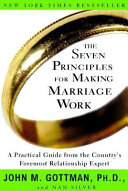
Book cover The Seven Principles for Making Marriage Work
Select an audio
0:00
Intro - The Seven Principles for Making Marriage Work --:--
1. Build Love Maps --:--
2. Nurture Your Fondness and Admiration --:--
3. Turn Toward Each Other Instead of Away --:--
4. Let Your Partner Influence You --:--
5. Solve Your Solvable Problems --:--
6. Overcome Gridlock --:--
7. Create Shared Meaning --:--

The Seven Principles for Making Marriage Work

John Mordechai Gottman, Nan Silver

21 min

Summary

The Seven Principles for Making Marriage Work by John Gottman is a comprehensive guide based on extensive research into what makes marriages succeed or fail. The book presents seven key principles that couples can adopt ...

Continue reading
The Seven Principles for Making Marriage Work by John Gottman is a comprehensive guide based on extensive research into what makes marriages succeed or fail. The book presents seven key principles that couples can adopt to enhance their relationships and foster lasting love. Gottman, a renowned psychologist and relationship expert, draws on decades of observational studies and empirical data to provide insights into the dynamics of successful marriages.

The first principle, 'Build Love Maps,' emphasizes the importance of knowing your partner deeply. This means understanding their inner world, including their dreams, fears, and life experiences. Couples who have a strong foundation of love maps are better equipped to support each other and navigate conflicts. The second principle, 'Nurture Your Fondness and Admiration,' involves recognizing and appreciating each other’s positive traits. This practice fosters a culture of respect and affection, which is crucial for maintaining a healthy relationship.

The third principle, 'Turn Toward Each Other Instead of Away,' focuses on the importance of responding positively to your partner’s bids for connection. Small moments of engagement can significantly strengthen the emotional bond between partners. The fourth principle, 'Let Your Partner Influence You,' highlights the need for mutual respect and shared decision-making in a relationship. Couples who value each other’s opinions are more likely to have a harmonious partnership.

The fifth principle, 'Solve Your Solvable Problems,' provides strategies for addressing conflicts in a constructive manner. Gottman encourages couples to communicate effectively and use conflict resolution techniques to prevent disagreements from escalating. The sixth principle, 'Overcome Gridlock,' addresses perpetual problems that couples face. By exploring the underlying dreams and values associated with these issues, partners can find ways to honor each other’s needs and make compromises.

Finally, the seventh principle, 'Create Shared Meaning,' emphasizes the importance of developing a shared sense of purpose and identity in the relationship. By fostering common goals and values, couples can build a deeper emotional connection and navigate challenges together.

Overall, the book serves as a practical guide for couples seeking to strengthen their marriages. It combines research-based insights with actionable strategies, making it accessible and applicable to a wide range of relationships. Gottman’s work emphasizes that while conflicts are inevitable in any marriage, the way couples approach these conflicts can make all the difference in the health and longevity of their relationship.

The book is not only for couples in crisis but also for those who want to enhance their relationship and build a stronger foundation for the future. It is a valuable resource for anyone looking to deepen their understanding of marriage dynamics and improve their partnership, making it a must-read for engaged couples, newlyweds, and long-term partners alike.

Build Love Maps

At the core of a successful marriage is the concept of love maps, which refers to the detailed knowledge about your partner’s world. This includes understanding their dreams, fears, values, and history. The more you know...

Continue reading
At the heart of a thriving relationship lies the concept of love maps, which serves as a fundamental framework for understanding and connecting with your partner. Love maps encompass a comprehensive and intimate knowledge of your partner’s inner world, including their aspirations, fears, values, and personal history. This depth of understanding is crucial because it lays the groundwork for emotional intimacy and mutual support within the relationship.

When partners actively cultivate their love maps, they engage in a process of discovery that allows them to learn about each other’s experiences, dreams, and challenges. This involves more than just surface-level inquiries; it requires a genuine curiosity and commitment to understanding what makes your partner tick. Regular check-ins can be an effective way to keep the love maps updated, as they provide opportunities for meaningful conversations that delve into both the mundane and significant aspects of life.

Open-ended questions are particularly powerful tools in this process. They encourage dialogue that goes beyond simple yes or no answers, inviting partners to share their thoughts and feelings in a more expansive way. For instance, asking questions like "What are your biggest dreams for the future?" or "What challenges have shaped your views on relationships?" can reveal layers of insight that strengthen the emotional connection between partners.

Moreover, being genuinely interested in your partner’s life is not just about asking questions; it also involves active listening and empathy. When one partner shares their experiences, the other should engage fully, showing that their thoughts and feelings are valued. This kind of attentiveness fosters a safe space where both partners feel heard and understood, which is essential for navigating conflicts and maintaining intimacy.

The importance of love maps extends to conflict resolution as well. When couples possess a rich understanding of each other, they are better equipped to address disagreements constructively. They can approach conflicts with compassion and a desire to find solutions that honor both partners' perspectives. This shared knowledge acts as a buffer during tough times, helping partners to remember their love for one another and the reasons they chose to be together in the first place.

In essence, building love maps is about creating a shared foundation that nurtures emotional connection and resilience in the relationship. It requires ongoing effort and intentionality, as partners continuously learn and grow together. By prioritizing this aspect of their relationship, couples can cultivate a deeper sense of intimacy, ensuring that their partnership remains strong and fulfilling over time.

Nurture Your Fondness and Admiration

Fondness and admiration are essential for a lasting relationship. This principle emphasizes the importance of recognizing and appreciating your partner's positive qualities. When couples focus on what they admire about e...

Continue reading
Fondness and admiration serve as the cornerstones of a healthy and enduring relationship, acting as a buffer against the inevitable challenges that couples face. This principle underscores the necessity of actively recognizing and celebrating the positive aspects of one's partner. It is not merely about acknowledging these qualities in passing; rather, it involves a deliberate and conscious effort to appreciate and highlight the traits that initially attracted partners to one another.

When couples cultivate a culture of respect and affection, they create an environment where love can flourish. This process begins with each partner making a conscious choice to focus on the positive attributes of the other, rather than allowing negative experiences or conflicts to overshadow their perceptions. This shift in focus can lead to a more balanced view of the relationship, where appreciation becomes a regular practice rather than a rare occurrence.

Expressing gratitude is a vital component of nurturing fondness and admiration. Regularly voicing appreciation for the small and large things that partners do fosters a sense of connection and belonging. This practice not only enhances the emotional bond but also serves to counteract any negative feelings that may surface during disagreements. When partners feel valued and recognized, they are more likely to approach conflicts with a collaborative mindset rather than a combative one.

Moreover, fostering an atmosphere of fondness and admiration can significantly alter the way couples navigate their relationship. It encourages them to engage in positive interactions, which can help to build a reservoir of goodwill. This reservoir becomes crucial in times of stress or conflict, as it provides a cushion that can help partners weather storms together.

In essence, nurturing fondness and admiration is about creating a positive perspective within the relationship. It is a proactive approach that requires effort and intention but pays dividends in the form of a stronger, more resilient partnership. By consistently acknowledging and cherishing each other's qualities, couples can maintain a deep emotional connection, even when facing life's inevitable challenges. This principle highlights the importance of love as an active choice, where partners commit to seeing the best in each other and fostering an enduring sense of appreciation and respect.

Turn Toward Each Other Instead of Away

The way couples respond to each other’s bids for attention, affection, and support can significantly impact their relationship. Turning toward your partner means acknowledging their bids and responding positively, while ...

Continue reading
The concept of turning toward each other instead of away is fundamentally about the daily interactions that couples have and how these interactions shape the overall health of their relationship. When one partner makes a bid for attention, affection, or support, it can take many forms—whether it's a simple comment, a request for help, or a need for emotional connection. The way the other partner responds to these bids can either strengthen or weaken the relationship.

Turning toward your partner means actively acknowledging and engaging with these bids. This can be as straightforward as making eye contact when your partner is speaking, responding to their questions, or showing interest in their day. It involves being present in the moment and demonstrating that you value what your partner is communicating. Such responses can include verbal affirmations, physical touch, or even just a nod of understanding. These small acts of connection build a foundation of trust and intimacy over time, reinforcing the bond between partners.

On the other hand, turning away from your partner involves ignoring or dismissing their bids. This can manifest as not responding to a question, changing the subject, or being preoccupied with other tasks. When this happens repeatedly, it can create a sense of disconnection and isolation within the relationship. Partners may begin to feel undervalued or unimportant, leading to resentment and emotional distance. Over time, these missed opportunities for connection can accumulate and contribute to larger issues within the marriage.

The principle emphasizes that it is often the little moments of connection that matter most. Consistently turning toward each other creates a positive cycle of interaction that fosters a deeper emotional connection. Couples who engage in these small, everyday moments of acknowledgment and support are better equipped to handle larger conflicts when they arise. The ability to turn toward each other during challenging times can serve as a buffer, allowing couples to navigate difficulties with a stronger sense of partnership.

Being present and engaged in each other's lives is crucial. It means not only listening and responding but also being attuned to your partner's emotional state and needs. This active engagement cultivates a safe space where both partners feel valued and understood. In essence, turning toward each other is about nurturing the emotional climate of the relationship, ensuring that both partners feel connected, supported, and cherished on a daily basis. This principle underscores the idea that a strong relationship is built not just on grand gestures, but on the consistent, small acts of love and attention that occur every day.

Let Your Partner Influence You

In a healthy marriage, both partners have a say and influence over decisions. This principle emphasizes the importance of mutual respect and shared power in a relationship. Couples who allow each other to influence their...

Continue reading
In a thriving partnership, the ability of each individual to influence the other is a cornerstone of a healthy relationship. This principle underscores the significance of mutual respect, where both partners are not only heard but also valued in their contributions to the relationship. When partners allow each other to have a say in decisions, it fosters an environment of shared power, which is essential for creating a balanced dynamic.

This principle advocates for active listening, where each partner genuinely pays attention to the other's opinions and feelings. It’s not merely about hearing words but truly understanding the underlying emotions and thoughts that shape those words. By doing so, partners can appreciate the perspectives that each brings to the table, which can lead to more thoughtful and informed decision-making.

Moreover, the act of considering each other’s feelings is paramount. Emotional intelligence plays a critical role in relationships; recognizing when a partner feels strongly about an issue can lead to greater empathy and understanding. This emotional attunement allows partners to navigate conflicts more effectively, as they can approach disagreements with compassion rather than defensiveness.

Compromise is another vital aspect of this principle. It’s not about one partner always yielding to the other but finding a middle ground where both individuals feel their needs are met. This collaborative approach to decision-making not only strengthens the bond between partners but also cultivates a sense of teamwork. When couples work together to find solutions, they reinforce their commitment to one another and build a foundation of trust.

Additionally, acknowledging that both partners possess valuable insights is crucial. Each individual comes into the relationship with unique experiences and knowledge that can enrich the partnership. By embracing this diversity of thought, couples can innovate and create solutions that may not have been apparent if only one person's perspective was considered.

Ultimately, allowing each partner to influence the other leads to better outcomes for the relationship as a whole. It creates a culture of collaboration, where both individuals feel empowered and supported. This dynamic not only enhances the decision-making process but also deepens the emotional connection between partners, making the relationship more resilient in the face of challenges.

Solve Your Solvable Problems

Not all marital conflicts are resolvable, but some are. This principle focuses on identifying and addressing solvable problems in a constructive manner. Couples are encouraged to use effective communication strategies, s...

Continue reading
In the context of marital relationships, it is essential to recognize that not every conflict can be resolved; however, many conflicts are indeed solvable. This principle emphasizes the importance of distinguishing between solvable and perpetual problems. Solvable problems are often specific, concrete issues that can be addressed through dialogue and compromise, while perpetual problems tend to be rooted in deeper differences in values or personality traits that may not easily change.

To effectively tackle solvable problems, couples are encouraged to engage in constructive communication. This begins with softening the startup of conversations. Instead of launching into a conflict with accusations or criticisms, partners should approach discussions with a gentle tone and an open mindset. This sets a positive tone for the interaction and helps prevent defensiveness from arising.

Additionally, making repair attempts is a crucial aspect of conflict resolution. Repair attempts are efforts made by one partner to de-escalate tension during a disagreement. This could involve humor, expressing empathy, or simply acknowledging the other person’s feelings. Recognizing and responding to these repair attempts can significantly improve the chances of resolving conflicts amicably.

Self-soothing is another vital strategy that couples should employ during conflicts. It involves taking a step back to calm oneself before continuing the discussion. When emotions run high, it can be challenging to think clearly and communicate effectively. By practicing self-soothing techniques, such as deep breathing or taking a short break, individuals can return to the conversation with a clearer perspective and a more constructive attitude.

Focusing on manageable issues is key. Couples should prioritize addressing smaller, solvable problems rather than allowing them to fester into larger issues. By resolving these smaller conflicts, partners can build a sense of teamwork and collaboration, reinforcing their bond and preventing minor disagreements from escalating into major disputes.

Ultimately, this principle encourages couples to view conflict not merely as a source of stress but as an opportunity for growth and understanding. When approached with the right mindset and strategies, conflicts can lead to deeper intimacy and a stronger partnership. The ability to work through solvable problems together fosters resilience in the relationship and cultivates a shared sense of purpose in overcoming challenges.

Overcome Gridlock

Gridlock occurs when couples encounter perpetual problems that seem unsolvable. This principle encourages partners to understand the underlying dreams and values that fuel these conflicts. By exploring these deeper issue...

Continue reading
Gridlock is a situation that many couples face, characterized by recurring conflicts that seem impossible to resolve. These issues often stem from deeper, underlying dreams and values that each partner holds dear, which may not be immediately apparent during surface-level discussions. The principle of overcoming gridlock emphasizes the importance of delving into these underlying aspects of each partner’s life to understand the root causes of their disagreements.

When couples find themselves in a gridlocked situation, it typically means that they are caught in a cycle of argumentation about specific issues, such as finances, parenting styles, or personal goals, without ever reaching a resolution. This can lead to feelings of frustration, resentment, and helplessness. To break free from this cycle, it is essential for partners to engage in open and honest conversations about what truly matters to them. This involves exploring not just the surface-level disagreements but also the dreams and aspirations that lie beneath them.

For instance, if one partner desires to live in a bustling city while the other prefers a quiet rural life, the conflict may appear to be about location. However, the underlying dreams might relate to a desire for community, adventure, stability, or connection to nature. By identifying these deeper values, couples can begin to understand why they feel so strongly about their positions. This understanding fosters empathy, as partners can appreciate the motivations behind each other's preferences.

To effectively overcome gridlock, couples must approach these discussions with patience and a willingness to listen. It is crucial to create a safe space where both partners feel comfortable expressing their thoughts and feelings without fear of judgment or dismissal. This often requires active listening skills, where each partner not only hears the words of the other but also seeks to understand the emotions and dreams that those words convey.

Compromise becomes a key component in resolving gridlocked issues. Once the underlying dreams and values are identified, couples can work together to find solutions that honor both partners’ needs. This might mean finding a middle ground, where both partners can feel that their dreams are acknowledged and respected. It may also involve creative problem-solving, such as exploring alternative living arrangements that satisfy both the desire for city life and the need for tranquility.

Ultimately, overcoming gridlock is not just about resolving individual conflicts; it is about fostering greater emotional intimacy within the relationship. By engaging in these difficult conversations and addressing the underlying issues, couples can build a stronger connection and deepen their understanding of one another. This process not only helps to resolve specific conflicts but also contributes to a more fulfilling and satisfying partnership overall. The journey to overcoming gridlock is one of growth, requiring both partners to be committed to understanding each other’s dreams and working collaboratively to achieve a harmonious relationship.

Create Shared Meaning

Creating shared meaning involves developing a sense of purpose and common goals in the relationship. This principle encourages couples to explore their shared values, rituals, and dreams, which can strengthen their bond....

Continue reading
Creating shared meaning is a fundamental concept that revolves around the idea of establishing a profound sense of purpose and mutual goals within a relationship. This principle emphasizes the importance of couples engaging in meaningful conversations about their core values, beliefs, and dreams. When partners take the time to understand what truly matters to each other, they can cultivate a shared vision for their future, which serves as a guiding light during both the joyful and challenging moments of their journey together.

Exploring shared values is a critical aspect of this process. Couples are encouraged to identify and articulate what they hold dear—be it family, career aspirations, personal growth, or community involvement. By discussing these values openly, partners can align their actions and decisions, ensuring they are moving in the same direction. This alignment fosters a sense of unity and purpose, reinforcing the idea that they are not merely cohabiting but are actively building a life together that reflects their collective aspirations.

Rituals play a significant role in creating shared meaning as well. These can include regular date nights, family traditions, or even simple daily routines that couples establish together. Rituals provide a sense of stability and predictability, and they can become touchstones in a relationship. They allow couples to create memories and strengthen their bond, reinforcing their identity as a team. When partners invest in rituals, they signal to each other that they value their time together and are committed to nurturing their relationship.

Dreams and aspirations are equally important in this context. Couples are encouraged to dream together, envisioning their future and setting goals that excite them both. This could range from planning a family to embarking on travel adventures or pursuing shared hobbies. By engaging in this process, partners not only enhance their emotional connection but also create a sense of accountability to one another. They become each other's cheerleaders, supporting and motivating one another to achieve their individual and collective dreams.

Ultimately, creating shared meaning is about fostering a deep emotional connection and a sense of belonging. It invites couples to reflect on their journey together, acknowledging their past experiences while looking forward to their future. By building a life that resonates with both partners' values and aspirations, they can navigate challenges more effectively, as they have a strong foundation to lean on. This principle underscores the idea that a fulfilling partnership is not just about coexisting but about thriving together, with a shared identity that enhances their relationship and enriches their lives.

Who Should Read This Book?

This book is ideal for couples at any stage of their relationship, including those who are engaged, newly married, or have been together for many years. It is also beneficial for those experiencing challenges in their marriage, as well as individuals seeking to understand the dynamics of healthy relationships. Additionally, therapists and counselors may find the insights and strategies useful in their practice.

Summaries like The Seven Principles for Making Marriage Work

Getting the Love You Want
Harville Hendrix
A Guide for Couples
20 min
The Relationship Cure
Joan DeClaire, John Gottman, PhD
A 5 Step Guide to Strengthening Your Marriage, Family, and Friendships
19 min
Hold Me Tight
Sue Johnson
Seven Conversations for a Lifetime of Love
22 min
The 5 Love Languages
Gary Chapman
The Secret to Love That Lasts
21 min
Making Great Relationships
PhD, Rick Hanson
Simple Practices for Solving Conflicts, Building Connection, and Fostering Love
20 min
Beyond Getting By
Holly Trantham
The Financial Diet's Guide to Abundant and Intentional Living
21 min
Love Your Life Not Theirs
Rachel Cruze
7 Money Habits for Living the Life You Want
21 min
Missing Each Other
Ashley Pallathra, Edward Brodkin
How to Cultivate Meaningful Connections
21 min
At War with Ourselves
Michael Hirsh
Why America Is Squandering Its Chance to Build a Better World
18 min
The Joy of Missing Out
Tanya Dalton
Live More by Doing Less
19 min
The 15 Commitments of Conscious Leadership
Diana Chapman, Jim Dethmer, Kaley Klemp
A New Paradigm for Sustainable Success
19 min
Failure to Connect
Jane M. Healy
How Computers Affect Our Children's Minds--For Better and Worse
21 min
Find Your Why
David Mead, Peter Docker, Simon Sinek
A practical leadership book to bring purpose to your team from the multi-million copy bestselling author of Start With Why
19 min
Right Kind of Wrong
Amy C. Edmondson
The Science of Failing Well
19 min
5 Voices
Jeremie Kubicek, Steve Cockram
How to Communicate Effectively with Everyone You Lead
20 min

About the Authors

John Mordechai Gottman

John Mordechai Gottman is a prominent American psychologist and researcher, best known for his work on marital stability and relationship analysis. He co-founded the Gottman Institute, which focuses on providing research-based resources for couples and therapists to improve relationships. Gottman's research has significantly contributed to the understanding of the dynamics of relationships, particularly through his development of the "Four Horsemen" model, which identifies negative communication patterns that can predict relationship breakdowns.

Gottman has authored numerous books and articles on relationships, offering insights into the science of love and the factors that contribute to successful partnerships. His work emphasizes the importance of emotional intelligence, communication, and conflict resolution in maintaining healthy relationships. He is recognized for his innovative use of observational research methods, including the analysis of couples' interactions in a laboratory setting.

In addition to his research, Gottman is a sought-after speaker and educator, sharing his findings with both academic and general audiences. His contributions to the field of psychology have made him a leading figure in the study of relationships, and his work continues to influence therapists and couples seeking to enhance their connections. Through his teachings and writings, Gottman has helped many individuals and couples navigate the complexities of love and partnership.

Nan Silver

Nan Silver is a recognized figure in the fields of business and personal development. She is known for her work that often intersects with themes of leadership, innovation, and organizational effectiveness. Silver has contributed to various discussions on how individuals and organizations can adapt to changing environments and improve their operational strategies.

Her insights are frequently sought after in professional settings, where she shares her expertise on fostering effective communication and collaboration within teams. Silver's approach emphasizes the importance of emotional intelligence and resilience in navigating the complexities of modern business landscapes.

While specific details about her career trajectory and notable achievements may not be widely documented, her influence in the realms of business strategy and personal growth is acknowledged by peers and audiences alike. Through her work, Nan Silver continues to inspire individuals and organizations to pursue excellence and embrace transformative practices.

The Seven Principles for Making Marriage Work FAQs

How long does it take to read The Seven Principles for Making Marriage Work?

The reading time for The Seven Principles for Making Marriage Work depends on the reader's pace. However, this concise book summary covers the 7 key ideas from The Seven Principles for Making Marriage Work, allowing you to quickly understand the main concepts, insights, and practical applications in around 21 min.

Is The Seven Principles for Making Marriage Work a good book? Is it worth reading?

The Seven Principles for Making Marriage Work is definitely worth reading. The book covers essential topics including Build Love Maps, Nurture Your Fondness and Admiration, Turn Toward Each Other Instead of Away, providing practical insights and actionable advice. Whether you read the full book or our concise summary, The Seven Principles for Making Marriage Work delivers valuable knowledge that can help you improve your understanding and apply these concepts in your personal or professional life.

Who is the author of The Seven Principles for Making Marriage Work?

The Seven Principles for Making Marriage Work was written by John Mordechai Gottman, Nan Silver.

What to read after The Seven Principles for Making Marriage Work?

If you enjoyed The Seven Principles for Making Marriage Work by John Mordechai Gottman, Nan Silver and want to explore similar topics or deepen your understanding, we highly recommend these related book summaries:

  • Getting the Love You Want by Harville Hendrix
  • The Relationship Cure by Joan DeClaire, John Gottman, PhD
  • Hold Me Tight by Sue Johnson
  • The 5 Love Languages by Gary Chapman
  • Making Great Relationships by PhD, Rick Hanson

These books cover related themes, complementary concepts, and will help you build upon the knowledge gained from The Seven Principles for Making Marriage Work. Each of these summaries provides concise insights that can further enhance your understanding and practical application of the ideas presented in The Seven Principles for Making Marriage Work.