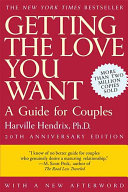
Book cover Getting the Love You Want
Select an audio
0:00
Intro - Getting the Love You Want --:--
1. Understanding the Unconscious Mind --:--
2. The Imago Relationship Theory --:--
3. The Importance of Dialogue --:--
4. Healing Childhood Wounds --:--
5. The Role of Conflict in Relationships --:--
6. Creating a Conscious Relationship --:--
7. The Power of Love and Connection --:--

Getting the Love You Want

Harville Hendrix

A Guide for Couples

22 min

Summary

In 'Getting the Love You Want' Harville Hendrix offers a comprehensive framework for understanding and improving romantic relationships. The book is rooted in the idea that our early childhood experiences shape our relat...

Continue reading
In 'Getting the Love You Want' Harville Hendrix offers a comprehensive framework for understanding and improving romantic relationships. The book is rooted in the idea that our early childhood experiences shape our relationship patterns, often leading us to unconsciously seek partners who reflect these experiences. This unconscious drive can result in repeating cycles of conflict and dissatisfaction in adult relationships. Hendrix introduces the Imago Relationship Theory, which posits that our relationships serve a deeper purpose: to heal the wounds of our past. By recognizing the Imago in our partner, couples can gain insight into their dynamics and motivations. Effective communication is emphasized as a cornerstone of healthy relationships, with specific dialogue techniques introduced to foster understanding and connection. Hendrix encourages couples to explore their childhood wounds and address them openly, emphasizing that healing is crucial for building a secure and loving relationship. Conflict is reframed as an opportunity for growth, with tools provided for navigating disagreements constructively. The concept of a 'conscious relationship' is introduced, where partners actively work together to create a nurturing and supportive environment. Ultimately, the book highlights the transformative power of love and connection, urging couples to take charge of their relationship and commit to ongoing growth and healing. Hendrix's insights and practical exercises provide couples with the tools they need to cultivate a fulfilling and resilient partnership.

Understanding the Unconscious Mind

One of the foundational concepts in 'Getting the Love You Want' is the idea that our unconscious mind plays a significant role in our romantic relationships. The author, Harville Hendrix, emphasizes that many of our rela...

Continue reading
One of the core principles discussed revolves around the profound influence of the unconscious mind on romantic relationships. The premise suggests that many of the dynamics we experience in our partnerships are not merely products of our conscious choices but are deeply rooted in the subconscious, shaped by our early childhood experiences. These formative years are crucial as they lay the groundwork for how we perceive love, intimacy, and connection.

As individuals navigate their relationships, they often find themselves unconsciously repeating patterns that mirror the emotional experiences they had as children. For instance, someone who experienced neglect might unconsciously gravitate towards partners who replicate that emotional unavailability, leading to a cycle of conflict and dissatisfaction. This repetition compulsion can create a sense of familiarity, even if it is not healthy or fulfilling. The emotional wounds from childhood can manifest in various ways, such as fear of abandonment, difficulty in trusting others, or an overwhelming need for control, all of which can hinder the ability to form a secure and loving bond with a partner.

The exploration of these unconscious motivations is essential for couples who wish to break free from destructive cycles. The text encourages partners to engage in self-reflection and to examine their past experiences to uncover the roots of their current relationship behaviors. This process often involves delving into personal histories, identifying key moments that shaped their emotional responses, and recognizing how these past experiences influence their interactions in the present.

To facilitate this exploration, the text provides a range of exercises and reflection prompts designed to guide couples in understanding their emotional triggers and habitual responses. These activities encourage open communication, allowing partners to share their insights and vulnerabilities with one another. By fostering a safe space for dialogue, couples can build empathy and compassion, which are critical for navigating the complexities of their differences.

As couples gain clarity on their unconscious patterns, they are better equipped to address conflicts constructively. This understanding not only helps in breaking the cycle of repeating past mistakes but also promotes healthier relationship dynamics. The journey of exploring the unconscious mind ultimately leads to greater awareness and intentionality in relationships, allowing partners to create a more nurturing and supportive environment where love can flourish. Through this process, couples can transform their relationships from a cycle of pain and misunderstanding into a partnership characterized by mutual respect, understanding, and deep emotional connection.

The Imago Relationship Theory

Hendrix introduces the Imago Relationship Theory, which posits that we are unconsciously drawn to partners who mirror the qualities of our primary caregivers. This theory suggests that our relationships serve a deeper pu...

Continue reading
The Imago Relationship Theory serves as a foundational concept that delves into the intricate dynamics of romantic relationships. At its core, this theory suggests that individuals are subconsciously attracted to partners who reflect the characteristics of their primary caregivers, such as parents or guardians. This attraction is not merely a matter of personal preference; rather, it is deeply rooted in our psychological development and emotional history.

The essence of the Imago is an internalized representation of the traits and qualities that we admire or seek in a partner, which are often derived from our early experiences with those who cared for us. These experiences shape our expectations and desires in relationships, leading us to gravitate towards individuals who embody similar attributes—both positive and negative. For instance, someone who experienced nurturing and support from a caregiver may seek a partner who exhibits those same qualities, while someone who faced neglect or criticism may unconsciously choose a partner who mirrors those challenging dynamics.

Understanding the Imago is crucial for couples as it sheds light on the underlying motivations and patterns that influence their interactions. When partners recognize and discuss their respective Imagos, they can uncover the deeper emotional needs and unresolved issues that may be impacting their relationship. This process involves introspection and vulnerability, as each partner must reflect on their past experiences and how these shape their current relationship dynamics.

By engaging in open dialogue about their Imagos, couples can foster a greater sense of empathy and understanding. This dialogue encourages partners to communicate their needs and desires more effectively, moving away from reactive behaviors that often lead to conflict. Instead of viewing disagreements as personal attacks, partners can learn to see them as opportunities for growth and healing.

Moreover, this understanding of the Imago can enhance emotional intimacy between partners. As they explore the traits and behaviors that resonate with their past experiences, they can develop a more profound connection, creating a safe space for both individuals to express their vulnerabilities. This emotional safety is essential for nurturing a healthy relationship, as it allows partners to feel seen and heard without fear of judgment.

Ultimately, the Imago Relationship Theory emphasizes that relationships are not just about romantic love; they serve a deeper purpose of personal growth and healing. By recognizing and addressing the wounds of the past through the lens of their Imagos, couples can embark on a journey toward greater understanding, compassion, and fulfillment in their relationship. This transformative process not only helps in resolving conflicts but also paves the way for a more meaningful and loving partnership.

The Importance of Dialogue

Effective communication is a cornerstone of healthy relationships, and Hendrix emphasizes the importance of dialogue in fostering understanding and connection between partners. The book introduces specific dialogue techn...

Continue reading
Effective communication is often heralded as the bedrock of healthy relationships, and within the context of nurturing romantic partnerships, the significance of dialogue cannot be overstated. The text delves into the intricacies of how couples can cultivate a deeper understanding and connection through structured communication techniques. Central to this exploration is the notion that dialogue transcends mere conversation; it is an intentional and mindful exchange that fosters emotional intimacy.

One of the pivotal techniques introduced is the 'Imago Dialogue,' a method designed to facilitate a more profound and empathetic connection between partners. This approach requires couples to engage in a turn-taking format where one partner speaks while the other listens attentively, without interruption. This structure is crucial as it creates a safe and respectful environment where both individuals feel heard and valued. The emphasis on active listening is paramount, as it encourages partners to fully absorb what the other is expressing, rather than merely waiting for their turn to respond. This practice not only validates each partner's feelings but also acknowledges their experiences, which can often be overlooked in typical conversations.

The safe space created by this dialogue method allows couples to delve into their emotions and needs without the fear of judgment or the escalation of conflict. It fosters an atmosphere of trust where vulnerability is welcomed, and both partners can express their innermost thoughts and feelings. This is particularly important in romantic relationships, where misunderstandings and emotional wounds can easily arise. By utilizing the structured dialogue techniques, couples can navigate these sensitive topics with care and compassion, leading to a more profound understanding of each other.

Moreover, the text provides practical exercises and real-life examples to help couples practice these dialogue techniques. These exercises are not merely theoretical; they are designed to be applied in everyday situations, allowing partners to integrate this form of communication into their daily lives. Through consistent practice, couples can learn to express their feelings and needs in ways that promote connection rather than conflict. The focus on dialogue highlights that communication is not simply about sharing information; it is about building and nurturing emotional bonds that enhance the relationship.

In essence, the exploration of dialogue within this context serves as a reminder that healthy communication is an ongoing process that requires effort, patience, and a willingness to engage deeply with one's partner. It challenges couples to move beyond surface-level interactions and to invest in the emotional labor necessary to truly understand one another, thereby enriching their relationship and fostering a lasting connection.

Healing Childhood Wounds

Hendrix emphasizes the importance of addressing and healing childhood wounds in order to cultivate a healthy and fulfilling relationship. Many individuals carry emotional scars from their upbringing, which can manifest i...

Continue reading
The concept of healing childhood wounds is pivotal in understanding the dynamics of adult relationships, as it addresses the profound impact that early life experiences have on emotional behavior and relational patterns. Many individuals carry unresolved emotional scars from their formative years, which can significantly influence how they interact with their partners. These childhood experiences may include trauma, neglect, or inconsistent parenting, leading to feelings of fear, insecurity, or abandonment in adulthood.

When individuals enter romantic relationships, they often unconsciously project these unresolved issues onto their partners, resulting in unhealthy attachment styles and communication patterns. For example, someone who experienced emotional neglect as a child may struggle with intimacy or fear of rejection in their adult relationships, leading to avoidance or excessive clinginess. This cycle can perpetuate misunderstandings and conflict, making it difficult for couples to establish a secure and nurturing bond.

To break this cycle, it is essential for partners to engage in a reflective process that involves exploring their childhood experiences. This exploration is not merely about recounting past events; it is about understanding how these experiences have shaped their emotional responses and expectations in relationships. By engaging in open discussions about their childhood wounds, couples can cultivate empathy and compassion for each other’s struggles, fostering a deeper emotional connection.

The process of healing involves several key elements. First, it requires individuals to acknowledge their wounds and the ways these have influenced their current behaviors and reactions. This acknowledgment can be daunting, as it often involves confronting painful memories and emotions. However, this step is crucial for personal growth and relationship development.

Once partners have identified their wounds, the next step is to communicate these feelings to one another in a safe and supportive environment. Open dialogue allows both partners to share their vulnerabilities and understand each other’s perspectives. This shared vulnerability can strengthen the bond between partners, as they come to realize that they are not alone in their struggles.

The author introduces various exercises and reflections designed to facilitate this healing process. These practices may include writing letters to one’s inner child, engaging in guided visualizations, or participating in structured dialogues that encourage honest expression of feelings. Such exercises help partners articulate their needs and fears, paving the way for constructive conversations that promote healing.

Moreover, the healing journey is not solely an individual endeavor; it is a collaborative process that requires commitment from both partners. By working together to address and heal their childhood wounds, couples can develop a more profound understanding of each other, leading to increased trust and emotional safety. This mutual support is vital for creating a relationship that is resilient against the challenges that arise from past traumas.

Ultimately, the aim of this healing process is to break free from negative patterns that hinder relationship growth. As couples learn to navigate their emotional landscapes and support each other in healing, they can cultivate a loving and secure partnership. This transformation not only enhances the quality of their relationship but also fosters a more fulfilling and harmonious connection, rooted in understanding, trust, and mutual respect.

The Role of Conflict in Relationships

Conflict is an inevitable part of any relationship, and Hendrix challenges the notion that conflict is inherently negative. Instead, he posits that conflict can be an opportunity for growth and understanding. The book en...

Continue reading
Conflict is an inherent aspect of any relationship, and the perspective on conflict presented in this work challenges the widespread belief that conflict is a purely negative force. It emphasizes that conflict should not be viewed solely as a destructive element but rather as a potential catalyst for personal and relational growth. The idea is that when couples encounter disagreements, they are presented with an opportunity to explore their differences, which can lead to a deeper understanding of one another and ultimately strengthen their bond.

The work encourages couples to reframe their approach to conflict, suggesting that instead of viewing disagreements as obstacles, they can be seen as moments of exploration. This shift in mindset is crucial; it allows partners to engage with each other’s viewpoints rather than retreating into their own defensive positions. When conflict arises, it can serve as a valuable chance to uncover underlying issues, clarify needs, and enhance emotional intimacy.

To navigate conflict constructively, the work provides practical tools and strategies that focus on fostering respectful communication. One of the key components is the practice of active listening, where each partner takes the time to truly hear and understand the other's perspective without immediately jumping to conclusions or formulating a response. This involves being fully present in the conversation, validating each other's feelings, and showing empathy. By doing so, partners can create a safe space where both individuals feel heard and valued, which is essential for meaningful dialogue.

Additionally, the work highlights common pitfalls that often derail conflict resolution efforts, such as defensiveness, stonewalling, and criticism. Defensiveness occurs when one partner feels attacked and responds with counterattacks, which can escalate the conflict rather than resolve it. Stonewalling, on the other hand, involves withdrawing from the conversation, effectively shutting down communication. The work offers strategies to recognize and overcome these barriers, emphasizing the importance of maintaining a calm and open demeanor during discussions.

By fostering a mindset of curiosity and a willingness to understand the other’s perspective, couples can transform disagreements into opportunities for connection and learning. This approach not only helps in resolving the immediate conflict but also contributes to building resilience within the relationship. As couples learn to face challenges together, they develop a stronger foundation of trust and intimacy, which can enhance their overall relationship satisfaction.

In summary, the exploration of conflict in relationships is framed as a vital component for growth and understanding. By adopting a constructive approach to conflict, couples can navigate their disagreements with a focus on connection, ultimately leading to a more resilient and fulfilling partnership. This perspective encourages ongoing dialogue and the continuous evolution of the relationship, reinforcing the idea that conflict, when handled well, can be a powerful tool for deepening love and commitment.

Creating a Conscious Relationship

Hendrix advocates for the idea of a 'conscious relationship,' where partners actively work together to create a loving and supportive environment. This involves intentional efforts to nurture the relationship and priorit...

Continue reading
The concept of cultivating a conscious relationship is central to the framework presented in the text. At its core, a conscious relationship is characterized by a deliberate and mindful approach to partnership, where both individuals actively engage in the process of building a loving and supportive environment. This goes beyond mere coexistence; it requires partners to be intentional about their interactions and to prioritize the emotional well-being of each other.

To foster such a relationship, partners are encouraged to engage in regular check-ins. These check-ins serve as dedicated moments where both individuals can discuss their feelings, needs, and any issues that may have arisen. This practice not only enhances communication but also reinforces the idea that both partners are invested in each other's emotional landscape. It creates a safe space for vulnerability and openness, allowing for a deeper understanding of one another.

Shared rituals are another important aspect of creating a conscious relationship. These can be simple yet meaningful practices that both partners commit to, such as weekly date nights, morning coffee together, or evening walks. These rituals help to establish a rhythm in the relationship, providing opportunities for connection and reinforcing the bond between partners. They serve as reminders of the commitment to nurture the relationship, creating moments of joy and intimacy that can counterbalance the stresses of daily life.

Intentional expressions of love and appreciation are also emphasized as vital components of a conscious relationship. This involves actively recognizing and acknowledging the efforts and qualities of one’s partner. It can take the form of verbal affirmations, small gestures of kindness, or thoughtful surprises. By consistently expressing love and gratitude, partners can cultivate a positive emotional climate that fosters connection and mutual respect.

The text underscores the importance of being proactive in the relationship, highlighting that couples who take deliberate actions to nurture their bond are more likely to experience enhanced emotional intimacy. This intentionality leads to a greater sense of resilience, enabling couples to navigate challenges together more effectively. When partners are committed to this conscious approach, they are better equipped to support each other during difficult times, ultimately strengthening their relationship.

Furthermore, the text provides various tools and exercises designed to help couples implement these practices in their daily lives. These resources offer structured ways to engage with one another, encouraging couples to explore their feelings, set goals for their relationship, and develop strategies for maintaining a loving connection. By integrating these practices into their routine, couples can create a relationship that is not only fulfilling but also sustainable over the long term.

Ultimately, the idea of a conscious relationship is presented as an ongoing journey that requires consistent effort and commitment. While the work may be challenging at times, the rewards are depicted as profound and transformative. Couples who invest in this intentional approach are likely to find themselves experiencing deeper emotional connections, higher levels of satisfaction, and a more resilient partnership that can weather the ups and downs of life together.

The Power of Love and Connection

Ultimately, 'Getting the Love You Want' is about the transformative power of love and connection. Hendrix underscores that love is not just a feeling but an active choice that requires effort and commitment. The book emp...

Continue reading
The concept of love and connection being a powerful force is central to understanding the dynamics of romantic relationships. It is highlighted that love is not merely an emotion that comes and goes; rather, it is an intentional choice that both partners must actively engage in. This means that love requires ongoing effort, dedication, and a willingness to work through challenges together.

The emphasis on nurturing emotional connection suggests that a thriving relationship is built on a foundation of trust, understanding, and mutual respect. This emotional bond allows partners to feel secure and valued, which is essential for personal growth and the overall health of the relationship. When couples prioritize their emotional connection, they create a safe space where both individuals can express themselves freely, share their vulnerabilities, and support each other in their personal journeys.

Furthermore, the idea of prioritizing the relationship above all else indicates that couples must be willing to make sacrifices and put in the necessary work to maintain their bond. This involves not only dedicating time to each other but also being present and attentive to one another's needs. By doing so, couples can cultivate a deeper understanding of each other, which strengthens their connection and fosters a sense of partnership.

The transformative power of love also encompasses the notion that relationships can lead to profound joy and fulfillment. When couples commit to nurturing their love and connection, they embark on a journey that can enhance their lives in meaningful ways. This journey is not always easy; it requires patience, forgiveness, and the ability to navigate conflicts constructively. However, the rewards of such commitment are significant, as couples often find themselves experiencing a deeper sense of intimacy and satisfaction in their relationship.

The call to action encourages couples to take ownership of their relationship, recognizing that they have the ability to shape their partnership positively. This involves being proactive in addressing issues, seeking growth, and engaging in healing practices when needed. By committing to this ongoing process, couples can build a resilient partnership that not only withstands the tests of time but also thrives in the face of adversity.

Ultimately, the message is clear: love and connection are not static; they are dynamic elements that require continuous investment. By embracing this perspective, couples can create a relationship that is not only fulfilling but also serves as a source of strength and joy in their lives. This journey of love is one that promises not just romantic fulfillment but also personal growth, mutual support, and a lasting bond that can weather life's challenges together.

Who Should Read This Book?

This book is ideal for couples seeking to deepen their emotional connection and improve their relationship dynamics. It is particularly beneficial for those experiencing recurring conflicts, dissatisfaction, or a desire for greater intimacy. Additionally, individuals interested in understanding the psychological underpinnings of their relationship patterns will find valuable insights in this book. Whether in a long-term partnership or a newer relationship, 'Getting the Love You Want' offers practical guidance and tools for anyone looking to create a more loving and conscious partnership.

Summaries like Getting the Love You Want

Hold Me Tight
Sue Johnson
Seven Conversations for a Lifetime of Love
22 min
The 5 Love Languages
Gary Chapman
The Secret to Love That Lasts
21 min
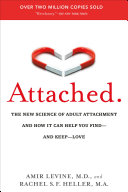
Attached
Amir Levine, Rachel Heller
The New Science of Adult Attachment and How It Can Help You Find--and Keep--Love
20 min
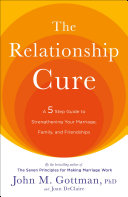
The Relationship Cure
Joan DeClaire, John Gottman, PhD
A 5 Step Guide to Strengthening Your Marriage, Family, and Friendships
19 min
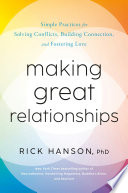
Making Great Relationships
PhD, Rick Hanson
Simple Practices for Solving Conflicts, Building Connection, and Fostering Love
20 min
Failure to Connect
Jane M. Healy
How Computers Affect Our Children's Minds--For Better and Worse
21 min
Love Is the Killer App
Gene Stone, Tim Sanders
How to Win Business and Influence Friends
19 min
Boundaries
Henry Cloud, John Sims Townsend, John Townsend
When to Say Yes, when to Say No to Take Control of Your Life
22 min
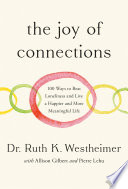
The Joy of Connections
Dr. Ruth K. Westheimer
100 Ways to Beat Loneliness and Live a Happier and More Meaningful Life
22 min
The Other Significant Others
Rhaina Cohen
Reimagining Life with Friendship at the Center
20 min
Love Your Life Not Theirs
Rachel Cruze
7 Money Habits for Living the Life You Want
21 min
Find Your People
Jennie Allen
Building Deep Community in a Lonely World
19 min
At War with Ourselves
Michael Hirsh
Why America Is Squandering Its Chance to Build a Better World
18 min
Missing Each Other
Ashley Pallathra, Edward Brodkin
How to Cultivate Meaningful Connections
21 min

About the Author

Harville Hendrix

Harville Hendrix is an American author, therapist, and speaker known for his work in the field of relationship therapy and personal development. He is best recognized for co-creating the Imago Relationship Therapy approach, which focuses on helping couples understand and improve their relationships through communication and empathy. Hendrix's work emphasizes the importance of healing childhood wounds and how these experiences shape adult relationships.

Hendrix has authored several influential books, including "Getting the Love You Want," which has been widely read and utilized in couples therapy. His writings often explore themes of love, connection, and the psychological dynamics of relationships, making his insights valuable for both individuals and couples seeking to enhance their emotional bonds.

In addition to his writing, Hendrix has conducted workshops and seminars worldwide, sharing his expertise in relationship dynamics and personal growth. He has also appeared on various media platforms, discussing the principles of Imago Therapy and offering practical advice for improving interpersonal relationships.

Overall, Harville Hendrix's contributions to the field of relationship therapy have made a significant impact on how individuals and couples approach their emotional connections, fostering a greater understanding of love and partnership.

Getting the Love You Want FAQs

How long does it take to read Getting the Love You Want?

The reading time for Getting the Love You Want depends on the reader's pace. However, this concise book summary covers the 7 key ideas from Getting the Love You Want, allowing you to quickly understand the main concepts, insights, and practical applications in around 22 min.

Is Getting the Love You Want a good book? Is it worth reading?

Getting the Love You Want is definitely worth reading. The book covers essential topics including Understanding the Unconscious Mind, The Imago Relationship Theory, The Importance of Dialogue, providing practical insights and actionable advice. Whether you read the full book or our concise summary, Getting the Love You Want delivers valuable knowledge that can help you improve your understanding and apply these concepts in your personal or professional life.

Who is the author of Getting the Love You Want?

Getting the Love You Want was written by Harville Hendrix.

What to read after Getting the Love You Want?

If you enjoyed Getting the Love You Want by Harville Hendrix and want to explore similar topics or deepen your understanding, we highly recommend these related book summaries:

  • Hold Me Tight by Sue Johnson
  • The 5 Love Languages by Gary Chapman
  • Attached by Amir Levine, Rachel Heller
  • The Relationship Cure by Joan DeClaire, John Gottman, PhD
  • Making Great Relationships by PhD, Rick Hanson

These books cover related themes, complementary concepts, and will help you build upon the knowledge gained from Getting the Love You Want. Each of these summaries provides concise insights that can further enhance your understanding and practical application of the ideas presented in Getting the Love You Want.