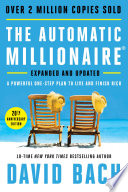
Book cover The Automatic Millionaire
Select an audio
0:00
Intro - The Automatic Millionaire --:--
1. The Power of Automation --:--
2. Pay Yourself First --:--
3. The Latte Factor --:--
4. Understanding Debt --:--
5. Investing for the Long Term --:--
6. The Importance of Financial Literacy --:--
7. Creating a Financial Plan --:--

The Automatic Millionaire

David Bach

A Powerful One-Step Plan to Live and Finish Rich

21 min

Summary

In 'The Automatic Millionaire' David Bach presents a straightforward and actionable guide to achieving financial success through automation and smart financial habits. The book is grounded in the belief that anyone can b...

Continue reading
In 'The Automatic Millionaire' David Bach presents a straightforward and actionable guide to achieving financial success through automation and smart financial habits. The book is grounded in the belief that anyone can become a millionaire, regardless of their income level, by implementing simple yet effective strategies. The central theme revolves around the power of automation, which allows individuals to save and invest without relying on willpower. By setting up automatic transfers to savings and investment accounts, readers can ensure that they are consistently setting aside money for their future. Bach also introduces the principle of 'paying yourself first,' encouraging individuals to prioritize savings before spending on discretionary items. This mindset shift is essential for building wealth over time.

A key concept in the book is the 'Latte Factor,' which highlights how small, recurring expenses can significantly impact long-term financial health. By identifying and reducing these minor luxuries, individuals can redirect funds towards savings and investments. Additionally, Bach emphasizes the importance of understanding and managing debt, advocating for the elimination of high-interest debt while using good debt strategically.

Long-term investing is another critical theme, with Bach encouraging readers to start investing early and take advantage of compound interest. He demystifies the investment process, making it accessible to those who may feel intimidated by the stock market. The book also stresses the importance of financial literacy, empowering individuals to make informed decisions about their finances.

Finally, Bach underscores the necessity of creating a comprehensive financial plan that outlines goals, strategies, and regular reviews to stay on track. Overall, 'The Automatic Millionaire' serves as a practical guide for anyone looking to improve their financial situation and achieve lasting wealth through simple, automated habits.

The Power of Automation

One of the central tenets of 'The Automatic Millionaire' is the idea that financial success can be achieved through automation. The author, David Bach, emphasizes that by automating savings and investments, individuals c...

Continue reading
The concept of financial automation is presented as a transformative approach to achieving wealth and financial stability. This principle is grounded in the understanding that human behavior often hinders effective money management, particularly when it comes to saving and investing. Many individuals face psychological barriers when it comes to handling their finances, which can lead to procrastination or indecision. The idea of automating financial processes addresses these challenges head-on.

By establishing automatic transfers, individuals can create a system where money is consistently allocated to savings and investment accounts without requiring ongoing effort or conscious decision-making. This means that once the initial setup is completed, individuals can essentially "set it and forget it." The automation process can involve scheduling regular transfers from a primary checking account to various savings accounts, retirement accounts, or investment accounts. This strategy allows individuals to prioritize their financial goals without the need for daily or monthly reminders.

The book emphasizes that automation not only simplifies the process of saving and investing but also helps to cultivate a mindset that prioritizes long-term financial health over short-term gratification. When savings are automated, individuals are less likely to spend that money impulsively, as they are not physically handling it or seeing it in their checking account. This method effectively creates a mental separation between available spending money and savings, which can lead to more disciplined financial behavior.

Furthermore, the author discusses the importance of selecting financial institutions that facilitate easy automation. Many banks and financial services offer tools that allow users to set up recurring transfers, direct deposits, and automatic contributions to retirement plans. By leveraging these tools, individuals can create a robust financial plan that requires minimal ongoing attention. The book provides specific guidance on how to choose the right accounts and set up these automated systems, ensuring that readers have the resources to take action.

In addition to the practical steps, the notion of automation is also framed as an empowering strategy. It conveys the message that financial success is accessible to anyone willing to implement a straightforward system. This perspective shifts the focus away from the need for extraordinary discipline or financial acumen, suggesting instead that consistent, automated actions can lead to significant wealth accumulation over time.

Ultimately, the power of automation lies in its ability to simplify financial management, reduce the burden of decision-making, and promote a proactive approach to wealth-building. By embracing this philosophy, individuals can navigate their financial journeys with greater ease and confidence, paving the way for a more secure and prosperous future.

Pay Yourself First

Bach introduces the concept of 'paying yourself first' as a fundamental principle of personal finance. This means prioritizing savings and investments before paying bills or spending on discretionary items. The idea is t...

Continue reading
The concept of prioritizing savings, often referred to as "paying yourself first," serves as a cornerstone of effective personal financial management. The essence of this principle lies in the idea that before any other financial obligations are addressed—be it bills, expenses, or discretionary spending—individuals should allocate a specific portion of their income towards savings and investments. This approach transforms savings from an afterthought into a deliberate and essential part of one’s financial strategy.

By treating savings as a non-negotiable expense, individuals can establish a disciplined financial routine that prioritizes wealth accumulation. This practice encourages the mindset that savings are not merely leftover funds after expenses, but rather a critical allocation of resources that must be set aside immediately upon receiving income. This shift in perspective is crucial, as it helps to cultivate a habit of financial responsibility and foresight.

Starting with a manageable percentage, such as 10% of one’s income, allows individuals to ease into this practice without feeling overwhelmed. The idea is not to impose an unrealistic burden but to create a sustainable habit that can be gradually increased over time as financial confidence and discipline grow. As individuals become more accustomed to saving, they can incrementally raise the percentage, thereby accelerating their wealth-building journey.

This principle is particularly beneficial for those who may find budgeting challenging or who struggle with impulsive spending. By making savings the first priority, individuals create a financial buffer that can protect against unforeseen circumstances or emergencies, such as medical expenses or job loss. This buffer not only provides peace of mind but also positions individuals to seize future investment opportunities that may arise, further enhancing their financial stability and growth potential.

Moreover, the act of prioritizing savings fosters a sense of empowerment and control over one’s financial destiny. It encourages individuals to be proactive rather than reactive in their financial planning, which is essential for achieving long-term goals such as retirement, home ownership, or funding education. Ultimately, by adopting the practice of paying oneself first, individuals can lay the groundwork for a secure financial future, paving the way toward achieving financial independence and the ability to live life on their own terms.

The Latte Factor

One of the most memorable concepts in the book is the 'Latte Factor,' which illustrates how small, everyday expenses can add up over time and hinder financial growth. Bach uses the example of someone who spends $5 a day ...

Continue reading
The concept often referred to as the 'Latte Factor' serves as a compelling illustration of how seemingly trivial daily expenditures can accumulate over time, ultimately impacting one's financial trajectory. The premise is built on the observation that many individuals engage in habitual spending on small items, such as coffee, snacks, or other minor indulgences. For instance, consider someone who spends approximately five dollars each day on their morning coffee. At first glance, this expenditure appears negligible and is often dismissed as a mere convenience or a small pleasure in life. However, when you extrapolate this daily cost over the course of an entire year, the total expenditure reaches over one thousand eight hundred dollars.

This stark realization prompts individuals to reflect on their own spending habits and identify what their personal 'Latte Factors' might be. These factors are not always limited to coffee; they can encompass a range of small, recurring purchases that, when viewed in isolation, seem harmless but collectively represent a significant drain on financial resources. Examples might include frequent dining out, subscription services that go largely unused, or even impulse buys that provide a fleeting moment of joy but do little to contribute to long-term financial stability.

The essence of this concept lies in the encouragement to become more conscious and intentional about spending. It is not about advocating for a life of deprivation or the elimination of all small pleasures. Rather, the focus is on fostering a mindset that prioritizes financial awareness and encourages individuals to evaluate their expenditures critically. By recognizing and potentially reducing these small luxuries, individuals can redirect those funds towards more productive uses, such as savings accounts, investment portfolios, or debt repayment.

This principle underscores a broader financial philosophy that emphasizes the importance of daily financial choices in building wealth. It highlights that achieving financial success is not solely contingent upon earning a high income or making large financial moves. Instead, it is equally about cultivating a habit of mindfulness in everyday spending, which can lead to substantial financial growth over time. By making small adjustments to spending habits, individuals can empower themselves to take control of their financial futures, paving the way for greater stability and wealth accumulation in the long run.

Understanding Debt

Bach emphasizes the importance of understanding and managing debt in the journey to becoming a millionaire. He categorizes debt into good debt and bad debt, encouraging readers to focus on eliminating bad debt, such as h...

Continue reading
Understanding debt is a critical aspect of achieving financial success and ultimately becoming a millionaire. The concept of debt is multifaceted, and recognizing the differences between good debt and bad debt is essential for making sound financial decisions. Good debt typically refers to loans that can help you build wealth over time, such as mortgages for purchasing real estate or student loans that can lead to higher earning potential through education. These types of debt, when managed correctly, can serve as tools for financial growth and stability.

Conversely, bad debt includes high-interest obligations like credit card debt, payday loans, and other forms of borrowing that do not contribute to wealth creation. This type of debt can quickly spiral out of control, leading to a cycle of financial stress that can hinder one’s ability to save and invest for the future. The emphasis is on eliminating bad debt as a priority, as it can drain resources and impede progress toward financial goals.

To effectively manage and eliminate bad debt, practical strategies are presented. One popular method discussed is the "debt snowball" approach. This strategy involves listing all debts from smallest to largest and focusing on paying off the smallest debts first while making minimum payments on larger ones. The psychological benefit of this method is significant; as individuals pay off smaller debts, they gain momentum and motivation to tackle larger debts. This process not only reduces the overall number of debts but also builds confidence in one’s ability to manage finances.

In addition to focusing on debt elimination, there is a strong emphasis on using credit wisely. This means being mindful of how credit is utilized and ensuring that it does not lead to lifestyle inflation, which often occurs when individuals increase their spending in line with rising incomes. Instead of allowing increased earnings to lead to higher expenses, it is recommended to maintain a frugal lifestyle and prioritize saving and investing.

Understanding the broader impact of debt on financial health is crucial. It is not merely about the numbers but about how debt influences one’s financial decisions and overall well-being. Individuals are encouraged to make informed choices regarding borrowing and spending, taking into account how these decisions will affect their long-term financial goals.

The key takeaway from this discussion is that while some forms of debt can be strategically beneficial for building wealth, it is essential to manage all debt effectively. This management involves a clear understanding of the types of debt one carries, a commitment to eliminating harmful debts, and a disciplined approach to using credit. By doing so, individuals can avoid the pitfalls of financial stress and pave the way toward a more secure and prosperous financial future.

Investing for the Long Term

Bach advocates for long-term investing as a critical strategy for wealth accumulation. He discusses the importance of starting to invest early, taking advantage of compound interest, and remaining consistent over time. T...

Continue reading
Investing for the long term is presented as a fundamental principle for building wealth that can lead to financial independence. The concept revolves around the idea that starting to invest at an early age can significantly impact one's financial future due to the power of compound interest. Compound interest is the process where the money earned on an investment generates additional earnings over time, creating a snowball effect that can lead to substantial growth. This means that the earlier an individual begins to invest, the more time their money has to grow, which can result in a much larger nest egg by the time they reach retirement.

The discussion includes various investment vehicles available in the market, such as stocks, bonds, and mutual funds. Each of these options has its own risk and return profile, and understanding these differences is crucial for effective portfolio diversification. Diversification is the practice of spreading investments across different asset classes to reduce risk. By not putting all their eggs in one basket, investors can protect themselves against market volatility and downturns. The book emphasizes that a well-diversified portfolio can help individuals achieve a more stable and consistent growth trajectory over the long haul.

Retirement accounts are highlighted as essential tools for long-term investing. Accounts like 401(k)s and IRAs provide tax advantages that can further enhance the growth of investments. For instance, contributions to these accounts may be made pre-tax, allowing individuals to invest more upfront, and the earnings can grow tax-deferred until withdrawal. Additionally, many employers offer matching contributions to 401(k) plans, which is essentially free money that can significantly boost retirement savings. This aspect underscores the importance of taking full advantage of employer-sponsored retirement plans as part of a long-term investment strategy.

The long-term perspective is crucial because it enables investors to ride out the inevitable ups and downs of the market. Market fluctuations can be unsettling, but those who maintain a long-term view are more likely to stay the course and avoid making impulsive decisions based on short-term market movements. Historical data shows that, despite periodic downturns, the stock market tends to rise over extended periods, rewarding those who remain invested.

The approach taken in the discussion aims to demystify the investing process, making it less intimidating for individuals who may feel overwhelmed by the complexities of the stock market. The message is clear: anyone can become an investor, and the most important step is to begin the journey as early as possible. By committing to a long-term investment strategy, individuals can build wealth steadily and confidently, paving the way toward financial security and independence. This perspective encourages readers to take action, emphasizing that the key to successful investing lies in starting early, remaining consistent, and focusing on the long-term horizon.

The Importance of Financial Literacy

Bach stresses the need for financial literacy as a cornerstone of achieving financial independence. He argues that many people lack a basic understanding of personal finance, which can lead to poor financial decisions. T...

Continue reading
The discussion around financial literacy is framed as a critical element for anyone aspiring to achieve financial independence. The premise is that a significant portion of the population lacks the fundamental knowledge necessary to make sound financial decisions, which can lead to a cycle of poor choices and missed opportunities. This lack of understanding often manifests in various areas, such as budgeting, investing, and debt management, where individuals may find themselves overwhelmed or misinformed about the best practices.

The emphasis on financial literacy serves as an empowering tool for individuals, enabling them to take charge of their financial destinies. By educating themselves about personal finance, individuals can cultivate a mindset that prioritizes informed decision-making over impulsive reactions to financial situations. This education encompasses various aspects, including understanding how to create and stick to a budget, the principles of investing for long-term growth, and strategies for effectively managing and reducing debt.

Moreover, the book offers a plethora of resources aimed at enhancing financial knowledge. This includes recommendations for books that delve deeper into specific topics, websites that provide up-to-date financial information, and courses that offer structured learning experiences. The idea is to create a pathway for readers to become more financially savvy, equipping them with the tools necessary to navigate the complexities of personal finance.

The narrative underscores that financial literacy is not just about acquiring knowledge; it is about applying that knowledge to develop better financial habits. For instance, individuals who understand the importance of saving and investing early can benefit from compound interest over time, leading to significant wealth accumulation. Conversely, those who are unaware of these principles may find themselves struggling with debt and living paycheck to paycheck.

In essence, the focus on financial literacy is portrayed as a foundational aspect of building a sustainable financial future. It is about fostering a proactive approach to money management, where individuals can identify and avoid common financial pitfalls, make strategic investments, and ultimately achieve their financial goals. By prioritizing education in personal finance, individuals are better positioned to create a secure and prosperous financial life, highlighting the transformative power of knowledge in the realm of money management.

Creating a Financial Plan

The final key idea in 'The Automatic Millionaire' is the importance of creating a comprehensive financial plan. Bach encourages readers to outline their financial goals, assess their current financial situation, and deve...

Continue reading
Creating a financial plan is a crucial component of achieving long-term financial success and independence. The process begins with the establishment of clear financial goals, which serve as the foundation for the entire planning effort. These goals can be short-term, such as saving for a vacation or paying off a credit card, or long-term, like saving for retirement or purchasing a home. It is essential to articulate these goals in specific, measurable terms to provide clarity and motivation.

Once the goals are set, the next step involves assessing one's current financial situation. This assessment includes a thorough examination of income, expenses, assets, and liabilities. By understanding where one stands financially, individuals can identify areas that need improvement and opportunities for growth. This self-assessment also helps in recognizing spending habits and patterns that may be hindering financial progress.

With a clear understanding of both goals and current financial status, the next step is to develop a step-by-step plan that outlines how to achieve those goals. This plan should encompass several critical components. Budgeting is a fundamental aspect, as it allows individuals to allocate their income effectively, ensuring that they are living within their means while also setting aside funds for savings and investments. A well-structured budget acts as a financial blueprint, guiding daily spending decisions and helping to avoid unnecessary debt.

Saving is another vital element of the financial plan. Establishing an emergency fund is often recommended as a first priority, providing a financial cushion for unexpected expenses. Beyond that, individuals should aim to save a percentage of their income consistently, directing these funds towards specific goals, such as retirement accounts or investment vehicles that can grow wealth over time.

Investing is where the potential for significant growth lies. The financial plan should include strategies for investing in a diversified portfolio that aligns with one’s risk tolerance and time horizon. Understanding the difference between various investment options, such as stocks, bonds, mutual funds, and real estate, is essential. The plan should also address the importance of starting early with investments to take advantage of compound interest, which can significantly enhance wealth accumulation over time.

Debt management is another critical aspect of the financial plan. It is essential to identify high-interest debts and develop strategies for paying them off efficiently. This may include prioritizing debts based on their interest rates or considering debt consolidation options. A proactive approach to managing and reducing debt not only improves financial health but also increases the capacity to save and invest.

Moreover, the author emphasizes the importance of accountability and discipline in following through with the financial plan. Regularly reviewing and updating the plan is essential to ensure that it remains relevant as personal circumstances and financial goals evolve. Life events such as marriage, having children, or changing jobs can significantly impact financial priorities, and the plan should be flexible enough to adapt to these changes.

In conclusion, a well-structured financial plan acts as a comprehensive roadmap to financial independence. It equips individuals with the tools and strategies necessary to navigate their financial journeys with clarity and confidence. By setting clear goals, assessing their current situation, budgeting effectively, saving diligently, investing wisely, and managing debt responsibly, individuals can take control of their financial futures and work towards achieving their dreams.

Who Should Read This Book?

This book is ideal for individuals seeking to improve their financial literacy, those who struggle with saving and investing, and anyone looking to achieve financial independence. It is especially beneficial for young professionals, recent graduates, and individuals who may feel overwhelmed by personal finance concepts. Additionally, it serves as a valuable resource for anyone interested in developing better financial habits and creating a solid financial plan for the future.

Summaries like The Automatic Millionaire

We Should All Be Millionaires
Rachel Rodgers
A Woman’s Guide to Earning More, Building Wealth, and Gaining Economic Power
21 min
Millionaire Teacher
Andrew Hallam
The Nine Rules of Wealth You Should Have Learned in School
19 min
Baby Steps Millionaires
Dave Ramsey
How Ordinary People Built Extraordinary Wealth--and How You Can Too
21 min
The One-Page Financial Plan
Carl Richards
A Simple Way to Be Smart About Your Money
21 min
I Will Teach You to Be Rich
Ramit Sethi
No Guilt. No Excuses. No BS. Just a 6-Week Program That Works
18 min
You Don't Need a Budget
Dana Miranda
Stop Worrying about Debt, Spend without Shame, and Manage Money with Ease
18 min
Smart Women Finish Rich
David Bach
20 min
The Bogleheads' Guide to Investing
Mel Lindauer, Michael LeBoeuf, Taylor Larimore
21 min
Your Journey to Financial Freedom
Jamila Souffrant
A Step-by-Step Guide to Achieving Wealth and Happiness
22 min
The Simple Path to Wealth
Jl Collins
Your Road Map to Financial Independence and a Rich, Free Life
20 min
Your Money or Your Life
Joe Dominguez, Vicki Robin
9 Steps to Transforming Your Relationship with Money and Achieving Financial Independence: Fully Revised and Updated for 2018
20 min
Financial Literacy for All
John Hope Bryant
Disrupting Struggle, Advancing Financial Freedom, and Building a New American Middle Class
20 min
Breaking Free from Broke
George Kamel
The Ultimate Guide to More Money and Less Stress
21 min
The Algebra of Wealth
Scott Galloway
A Simple Formula for Financial Security
22 min
The Millionaire Fastlane
MJ DeMarco
Crack the Code to Wealth and Live Rich for a Lifetime
20 min

About the Author

David Bach

David Bach is a well-known author and financial expert recognized for his contributions to personal finance and wealth-building strategies. He has gained prominence through his bestselling books, which focus on helping individuals achieve financial independence and improve their financial literacy. Bach's work often emphasizes the importance of saving, investing, and making informed financial decisions.

In addition to his writing, David Bach is a sought-after speaker and has appeared on various media platforms, sharing his insights on financial planning and personal development. His approachable style and practical advice have resonated with a wide audience, making complex financial concepts accessible to everyday people.

Bach is also known for his advocacy of the "Latte Factor," a concept he popularized that encourages individuals to identify small, everyday expenses that can be reduced or eliminated to save money over time. This idea has become a cornerstone of his financial philosophy, promoting the notion that small changes can lead to significant financial improvements.

Throughout his career, David Bach has been committed to empowering individuals to take control of their financial futures, making him a prominent figure in the field of personal finance. His work continues to inspire many to pursue financial wellness and security.

The Automatic Millionaire FAQs

How long does it take to read The Automatic Millionaire?

The reading time for The Automatic Millionaire depends on the reader's pace. However, this concise book summary covers the 7 key ideas from The Automatic Millionaire, allowing you to quickly understand the main concepts, insights, and practical applications in around 21 min.

Is The Automatic Millionaire a good book? Is it worth reading?

The Automatic Millionaire is definitely worth reading. The book covers essential topics including The Power of Automation, Pay Yourself First, The Latte Factor, providing practical insights and actionable advice. Whether you read the full book or our concise summary, The Automatic Millionaire delivers valuable knowledge that can help you improve your understanding and apply these concepts in your personal or professional life.

Who is the author of The Automatic Millionaire?

The Automatic Millionaire was written by David Bach.

What to read after The Automatic Millionaire?

If you enjoyed The Automatic Millionaire by David Bach and want to explore similar topics or deepen your understanding, we highly recommend these related book summaries:

  • We Should All Be Millionaires by Rachel Rodgers
  • Millionaire Teacher by Andrew Hallam
  • Baby Steps Millionaires by Dave Ramsey
  • The One-Page Financial Plan by Carl Richards
  • I Will Teach You to Be Rich by Ramit Sethi

These books cover related themes, complementary concepts, and will help you build upon the knowledge gained from The Automatic Millionaire. Each of these summaries provides concise insights that can further enhance your understanding and practical application of the ideas presented in The Automatic Millionaire.