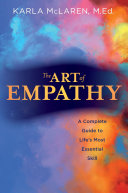
Book cover The Art of Empathy
Select an audio
0:00
Intro - The Art of Empathy --:--
1. Understanding Empathy --:--
2. The Importance of Active Listening --:--
3. Empathy in Conflict Resolution --:--
4. Empathy in Leadership --:--
5. Cultivating Empathy in Daily Life --:--
6. The Role of Empathy in Society --:--
7. Empathy and Technology --:--

The Art of Empathy

Karla McLaren

A Complete Guide to Life's Most Essential Skill

23 min
Summary

The Art of Empathy is a comprehensive exploration of the concept of empathy and its critical role in enhancing human connections, improving communication, and fostering understanding in various aspects of life. The book ...

Continue reading
The Art of Empathy is a comprehensive exploration of the concept of empathy and its critical role in enhancing human connections, improving communication, and fostering understanding in various aspects of life. The book begins by defining empathy and distinguishing it from sympathy, emphasizing that true empathy involves both cognitive and emotional components. The author argues that empathy is not merely a passive feeling but an active engagement with others' emotions and perspectives.

One of the central themes of the book is the importance of active listening in practicing empathy. The author provides practical strategies for being present in conversations, encouraging readers to reflect back what they hear and validate others' feelings. This skill is essential for building trust and creating a safe space for open dialogue.

The book also addresses the role of empathy in conflict resolution, illustrating how understanding different perspectives can lead to more constructive outcomes. The author emphasizes that empathy can de-escalate tensions and foster collaboration, providing tools for reframing conflicts and finding common ground.

Leadership is another key area where empathy plays a vital role. The author argues that empathetic leaders are more effective in motivating their teams and creating supportive environments. By understanding their team members' emotions and concerns, leaders can drive engagement and collaboration.

The book encourages readers to cultivate empathy in their daily lives through self-reflection, mindfulness, and seeking diverse perspectives. It highlights that empathy is a skill that can be developed and integrated into everyday interactions, enhancing emotional intelligence and fostering deeper connections.

The societal implications of empathy are also explored, with the author advocating for a more empathetic society as a means to address social challenges. The book provides examples of movements that have successfully utilized empathy to create positive change, inspiring readers to consider their role in fostering compassion within their communities.

Finally, the book examines the relationship between empathy and technology, discussing how digital communication can impact empathetic connections. The author encourages readers to be mindful of their online interactions and to use technology as a tool for fostering empathy rather than diminishing it.

Overall, The Art of Empathy serves as a guide for individuals seeking to enhance their empathetic skills and create more meaningful connections with others. It offers practical advice, real-world examples, and exercises designed to help readers integrate empathy into their personal and professional lives.

Understanding Empathy

Empathy is the capacity to understand and share the feelings of others. It goes beyond mere sympathy; it involves a deeper connection with another person's emotional state. The book begins by dissecting the concept of em...

Continue reading
Empathy is a multifaceted concept that plays a crucial role in human interactions and relationships. It is defined as the ability to not only understand but also share the emotional experiences of others. This goes far beyond simply feeling sorry for someone or offering sympathy; empathy requires a profound connection to another person's emotional state, allowing for a genuine appreciation of their experiences.

The exploration of empathy begins with its two primary components: cognitive empathy and emotional empathy. Cognitive empathy refers to the intellectual aspect of understanding another person's perspective. This involves the ability to recognize and comprehend the thoughts, beliefs, and feelings that inform another person's emotional response. It is about putting oneself in someone else's shoes and grasping their viewpoint, which can be particularly beneficial in resolving conflicts or navigating complex social situations. By engaging cognitively, individuals can bridge gaps in understanding, fostering a more inclusive and compassionate environment.

On the other hand, emotional empathy is the visceral aspect of empathy, where one can physically feel what another person is experiencing. This type of empathy allows individuals to resonate with the emotions of others, creating a deep emotional connection. When someone expresses joy, sorrow, or pain, emotional empathy enables us to experience a similar emotional response, which can lead to a stronger bond and a sense of solidarity. This shared emotional experience can be incredibly powerful, as it can motivate individuals to support one another and take action in times of need.

The discussion emphasizes that empathy is not merely an instinctive emotional reaction; it also involves a deliberate intellectual engagement. This means that to truly empathize with someone, one must actively listen, observe, and reflect upon the other person's feelings and experiences. This level of engagement requires practice and a willingness to open oneself to the vulnerabilities of others. By doing so, individuals can enhance their ability to connect with others, fostering deeper relationships and facilitating more effective communication.

Understanding the mechanics of empathy lays the groundwork for exploring how it can be cultivated and applied in various contexts, such as personal relationships, professional environments, and community interactions. The development of empathetic skills can lead to improved interpersonal dynamics, as individuals learn to navigate emotional landscapes with greater sensitivity and awareness. This transformation can have far-reaching implications, contributing to a more compassionate society where people are more attuned to one another's needs and experiences.

In summary, the exploration of empathy delves into its dual nature, emphasizing the importance of both cognitive and emotional components. By fostering a deeper understanding of empathy, individuals can enhance their ability to connect with others, ultimately leading to more meaningful relationships and improved communication across diverse contexts. This foundational knowledge serves as a pivotal step toward cultivating empathy in everyday life, encouraging individuals to engage with others on a more profound emotional level.

The Importance of Active Listening

Active listening is a crucial skill in practicing empathy. The book highlights the importance of being fully present in conversations, which involves not only hearing the words being spoken but also understanding the und...

Continue reading
Active listening is presented as a foundational skill essential for practicing empathy effectively. It goes beyond merely hearing the words spoken by another person; it encompasses a deep engagement with the speaker's emotional landscape and the nuances of their communication. This practice requires individuals to be entirely present in the moment, which means setting aside distractions and focusing solely on the conversation at hand.

The act of active listening involves a conscious effort to understand not just the explicit content of what is being said but also the implicit feelings and intentions behind those words. This can be particularly challenging, as it demands that listeners suspend their own judgments, preconceived notions, and immediate responses. Instead of formulating a reply while the other person is speaking, active listeners immerse themselves in the speaker's experience, striving to comprehend their perspective fully.

To facilitate this understanding, several techniques are emphasized. One such technique is reflecting back what the speaker has articulated. This involves paraphrasing or summarizing their statements to demonstrate that you are not only listening but also processing the information. By doing this, the listener can confirm their understanding and give the speaker an opportunity to clarify or expand on their thoughts.

Another important aspect of active listening is the use of clarifying questions. These questions aim to delve deeper into the speaker's message, allowing for a more comprehensive understanding of their feelings and thoughts. For instance, asking questions like "Can you tell me more about that?" or "How did that make you feel?" encourages the speaker to elaborate, which can reveal additional layers of meaning.

Validating feelings is also a critical component of active listening. This involves acknowledging and affirming the speaker's emotions, regardless of whether or not one agrees with their perspective. By expressing understanding and empathy toward their feelings, the listener helps create a safe and supportive environment where the speaker feels valued and heard.

Mastering the art of active listening can significantly enhance interpersonal relationships. It fosters deeper connections and encourages more meaningful interactions, as individuals feel more comfortable sharing their thoughts and feelings. The emphasis on practical exercises within the text serves to equip readers with the tools necessary to improve their listening skills actively. These exercises may include practicing reflective listening in everyday conversations, engaging in role-playing scenarios, or even journaling about interactions to identify areas for growth.

Ultimately, the cultivation of active listening skills is portrayed as a transformative process that not only benefits the listener but also empowers the speaker, leading to a more empathetic and understanding world. By committing to this practice, individuals can contribute to a culture of empathy that values open communication and authentic connection.

Empathy in Conflict Resolution

The book delves into the role of empathy in resolving conflicts. It posits that many disputes arise from a lack of understanding between parties. By employing empathy, individuals can view conflicts from multiple perspec...

Continue reading
The exploration of empathy in the context of conflict resolution reveals its profound significance in transforming disputes into opportunities for understanding and collaboration. Conflicts often stem from misunderstandings, where individuals or groups perceive each other’s actions and intentions through their own biased lenses. This lack of understanding can escalate tensions, leading to entrenched positions that are difficult to reconcile.

By employing empathy, individuals are encouraged to step outside of their own perspectives and attempt to see the situation from the viewpoints of others involved in the conflict. This shift in perspective allows for a more comprehensive understanding of the emotions and motivations driving each party's actions. The ability to acknowledge and validate the feelings of others can serve as a powerful tool in diffusing hostility and fostering a more constructive dialogue.

The text outlines various techniques that can be employed to harness empathy effectively within conflict situations. One such technique is reframing the conflict, which involves altering the way the conflict is perceived. Instead of viewing the situation as a zero-sum game where one party wins at the expense of the other, reframing encourages individuals to see the conflict as a shared problem that requires joint effort to resolve. This reframing can open up new avenues for discussion and collaboration, as it shifts the focus from adversarial positions to mutual interests.

Finding common ground is another critical aspect of using empathy in conflict resolution. By identifying shared values, goals, or experiences, parties can create a foundation upon which to build a resolution. This process often involves active listening, where individuals are encouraged to truly hear and understand what the other party is expressing. This not only demonstrates respect but also fosters an environment where open communication can thrive.

Importantly, the text emphasizes that employing empathy does not require individuals to abandon their own positions or beliefs. Instead, it is about recognizing and understanding the needs and emotions of others while still holding one’s own perspective. This balanced approach allows for the possibility of reaching mutually beneficial solutions that honor the interests of all parties involved.

Ultimately, the role of empathy in conflict resolution is portrayed as a vital component that can lead to more effective and sustainable outcomes. By cultivating an empathetic mindset, individuals can transform conflicts into collaborative efforts that not only resolve the immediate issues at hand but also strengthen relationships and promote a culture of understanding and respect.

Empathy in Leadership

Leadership is significantly enhanced by the practice of empathy. The author argues that empathetic leaders are better equipped to motivate and engage their teams. By understanding the emotions and concerns of team member...

Continue reading
Leadership is fundamentally transformed through the intentional practice of empathy, which is depicted as a crucial element for effective leadership. The text argues that when leaders actively engage in empathetic practices, they become more adept at motivating and inspiring their teams. This process begins with the leader's ability to recognize and understand the emotions, thoughts, and concerns of their team members. By paying attention to these emotional cues, leaders can create a work environment that is not only supportive but also conducive to open communication and collaboration.

Empathy enables leaders to connect with their team on a deeper level, fostering an atmosphere of trust. When team members feel understood and valued, they are more likely to engage fully with their work, share ideas, and contribute to the collective goals of the organization. The text illustrates this point by providing real-world examples of leaders who have effectively leveraged empathy to propel their organizations forward. These examples serve to highlight that empathetic leadership is not just a theoretical concept, but a practical approach that can yield tangible results in terms of team performance and morale.

Moreover, the discussion delves into the significance of emotional intelligence as an integral part of leadership. Emotional intelligence encompasses the ability to recognize one's own emotions as well as the emotions of others, and empathy is a core component of this skill set. The text emphasizes that empathetic leaders are often better decision-makers because they can consider the emotional implications of their choices on their team. This awareness allows them to navigate challenges more effectively, particularly during conflict resolution, where understanding differing perspectives can lead to more amicable solutions.

The dynamics of team interactions are also explored in the context of empathy. Leaders who practice empathy are more likely to facilitate a positive team dynamic, where members feel safe to express their thoughts and feelings without fear of judgment. This openness can lead to increased creativity and innovation, as team members are encouraged to contribute their unique perspectives.

Readers are urged to invest in their own development of empathetic skills, as this not only enhances their leadership capabilities but also contributes to their personal growth. The text provides practical strategies and exercises to cultivate empathy, suggesting that by actively working on this skill, individuals can transform their leadership style and, consequently, the culture of their organizations. The overarching message is clear: empathy is not just a soft skill; it is a powerful tool that can drive effective leadership and create thriving teams.

Cultivating Empathy in Daily Life

Empathy is not a static trait but a skill that can be cultivated through practice. The book offers various strategies for integrating empathy into daily life. This includes engaging in self-reflection, practicing mindful...

Continue reading
Empathy is presented as a dynamic skill rather than a fixed characteristic, which means that anyone can learn and improve their empathetic abilities through consistent practice and intentional effort. The text emphasizes the significance of integrating empathy into everyday interactions and experiences, highlighting that this process requires a conscious commitment to understanding the feelings and perspectives of others.

One of the key strategies discussed is the practice of self-reflection. This involves taking the time to examine one’s own emotions, biases, and reactions in various situations. By understanding oneself better, individuals can create a foundation for recognizing and relating to the emotions of others. Self-reflection encourages a deeper awareness of how personal experiences shape one’s perceptions and interactions, which is crucial for fostering empathy.

Mindfulness is another critical component highlighted in the exploration of empathy. Practicing mindfulness involves being fully present in the moment and attentive to one’s surroundings and the emotions of those around them. This heightened awareness allows individuals to pick up on nonverbal cues, such as body language and tone of voice, which are essential for understanding the emotional states of others. By cultivating mindfulness, individuals can enhance their ability to connect with others on a deeper emotional level, leading to more meaningful interactions.

The text also advocates for seeking diverse perspectives as a means of expanding one’s empathetic capacity. Engaging with literature that portrays a wide range of experiences and voices can open up new ways of thinking about the world and the people in it. Similarly, having conversations with individuals from different backgrounds or with different life experiences can challenge preconceived notions and foster a greater understanding of the complexities of the human experience. This exposure to diversity not only enriches one’s perspective but also reinforces the idea that everyone has their own unique story, which deserves recognition and understanding.

The importance of stepping outside one’s own experiences is underscored throughout the discussion. By actively seeking to understand the broader human condition, individuals can cultivate a sense of shared humanity that transcends personal differences. This approach encourages empathy as a bridge to connect with others, facilitating stronger relationships and a more compassionate outlook on life.

To support the cultivation of empathy in daily life, practical exercises and prompts are provided, guiding readers on how to incorporate empathetic practices into their routines. These exercises may include journaling about encounters with others, practicing active listening during conversations, or volunteering in community service to gain insight into the lives of those in different circumstances. By embedding these practices into daily habits, individuals can gradually enhance their emotional intelligence, leading to a richer, more connected existence.

Overall, the exploration of empathy as a skill to be cultivated emphasizes that building deeper connections with others is an ongoing journey. It requires dedication, openness, and a willingness to engage with the world in a more thoughtful and compassionate manner. Through the integration of these strategies into daily life, individuals can not only improve their own emotional understanding but also contribute to a more empathetic society.

The Role of Empathy in Society

The book discusses the societal implications of empathy, arguing that a more empathetic society is essential for addressing many of the world's challenges. It highlights how empathy can bridge divides, reduce prejudice, ...

Continue reading
The discussion surrounding the role of empathy in society delves into the profound impact that empathetic interactions can have on various social structures and relationships. It posits that empathy is not merely a personal virtue but a societal necessity that can help navigate the complexities of human interactions in an increasingly polarized world. By fostering a culture of empathy, communities can begin to address and mitigate some of the most pressing challenges they face today, such as inequality, discrimination, and social injustice.

The text emphasizes that empathy serves as a bridge, connecting individuals across diverse backgrounds and experiences. When people engage empathetically, they are more likely to understand differing perspectives, which can lead to reduced prejudice and increased tolerance. This understanding is crucial in a world where misunderstandings and biases often fuel conflict and division. The book illustrates this point by providing real-world examples of social movements that have harnessed the power of empathy to advocate for change. These initiatives often showcase how empathy can mobilize individuals to act collectively, fostering solidarity and a sense of shared purpose.

Moreover, the narrative encourages readers to reflect on their own capacity for empathy and how it can be cultivated within their communities. It posits that empathy is not a fixed trait but a skill that can be developed through practice and intentionality. By participating in empathetic dialogues and engaging with others’ experiences, individuals can contribute to a ripple effect, inspiring those around them to adopt similar practices. This collective movement towards empathy is framed as a powerful tool for social transformation, highlighting that even small, individual acts of empathy can accumulate to create significant societal change.

The text also advocates for empathy as a strategic approach in addressing systemic issues. It suggests that empathy-driven initiatives can lead to more effective solutions that take into account the needs and experiences of all stakeholders involved. By prioritizing understanding and compassion in decision-making processes, societies can create policies and practices that are more inclusive and equitable.

Ultimately, the exploration of empathy in this context serves as a call to action for individuals to recognize their potential influence in shaping a more compassionate world. It encourages readers to consider how their empathetic actions can contribute to a larger movement towards social justice and community well-being. The overarching message is that empathy is not just an emotional response but a critical component of societal health, capable of fostering connection, understanding, and ultimately, transformative change.

Empathy and Technology

In an increasingly digital world, the book explores the intersection of empathy and technology. It discusses how technology can both enhance and hinder empathetic connections. While digital communication can facilitate c...

Continue reading
In today's fast-paced digital landscape, the relationship between empathy and technology is becoming increasingly complex and nuanced. The exploration of this intersection reveals that while technology has the potential to bridge geographical divides, enabling individuals to connect in ways that were previously unimaginable, it also presents challenges that can undermine genuine emotional understanding and connection.

The discussion begins with the recognition that digital communication tools—such as social media platforms, messaging apps, and video conferencing—have revolutionized how we interact. These tools allow us to maintain relationships with friends, family, and colleagues across vast distances, thus fostering a sense of community and belonging that transcends physical barriers. However, this convenience comes at a cost. The absence of non-verbal cues, such as body language and tone of voice, can lead to misinterpretations and misunderstandings. Without these essential elements of human communication, the emotional nuances that are vital for empathy can easily be lost.

The narrative encourages readers to reflect on their digital interactions and to approach them with intention and mindfulness. It emphasizes the importance of being aware of how one’s words may be perceived in a digital context, where the lack of immediate feedback can create a disconnect. For instance, a message intended to be humorous might be interpreted as sarcastic or insensitive, leading to conflict rather than connection. This highlights the necessity for individuals to consider the impact of their communication style and to strive for clarity and compassion in their exchanges.

To navigate these challenges, the text provides practical strategies for maintaining empathetic communication in online spaces. One key suggestion is to pay close attention to tone, which can be easily misconstrued in text-based formats. Using emojis, exclamation points, or carefully chosen words can help convey the intended emotion more effectively. Additionally, understanding the context of a conversation is crucial; recognizing the background and emotional state of the other party can inform how one responds and engages.

Active engagement is another vital component of empathetic communication in digital environments. This involves not just sending messages but also being present and attentive to the responses of others. Asking open-ended questions, seeking clarification when something is unclear, and showing genuine interest in the perspectives of others can foster deeper connections. Such practices not only enhance understanding but also create a space where individuals feel valued and heard, reinforcing the empathetic bonds that are essential for meaningful relationships.

Ultimately, the exploration of empathy and technology serves as a call to action for individuals to harness the power of digital tools in a way that promotes connection rather than division. By being mindful of how we communicate online and striving to maintain empathy in our interactions, we can create a more compassionate digital world that enriches our relationships and enhances our collective human experience.

Who Should Read This Book?

This book is ideal for anyone looking to deepen their understanding of empathy and its importance in human relationships. It is particularly beneficial for leaders, educators, mental health professionals, and anyone involved in conflict resolution or team dynamics. Furthermore, individuals seeking personal growth and improved communication skills will find valuable insights and practical strategies within its pages.

Summaries like The Art of Empathy

Why Can't We Talk?
John Backman
Christian Wisdom on Dialogue as a Habit of the Heart
20 min
Failure to Connect
Jane M. Healy
How Computers Affect Our Children's Minds--For Better and Worse
21 min
What We Say Matters
Ike K. Lasater, Judith Hanson Lasater
Practicing Nonviolent Communication
19 min
Reclaiming Conversation
Sherry Turkle
The Power of Talk in a Digital Age
20 min
You’re Not Listening
Kate Murphy
What You’re Missing and Why It Matters
19 min
The Power of Belonging
Said Aghil Baaghil
The Marketing Strategy for Branding
19 min
The Proximity Paradox
Alex Varricchio, Kiirsten May
How to Create Distance from Business as Usual and Do Something Truly Innovative
19 min
Mindreader
David J. Lieberman, PhD
The New Science of Deciphering What People Really Think, What They Really Want, and Who They Really Are
19 min
Just Listen
Mark Goulston
Discover the Secret to Getting Through to Absolutely Anyone
21 min
What Kind of Creatures Are We?
Noam Chomsky
19 min
The Big Disconnect
Micah L. Sifry
Why The Internet Hasn't Transformed Politics (Yet)
20 min
The Creative Act
Rick Rubin
A Way of Being
21 min
Permission to Feel
Marc Brackett
Unlock the power of emotions to help yourself and your children thrive
22 min
Mastering Communication at Work
Ethan F. Becker, Jon Wortmann
How to Lead, Manage, and Influence
23 min
The Chaos Machine
Max Fisher
The Inside Story of How Social Media Rewired Our Minds and Our World
19 min

About the Author

Karla McLaren

Karla McLaren is an author, educator, and speaker known for her work in the field of emotions and empathy. She has developed a unique approach to understanding and navigating emotions, emphasizing their importance in personal and professional development. McLaren is recognized for her contributions to emotional intelligence and has authored several books that explore the complexities of feelings and their impact on human behavior.

Her work often focuses on the idea that emotions are not just reactions but valuable sources of information that can guide individuals in their lives. McLaren's teachings encourage people to embrace their emotions, understand their messages, and use them as tools for growth and connection. She has created various resources, including courses and workshops, aimed at helping individuals and organizations enhance their emotional awareness and interpersonal skills.

In addition to her writing and educational endeavors, McLaren is known for her advocacy of empathy as a critical component of effective communication and relationship-building. Her insights have resonated with a wide audience, making her a sought-after speaker at conferences and events related to personal development and emotional well-being.

Overall, Karla McLaren's work centers on the transformative power of emotions and the importance of empathy in fostering healthy relationships and communities.

The Art of Empathy FAQs

How long does it take to read The Art of Empathy?

The reading time for The Art of Empathy depends on the reader's pace. However, this concise book summary covers the 7 key ideas from The Art of Empathy, allowing you to quickly understand the main concepts, insights, and practical applications in around 23 min.

Is The Art of Empathy a good book? Is it worth reading?

The Art of Empathy is definitely worth reading. The book covers essential topics including Understanding Empathy, The Importance of Active Listening, Empathy in Conflict Resolution, providing practical insights and actionable advice. Whether you read the full book or our concise summary, The Art of Empathy delivers valuable knowledge that can help you improve your understanding and apply these concepts in your personal or professional life.

Who is the author of The Art of Empathy?

The Art of Empathy was written by Karla McLaren.

What to read after The Art of Empathy?

If you enjoyed The Art of Empathy by Karla McLaren and want to explore similar topics or deepen your understanding, we highly recommend these related book summaries:

  • Why Can't We Talk? by John Backman
  • Failure to Connect by Jane M. Healy
  • What We Say Matters by Ike K. Lasater, Judith Hanson Lasater
  • Reclaiming Conversation by Sherry Turkle
  • You’re Not Listening by Kate Murphy

These books cover related themes, complementary concepts, and will help you build upon the knowledge gained from The Art of Empathy. Each of these summaries provides concise insights that can further enhance your understanding and practical application of the ideas presented in The Art of Empathy.