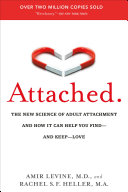
Book cover Attached
Select an audio
0:00
Intro - Attached --:--
1. Attachment Theory Basics --:--
2. The Importance of Recognizing Your Attachment Style --:--
3. The Dynamics of Secure Relationships --:--
4. The Anxious-Avoidant Trap --:--
5. The Role of Communication in Relationships --:--
6. Strategies for Building Healthier Relationships --:--
7. The Power of Change and Growth --:--
Attached

Amir Levine, Rachel Heller

The New Science of Adult Attachment and How It Can Help You Find--and Keep--Love

22 min

Summary

In 'Attached', Amir Levine and Rachel Heller delve into the science of adult attachment, providing a comprehensive understanding of how our early relationships with caregivers influence our romantic partnerships. The boo...

Continue reading
In 'Attached', Amir Levine and Rachel Heller delve into the science of adult attachment, providing a comprehensive understanding of how our early relationships with caregivers influence our romantic partnerships. The book introduces readers to three main attachment styles: secure, anxious, and avoidant, each characterized by distinct patterns of behavior and emotional responses. Through engaging anecdotes, research findings, and practical insights, the authors illuminate how these styles play out in adult relationships and the importance of recognizing one’s own attachment style as well as that of partners.

The book emphasizes that understanding attachment styles is crucial for navigating the complexities of love and intimacy. By recognizing the dynamics of secure relationships, readers can aspire to foster healthier connections. The authors discuss the 'anxious-avoidant trap,' a common cycle that occurs when individuals with these contrasting styles come together, often leading to emotional distress and misunderstandings.

Levine and Heller stress the significance of communication in relationships, advocating for open dialogue about needs and feelings to enhance emotional intimacy. They provide practical strategies for individuals to build healthier relationships, particularly for those with insecure attachment styles. The authors also emphasize the potential for change, encouraging readers to believe in their ability to shift their attachment behaviors through awareness and effort.

Overall, 'Attached' serves as a guide for individuals seeking to understand their relational patterns and improve their romantic experiences. With a blend of theory and practical advice, the book empowers readers to take charge of their emotional lives, fostering secure, fulfilling relationships. Through its insightful exploration of attachment theory, 'Attached' not only educates but also inspires hope for personal growth and healthier connections.

Attachment Theory Basics

Attachment theory, originally developed by John Bowlby and later expanded by Mary Ainsworth, posits that the bonds formed in early childhood between a child and their primary caregiver can significantly influence emotion...

Continue reading
Attachment theory serves as a foundational framework for understanding how early relationships between a child and their primary caregiver shape emotional and relational patterns throughout a person's life. The theory was initially articulated by John Bowlby, who emphasized the importance of these early bonds for psychological development. Mary Ainsworth later expanded upon Bowlby’s work through her research, particularly with the development of the "Strange Situation" assessment, which identified different attachment styles based on how children respond to separation and reunion with their caregivers.

At the core of attachment theory is the idea that the nature of the bond formed in childhood can significantly influence how individuals relate to others in adulthood. This concept is particularly relevant in romantic relationships, where the dynamics of attachment styles can manifest in various ways. The authors delve into three primary attachment styles: secure, anxious, and avoidant, each characterized by distinct behaviors and emotional responses.

Individuals with a secure attachment style tend to have a healthy balance between intimacy and independence. They are comfortable with closeness and are able to communicate their needs and feelings effectively. This style often results from having experienced consistent and responsive caregiving during childhood, leading to a sense of safety and trust in relationships. Secure individuals are typically able to form stable and fulfilling partnerships, as they are not overly preoccupied with fears of abandonment or engulfment.

In contrast, those with an anxious attachment style often find themselves craving closeness and emotional connection but simultaneously harbor intense fears of abandonment. This can lead to behaviors that may be perceived as clingy or overly dependent. Anxiously attached individuals may struggle with self-esteem and often seek reassurance from their partners, fearing that their needs will not be met. Their childhood experiences may have involved inconsistent caregiving, where they received affection and attention sporadically, leading to uncertainty about their worthiness of love and attention.

Avoidant attachment style, on the other hand, is characterized by a tendency to distance oneself emotionally from partners. Individuals with this style often prioritize independence and self-sufficiency, viewing emotional intimacy as a potential threat to their autonomy. This can manifest as a reluctance to engage deeply in relationships or an inability to express vulnerability. Avoidantly attached individuals may have experienced caregivers who were emotionally unavailable or dismissive, leading them to adopt a self-protective stance that shuns closeness and intimacy.

The book emphasizes the importance of recognizing one's own attachment style as well as that of partners. By understanding these patterns, individuals can gain insights into their relationship behaviors and the underlying motivations driving them. This awareness is crucial for fostering healthier dynamics in relationships. The authors highlight that while attachment styles are often rooted in childhood experiences, they are not immutable. With conscious effort and a willingness to engage in personal growth, individuals can work towards changing their attachment styles, leading to more fulfilling and secure relationships. This transformative journey involves self-reflection, open communication, and a commitment to developing healthier relational patterns that can ultimately enhance emotional well-being and relationship satisfaction.

The Importance of Recognizing Your Attachment Style

One of the central premises of 'Attached' is the significance of self-awareness regarding one’s attachment style. The authors argue that by identifying your own attachment style and that of your partner, you can better n...

Continue reading
Understanding the importance of recognizing your attachment style is crucial for fostering healthy relationships and navigating the complexities of emotional connections. The concept of attachment styles originates from psychological research that categorizes how individuals relate to others based on their early experiences with caregivers. These styles, namely secure, anxious, and avoidant, significantly influence how we interact with romantic partners throughout our lives.

Self-awareness regarding one’s attachment style allows individuals to gain insight into their emotional responses and behaviors in relationships. For example, those with an anxious attachment style often crave closeness and reassurance from their partners. They may frequently seek validation and feel insecure about the relationship's stability. When faced with a partner who has an avoidant attachment style, which is characterized by a preference for emotional distance and independence, the anxious individual might misinterpret their partner's need for space as a personal rejection. This misunderstanding can lead to heightened anxiety and conflict, as the anxious person may react by becoming more clingy and demanding, creating a cycle of tension.

On the other hand, individuals with an avoidant attachment style often feel overwhelmed by the emotional needs of their anxious partners. They may perceive the constant need for reassurance as suffocating, prompting them to withdraw further. This withdrawal can exacerbate the anxious partner's fears of abandonment and insecurity, leading to a detrimental feedback loop where both partners feel misunderstood and frustrated.

By recognizing these patterns, individuals can learn to communicate their needs more effectively. For instance, an anxious person can express their need for reassurance without resorting to demands, while an avoidant partner can articulate their need for space without making the other feel rejected. This improved communication fosters a healthier dynamic, as both partners can work together to establish a balance that accommodates their differing needs.

The book offers practical tools, such as self-assessment quizzes, to help readers identify their attachment styles. These assessments not only clarify one's own attachment tendencies but also encourage reflection on how these styles may manifest in relationships. By understanding their attachment style and that of their partner, individuals can set more realistic expectations and develop strategies to mitigate conflicts. This proactive approach helps to avoid unnecessary emotional turmoil, ultimately leading to more satisfying and stable relationships.

In summary, recognizing and understanding one’s attachment style is a vital step in enhancing relationship dynamics. It empowers individuals to navigate emotional complexities with greater awareness and compassion, fostering healthier interactions and deeper connections with their partners.

The Dynamics of Secure Relationships

In 'Attached', Levine and Heller emphasize the characteristics of secure relationships and the benefits they bring to partners. Secure individuals exhibit healthy communication patterns, emotional support, and a balanced...

Continue reading
The concept of secure relationships is central to understanding the dynamics of interpersonal connections. Secure individuals are characterized by their ability to communicate effectively and openly with their partners. This means they are not only able to express their own needs and feelings but also actively listen and respond to their partner's emotions and concerns. This healthy communication fosters an environment of trust and understanding, which is essential for any relationship to flourish.

Emotional support is another hallmark of secure relationships. Individuals who are secure in their attachment style are typically empathetic and responsive to their partner's emotional needs. They provide reassurance during difficult times and celebrate successes together, creating a bond that is both resilient and nurturing. This emotional availability allows partners to feel valued and understood, which can significantly enhance the overall quality of the relationship.

Moreover, secure individuals maintain a balanced approach to intimacy and independence. They understand the importance of closeness and connection but also respect the need for personal space and autonomy. This balance helps partners feel secure in their relationship while still being able to pursue their own interests and maintain their individuality. Such an approach can prevent feelings of suffocation or dependency that might arise in less secure attachments.

The book emphasizes the transformative power of secure partners, particularly for those who may identify as anxious or avoidant. Anxious individuals often crave closeness and reassurance but may struggle with fears of abandonment. In contrast, avoidant individuals might prioritize independence and feel uncomfortable with too much emotional closeness. Secure partners can provide the stability and reassurance that anxious individuals need, thereby helping them to feel more secure and less fearful in the relationship. Similarly, they can encourage avoidant partners to explore intimacy at a pace that feels comfortable, ultimately helping them to lower their defenses and engage more openly.

The authors highlight the significance of consciously seeking relationships with secure individuals, especially for those who may struggle with attachment issues. Engaging with a secure partner can create a feedback loop of positivity, where the secure individual's behavior encourages anxious or avoidant partners to adjust their own behaviors over time. This can lead to a gradual transformation in their attachment styles, promoting healthier interactions and fostering personal growth.

Understanding the dynamics of secure relationships is crucial for anyone looking to cultivate more fulfilling and sustainable connections. By recognizing the traits and behaviors that characterize secure attachments, individuals can aspire to develop their own secure qualities or seek out partners who embody these principles. This awareness can ultimately lead to healthier relationships that are marked by mutual respect, emotional support, and a shared commitment to growth and well-being.

The Anxious-Avoidant Trap

One of the most insightful concepts in 'Attached' is the 'anxious-avoidant trap,' which describes the cycle that occurs when an anxious individual partners with an avoidant individual. This dynamic often leads to a push-...

Continue reading
The concept of the anxious-avoidant trap explores the complex interplay between two distinct attachment styles: the anxious attachment style and the avoidant attachment style. Individuals with an anxious attachment style typically crave closeness and intimacy, often feeling insecure about their partner's feelings and commitment. They may exhibit behaviors driven by a fear of abandonment, leading them to seek reassurance and connection. Conversely, those with an avoidant attachment style tend to prioritize independence and self-sufficiency, often feeling uncomfortable with too much emotional closeness. They might withdraw or create distance when they sense their partner's need for intimacy, perceiving it as a threat to their autonomy.

This dynamic creates a cyclical pattern that can be detrimental to both partners. The anxious individual, driven by their need for reassurance and connection, may become increasingly clingy or demanding. This behavior can trigger the avoidant partner's discomfort, prompting them to retreat further. As the avoidant partner distances themselves, the anxious partner's fears of abandonment are exacerbated, leading to heightened anxiety and further attempts to gain closeness. This push-pull dynamic can escalate into a toxic relationship pattern, characterized by misunderstandings, emotional turmoil, and a pervasive sense of dissatisfaction.

The authors emphasize that breaking free from this cycle requires intentional effort and effective communication. Clear communication is crucial; both partners must express their needs and feelings openly and honestly. This involves not only articulating one's own emotional state but also actively listening to the other person's perspective. Establishing boundaries is another vital strategy. Each partner should identify their comfort levels regarding emotional closeness and independence, ensuring that both feel respected and understood in the relationship.

Fostering mutual understanding is also essential in navigating the anxious-avoidant trap. This means recognizing and validating each other's attachment styles and the underlying fears that drive their behaviors. By cultivating empathy and compassion, partners can create a safe space for vulnerability, which can help alleviate the tensions that arise from their differing needs for closeness and distance.

In summary, the anxious-avoidant trap illustrates a common yet challenging dynamic in relationships where differing attachment styles clash. By employing strategies such as clear communication, setting boundaries, and promoting mutual understanding, couples can work towards healthier interactions. This approach not only helps to reduce the emotional strain that often accompanies such relationships but also paves the way for a more fulfilling and secure emotional connection between partners.

The Role of Communication in Relationships

Effective communication is a cornerstone of healthy relationships, a theme that runs throughout 'Attached.' The authors highlight the necessity of expressing needs and feelings openly and honestly to foster understanding...

Continue reading
Effective communication serves as the foundation for healthy relationships, a principle that is emphasized throughout the discussion. The authors assert that the ability to express needs and feelings in an open and honest manner is essential for fostering understanding and creating a genuine connection between partners. This approach is not merely about exchanging words; it involves a deeper engagement with one another's emotional landscapes.

To facilitate effective communication, the authors offer practical strategies aimed at minimizing defensiveness and promoting a more constructive dialogue. One of the key techniques suggested is the use of "I" statements when conveying feelings. This method allows individuals to share their emotions and experiences without attributing blame to their partner, which can often lead to a defensive reaction. For instance, instead of saying "You never listen to me," one might say, "I feel unheard when I try to share my thoughts." This subtle shift in language not only clarifies the speaker's feelings but also encourages the listener to respond with empathy rather than defensiveness.

The book also delves into the importance of active listening, which involves fully concentrating on what the other person is saying rather than merely waiting for one's turn to speak. Active listening requires the listener to engage with the speaker's words, ask clarifying questions, and reflect back what they have heard to ensure understanding. This practice not only helps partners feel heard but also validates their experiences, creating a safe space for emotional expression.

Validation is another crucial component discussed in the text. It involves acknowledging and accepting the other person's feelings without judgment. When one partner feels validated, it reinforces their sense of worth and fosters a deeper emotional bond. The authors emphasize that validation does not necessarily mean agreement; rather, it is about recognizing the validity of the other person's emotions and experiences.

By enhancing communication skills through these methods, individuals can navigate the complexities of their relationships with greater ease. Improved communication leads to a more profound understanding of each partner's attachment needs, which in turn can result in increased satisfaction and emotional intimacy. As partners learn to express themselves more effectively and listen to one another with greater empathy, they cultivate a relationship dynamic that is resilient, nurturing, and fulfilling. This emphasis on communication as a vital tool for connection highlights its role not just as a means of exchanging information, but as a powerful catalyst for emotional closeness and relational harmony.

Strategies for Building Healthier Relationships

Levine and Heller offer various strategies for individuals looking to build healthier relationships, particularly for those with anxious or avoidant attachment styles. These strategies include seeking out secure partners...

Continue reading
The authors present a comprehensive framework for individuals who wish to cultivate healthier relationships, particularly focusing on those who may struggle with anxious or avoidant attachment styles. These attachment styles often stem from early experiences and can significantly influence how individuals interact in romantic and platonic relationships.

One of the central strategies proposed is the importance of seeking out secure partners. Secure partners are characterized by their ability to communicate openly, respond sensitively to emotional needs, and create a safe environment where vulnerability can flourish. By aligning with someone who has a secure attachment style, individuals can experience a more stable and nurturing relationship dynamic. This shift can help mitigate the anxiety or avoidance that often arises in relationships, as secure partners tend to provide reassurance and validation that can soothe emotional distress.

In addition to choosing the right partner, the authors highlight the necessity of practicing self-soothing techniques. Self-soothing refers to the ability to calm oneself during moments of distress without relying excessively on others for comfort. This skill is particularly vital for those with anxious attachment styles, who may feel compelled to seek constant reassurance from their partners. Techniques may include mindfulness practices, deep breathing exercises, or engaging in activities that promote relaxation and emotional regulation. By developing these self-soothing skills, individuals can reduce their dependency on others for emotional stability and create a more balanced internal state.

Emotional regulation is another critical aspect discussed in the book. This involves recognizing and managing one’s emotions effectively, rather than letting them dictate behavior or relationship dynamics. The authors encourage readers to become aware of their emotional triggers and responses, which is a foundational step toward healthier interactions. By learning to identify when emotions are heightened and implementing strategies to regulate those feelings—such as taking a pause before reacting or expressing feelings in a constructive manner—individuals can prevent misunderstandings and conflicts from escalating.

Setting boundaries emerges as a vital theme throughout the discussion. Boundaries are essential for maintaining one’s emotional health and ensuring that relationships are mutually beneficial. The authors stress the importance of recognizing when a relationship is not meeting one’s emotional needs. This recognition may involve assessing whether the relationship brings joy, support, and fulfillment or if it leads to feelings of anxiety, resentment, or neglect. By establishing clear boundaries, individuals can protect their emotional well-being and communicate their needs effectively to their partners.

Ultimately, the authors advocate for a proactive approach to relationship-building. They encourage readers to take intentional steps toward improving their relational patterns, which can lead to personal growth and the development of healthier emotional connections. This proactive mindset involves self-reflection, a commitment to change, and the willingness to engage in difficult conversations when necessary. By embracing these strategies, individuals can work toward creating a more balanced, fulfilling, and emotionally satisfying relationship experience, paving the way for deeper connections and enhanced overall well-being.

The Power of Change and Growth

Finally, 'Attached' underscores the potential for change and growth in attachment styles. While early experiences shape attachment behaviors, the authors argue that awareness and intentional effort can lead to transforma...

Continue reading
The concept of change and growth in attachment styles is a central theme that emphasizes the transformative potential within individuals. The authors highlight that while early life experiences, particularly those involving caregivers, significantly influence how we form attachments, these patterns are not set in stone. Instead, they argue that individuals have the capacity to alter their attachment styles through conscious effort and self-awareness.

The journey towards transforming an insecure attachment style into a secure one is portrayed as a feasible and attainable goal. The authors provide numerous examples of individuals who have embarked on this path, illustrating the various methods through which change can occur. Therapy is frequently cited as a powerful tool, allowing individuals to explore their past experiences and understand how these have shaped their current relational behaviors. Through therapeutic interventions, people can gain insights into their attachment patterns, identify triggers, and develop healthier relational strategies.

Self-reflection is another critical component in this process of change. The authors encourage readers to engage in introspective practices, such as journaling or mindfulness, which can foster a deeper understanding of one's emotions and behaviors in relationships. This self-awareness is crucial, as it allows individuals to recognize destructive patterns and begin to consciously choose different responses in their interactions with others.

Additionally, the authors emphasize the importance of healthy relationship practices. Building secure attachments often involves surrounding oneself with supportive and understanding partners or friends who can model secure attachment behaviors. Engaging in open communication, practicing vulnerability, and establishing trust are all vital elements that contribute to creating a secure relational environment.

The overarching message is one of hope and empowerment. The authors reassure readers that change is possible and that they are not doomed to repeat the patterns of their past. By adopting a growth mindset, individuals can cultivate the belief that improvement in their relational dynamics is achievable. This mindset encourages persistence and resilience, motivating individuals to actively seek out the loving, secure relationships they desire.

Ultimately, the narrative presented is one of possibility and transformation, where readers are inspired to take proactive steps towards reshaping their attachment styles, thereby enhancing their overall relational experiences. The authors advocate for a journey of self-discovery and growth, reinforcing the idea that with dedication and effort, individuals can forge more fulfilling and secure connections with others.

Who Should Read This Book?

This book is ideal for anyone interested in understanding their own relationship patterns, those seeking to improve their romantic relationships, and individuals curious about psychological theories related to attachment. It is particularly beneficial for people with anxious or avoidant attachment styles who wish to cultivate healthier connections. Additionally, therapists and counselors may find the insights valuable for guiding their clients in relationship dynamics.

Summaries like Attached

Getting the Love You Want
Harville Hendrix
A Guide for Couples
20 min
Hold Me Tight
Sue Johnson
Seven Conversations for a Lifetime of Love
22 min
Boundaries
Henry Cloud, John Sims Townsend, John Townsend
When to Say Yes, when to Say No to Take Control of Your Life
22 min
The Relationship Cure
Joan DeClaire, John Gottman, PhD
A 5 Step Guide to Strengthening Your Marriage, Family, and Friendships
19 min
REWIRED
Eric Lamarre, Kate Smaje, Rodney Zemmel
La guía de McKinsey para superar a la competencia en la era digital y de la IA
21 min
Making Great Relationships
PhD, Rick Hanson
Simple Practices for Solving Conflicts, Building Connection, and Fostering Love
20 min
How to Hug a Porcupine
June Eding
Easy Ways to Love the Difficult People in Your Life
21 min
The 5 Love Languages
Gary Chapman
The Secret to Love That Lasts
21 min
The Resilient Self
Steven J. Wolin, Sybil Wolin
How Survivors of Troubled Families Rise Above Adversity
21 min
Failure to Connect
Jane M. Healy
How Computers Affect Our Children's Minds--For Better and Worse
21 min
Mindset
Carol S. Dweck
The New Psychology of Success
20 min
Be Your Future Self Now
Dr. Benjamin Hardy
The Science of Intentional Transformation
19 min
Stop Being a Passenger
Damon Carr
How to Become the Captain of Your Own Life
21 min
Own Your Greatness
Lisa Orbé-Austin, Richard Orbé-Austin
Overcome Impostor Syndrome, Beat Self-Doubt, and Succeed in Life
21 min
The Power of Self-Confidence
Brian Tracy
Become Unstoppable, Irresistible, and Unafraid in Every Area of Your Life
21 min

About the Authors

Amir Levine

Amir Levine is a prominent psychiatrist and author known for his work in the field of attachment theory and its application to relationships. He is particularly recognized for co-authoring the book "Attached: The New Science of Adult Attachment and How It Can Help You Find—and Keep—Love," which explores how understanding attachment styles can improve romantic relationships. Levine's insights have gained significant attention for their practical implications in personal development and relationship counseling.

In addition to his writing, Levine has contributed to the understanding of emotional and psychological well-being through his clinical practice. He emphasizes the importance of self-awareness and communication in fostering healthy relationships. His work often intersects with themes of mental health, emotional intelligence, and personal growth, making his contributions relevant to a wide audience seeking to enhance their interpersonal connections.

Levine's approach combines scientific research with accessible language, making complex psychological concepts understandable to the general public. He has been involved in various speaking engagements and workshops, further disseminating his ideas on attachment and relationships. Through his work, Amir Levine continues to influence how individuals perceive and navigate their emotional lives.

Rachel Heller

Rachel Heller is a professional known for her work in the fields of business and personal development. She has gained recognition for her insights into organizational behavior and leadership strategies. Heller's approach often emphasizes the importance of emotional intelligence and effective communication in fostering productive workplace environments.

In addition to her consulting work, Heller has contributed to various discussions on personal growth and professional development, advocating for strategies that empower individuals to reach their full potential. Her expertise is frequently sought after in workshops and seminars, where she shares practical tools and methodologies for enhancing both personal and professional effectiveness.

While specific details about her educational background and career milestones may not be widely documented, Heller's influence in her areas of focus is evident through her engagement with diverse audiences and her commitment to helping others navigate the complexities of modern work life. Her work continues to inspire individuals seeking to improve their skills and achieve their goals in an ever-evolving business landscape.

Attached FAQs

How long does it take to read Attached?

The reading time for Attached depends on the reader's pace. However, this concise book summary covers the 7 key ideas from Attached, allowing you to quickly understand the main concepts, insights, and practical applications in around 22 min.

Is Attached a good book? Is it worth reading?

Attached is definitely worth reading. The book covers essential topics including Attachment Theory Basics, The Importance of Recognizing Your Attachment Style, The Dynamics of Secure Relationships, providing practical insights and actionable advice. Whether you read the full book or our concise summary, Attached delivers valuable knowledge that can help you improve your understanding and apply these concepts in your personal or professional life.

Who is the author of Attached?

Attached was written by Amir Levine, Rachel Heller.

What to read after Attached?

If you enjoyed Attached by Amir Levine, Rachel Heller and want to explore similar topics or deepen your understanding, we highly recommend these related book summaries:

  • Getting the Love You Want by Harville Hendrix
  • Hold Me Tight by Sue Johnson
  • Boundaries by Henry Cloud, John Sims Townsend, John Townsend
  • The Relationship Cure by Joan DeClaire, John Gottman, PhD
  • REWIRED by Eric Lamarre, Kate Smaje, Rodney Zemmel

These books cover related themes, complementary concepts, and will help you build upon the knowledge gained from Attached. Each of these summaries provides concise insights that can further enhance your understanding and practical application of the ideas presented in Attached.