DAY 1
Understand your relationship with money
Today's focus
Understanding how behavior, emotions, and personal history influence financial decisions
What you learn
Doing well with money is often more about behavior than intelligence.
Different people make different financial choices because they have lived different lives.
A strong financial strategy must fit your personality, not just theory.
Today's practice
Write down five money beliefs you grew up with and identify which ones still shape your choices today.
DAY 2
Define what a rich life means to you
Today's focus
Designing a financial strategy around your priorities, values, and lifestyle goals
What you learn
A useful financial plan starts with clarity about what you actually want.
You do not need to optimize every expense, only the ones that matter most.
Money works best when it supports a meaningful life instead of becoming the goal itself.
Today's practice
Describe your ideal rich life in one page, including how you want to spend, save, invest, and use money over the next five years.
DAY 3
Take control of your cash flow
Today's focus
Becoming aware of where your money goes and whether your spending matches your values
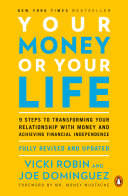
Your Money or Your Life
Joe Dominguez, Vicki Robin
9 Steps to Transforming Your Relationship with Money and Achieving Financial Independence: Fully Revised and Updated for 2018
21 min
Start Day 3
What you learn
Financial clarity begins with honest awareness of income and expenses.
Not all spending creates equal value in your life.
Tracking money helps you redirect resources toward what matters most.
Today's practice
Review the last 30 days of spending and group each expense into one of three categories: necessary, meaningful, or mindless.
DAY 4
Build your wealth with a simple investing philosophy
Today's focus
Learning the foundations of simple, long term investing and financial independence
What you learn
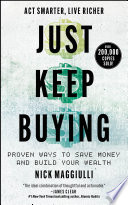
Wealth building often works best when the strategy is simple and consistent.
Long term investing rewards patience more than constant activity.
A clear investing philosophy helps you stay calm during volatility.
Today's practice
Write your personal investing rules in five lines, including your time horizon, risk tolerance, and what you will avoid doing when markets fall.
DAY 5
Avoid the traps that destroy wealth
Today's focus
Recognizing the habits and lifestyle patterns that prevent long term wealth accumulation
What you learn
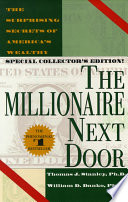
High income does not automatically lead to wealth.
Many wealthy people build their net worth through consistency, frugality, and discipline.
Looking rich and becoming rich are often opposite financial paths.
Today's practice
List three areas where lifestyle inflation may be affecting you today and decide one concrete change to reduce unnecessary status spending.
DAY 6
Put your finances on autopilot
Today's focus
Creating automatic systems for saving, investing, and reducing decision fatigue
What you learn
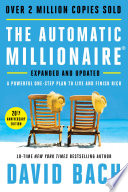
Automation reduces the need for constant willpower.
Small recurring financial actions can produce major long term results.
A good financial system should work even on busy or emotional days.
Today's practice
Design your ideal automatic money flow for each month, including income, fixed expenses, savings, investing, and discretionary spending.
DAY 7
Turn your principles into a personal strategy
Today's focus
Converting financial knowledge into practical rules you can follow consistently over time
What you learn
A practical financial strategy beats a perfect but unrealistic one.
Consistency matters more than trying to time every decision perfectly.
The best strategy is the one you can sustain through different life stages.
Today's practice
Create a one page personal financial strategy with your saving target, investing approach, spending rules, emergency fund goal, and next three financial priorities.
The 7 personal finance books in this plan
Most personal finance books hand you their system. This path makes you build your own: it starts with why you behave the way you do with money, moves through spending, investing and automation, and ends with a one-page strategy you can follow for the next 12 months. Read the books in order; each day builds on the previous one.
If you only read one:
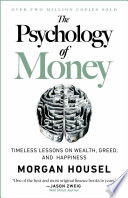
The Psychology of Money (day 1). The other six tell you what to do with your money; this one explains why you probably won't, and that is where most financial plans fail.