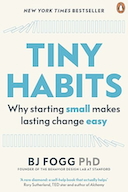
The core premise of Tiny Habits is that small, incremental changes can lead to significant improvements over time. Instead of focusing on large, daunting goals, the book emphasizes the importance of starting small. By breaking down habits into tiny, manageable actions, individuals can create a positive feedback loop that reinforces behavior change. For example, rather than setting a goal to exercise for an hour each day, one might start with just two minutes of exercise. This approach reduces the psychological barriers to starting a new habit and allows for easier integration into daily life. The book argues that these tiny changes are not only easier to adopt but also more sustainable in the long run.
Continue readingThe Behavior Model, developed by BJ Fogg, is a key framework in Tiny Habits. It posits that behavior occurs when three elements converge: motivation, ability, and a prompt. For a behavior to happen, a person must be motivated to do it, have the ability to do it, and be prompted to do it at the right moment. The book explains that instead of trying to increase motivation, which can fluctuate, individuals should focus on making the behavior easier to do and ensuring that prompts are present. This model serves as a foundation for understanding how habits form and how they can be effectively changed.
Continue readingCelebration plays a crucial role in the Tiny Habits method. Fogg emphasizes that celebrating immediately after completing a tiny habit helps to create a positive emotional response, which reinforces the behavior. This could be as simple as saying 'Good job!' to oneself or doing a little dance. The act of celebrating helps to wire the new behavior into one’s brain, making it more likely to be repeated in the future. This idea challenges the notion that habit formation is solely about discipline and willpower, highlighting instead the importance of positive emotions in creating lasting change.
Continue readingTiny Habits encourages individuals to focus on identity change rather than just behavior change. Instead of saying, 'I want to run more,' one might say, 'I am a runner.' This shift in mindset helps to align behaviors with one's self-perception, making it easier to adopt new habits. The book suggests that when people see themselves as the type of person who engages in a particular behavior, they are more likely to stick with it. This idea emphasizes the importance of self-identity in the habit formation process and encourages readers to think about the kind of person they want to become.
Continue readingThe book introduces a simple formula for creating tiny habits, which is expressed as: 'After I [existing habit], I will [new tiny habit].' This structure helps to anchor the new behavior to an existing routine, making it easier to remember and execute. By identifying a reliable prompt in one’s daily life, individuals can create a seamless transition between their established habits and the new tiny habits they wish to adopt. This recipe makes it straightforward for readers to experiment with tiny habit formation in their own lives.
Continue readingFogg emphasizes the importance of iteration in the Tiny Habits process. Rather than expecting perfection from the outset, individuals are encouraged to experiment with different tiny habits and adjust them as needed. This iterative approach allows for flexibility and adaptation, recognizing that what works for one person may not work for another. The book suggests treating habit formation as a learning process, where individuals can refine their approach based on what feels right and what leads to success. This mindset reduces the pressure to get it right immediately and fosters a more resilient attitude toward change.
Continue readingThe role of community and support is another significant theme in Tiny Habits. Fogg discusses how sharing progress with others and seeking support can enhance motivation and accountability. Engaging with a community of like-minded individuals can provide encouragement, inspiration, and a sense of belonging. The book suggests that individuals should not hesitate to reach out for support or to share their tiny habits with others, as this can create a positive social environment that fosters habit formation and personal growth.
Continue readingThe reading time for Tiny Habits depends on the reader's pace. However, this concise book summary covers the 7 key ideas from Tiny Habits, allowing you to quickly understand the main concepts, insights, and practical applications in around 22 min.
Tiny Habits is definitely worth reading. The book covers essential topics including The Power of Tiny Changes, Behavior Model, Celebration as Reinforcement, providing practical insights and actionable advice. Whether you read the full book or our concise summary, Tiny Habits delivers valuable knowledge that can help you improve your understanding and apply these concepts in your personal or professional life.
Tiny Habits was written by B. J. Fogg.
If you enjoyed Tiny Habits by B. J. Fogg and want to explore similar topics or deepen your understanding, we highly recommend these related book summaries:
These books cover related themes, complementary concepts, and will help you build upon the knowledge gained from Tiny Habits. Each of these summaries provides concise insights that can further enhance your understanding and practical application of the ideas presented in Tiny Habits.