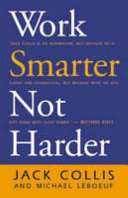
The book emphasizes the importance of prioritizing tasks to enhance productivity. It introduces various techniques like the Eisenhower Matrix, which helps categorize tasks based on urgency and importance. By focusing on high-priority tasks, individuals can allocate their time and resources more effectively, ensuring that they are working on what truly matters. This idea encourages readers to assess their daily activities critically, eliminating time-wasting habits and concentrating on tasks that align with their long-term goals.
Continue readingIn the modern world, technology plays a crucial role in optimizing work processes. The book discusses various tools and software that can automate mundane tasks, manage projects, and enhance communication. By leveraging technology, individuals can streamline their workflows, reduce errors, and free up time for more strategic thinking. This idea also includes understanding the right tools for specific tasks and continuously adapting to new technologies that can improve efficiency.
Continue readingOne of the key themes in the book is the power of delegation. It argues that trying to do everything oneself can lead to burnout and decreased productivity. By empowering others and delegating tasks, individuals can focus on their strengths and areas where they add the most value. The book provides strategies for effective delegation, including choosing the right person for the task, providing clear instructions, and trusting others to deliver results. This approach not only enhances productivity but also fosters teamwork and collaboration.
Continue readingThe book stresses the significance of setting clear, measurable goals. It introduces techniques such as SMART (Specific, Measurable, Achievable, Relevant, Time-bound) goals to help individuals articulate their objectives effectively. Clear goals provide direction and motivation, enabling individuals to track their progress and make necessary adjustments. This idea encourages readers to break down larger goals into actionable steps, making them more manageable and less overwhelming.
Continue readingA growth mindset is essential for continuous improvement and adaptability. The book discusses how embracing challenges, learning from failures, and being open to feedback can lead to personal and professional development. By fostering a growth mindset, individuals can overcome obstacles and remain resilient in the face of setbacks. This idea encourages readers to view challenges as opportunities for growth rather than as threats, ultimately enhancing their problem-solving abilities and innovation.
Continue readingThe book highlights the importance of work-life balance in achieving long-term productivity and satisfaction. It discusses strategies for setting boundaries, managing stress, and ensuring time for personal interests and relationships. By maintaining a healthy work-life balance, individuals can recharge and prevent burnout, which ultimately leads to increased creativity and effectiveness in their work. This idea encourages readers to prioritize self-care and recognize that productivity is not solely about working longer hours but about working smarter.
Continue readingThe final idea revolves around the necessity of continuous learning and adaptation in a rapidly changing world. The book advocates for a commitment to lifelong learning, whether through formal education, self-study, or experiential learning. It emphasizes the importance of staying updated with industry trends and being willing to adapt to new circumstances. This idea encourages readers to cultivate curiosity and seek out opportunities for growth, ensuring they remain relevant and competitive in their fields.
Continue readingThe reading time for Work Smarter Not Harder depends on the reader's pace. However, this concise book summary covers the 7 key ideas from Work Smarter Not Harder, allowing you to quickly understand the main concepts, insights, and practical applications in around 24 min.
Work Smarter Not Harder is definitely worth reading. The book covers essential topics including Prioritize Your Tasks, Leverage Technology, Embrace Delegation, providing practical insights and actionable advice. Whether you read the full book or our concise summary, Work Smarter Not Harder delivers valuable knowledge that can help you improve your understanding and apply these concepts in your personal or professional life.
Work Smarter Not Harder was written by Jack Collis.
If you enjoyed Work Smarter Not Harder by Jack Collis and want to explore similar topics or deepen your understanding, we highly recommend these related book summaries:
These books cover related themes, complementary concepts, and will help you build upon the knowledge gained from Work Smarter Not Harder. Each of these summaries provides concise insights that can further enhance your understanding and practical application of the ideas presented in Work Smarter Not Harder.