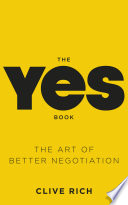
The core premise of 'The Yes Book' is the importance of saying 'yes' to opportunities that come your way. The author, a proponent of an affirmative mindset, argues that by accepting new challenges and experiences, you open yourself up to growth and learning. This idea encourages readers to step outside their comfort zones and embrace uncertainty. The book illustrates how saying 'yes' can lead to unexpected paths, collaborations, and personal development. The narrative includes personal anecdotes, case studies, and practical tips on how to recognize and seize opportunities when they arise.
Continue reading'The Yes Book' addresses the common fear of rejection that often holds people back from pursuing new ventures. The author shares insights on how to reframe rejection as a learning experience rather than a setback. By adopting a more resilient mindset, individuals can approach new situations with confidence. The book provides strategies for managing fear, such as visualization techniques, positive affirmations, and gradual exposure to challenging situations. This approach empowers readers to take risks and understand that rejection is a natural part of growth.
Continue readingA recurring theme throughout 'The Yes Book' is the significance of maintaining a positive mindset. The author emphasizes that a positive attitude can drastically influence one's ability to say 'yes' to new opportunities. The book discusses various techniques for cultivating positivity, such as gratitude practices, mindfulness, and surrounding oneself with supportive individuals. The narrative illustrates how a positive mindset not only enhances personal well-being but also attracts opportunities and fosters better relationships. This idea encourages readers to actively work on their mindset to unlock their potential.
Continue reading'The Yes Book' highlights the critical role that networking plays in personal and professional growth. The author discusses how saying 'yes' often leads to new connections and collaborations, which can be instrumental in achieving goals. The book provides practical advice on how to expand one's network, including attending events, leveraging social media, and engaging in community activities. By emphasizing the importance of building relationships, the author illustrates how networking can create a ripple effect of opportunities and support in one's journey.
Continue readingAnother fundamental idea presented in 'The Yes Book' is the necessity of taking action. The author argues that saying 'yes' is just the first step; it must be followed by concrete actions to realize the potential of the opportunities presented. The book outlines actionable steps for turning ideas into reality, such as setting clear goals, creating action plans, and maintaining accountability. By emphasizing the importance of execution, the author inspires readers to move beyond mere intention and into the realm of achievement.
Continue reading'The Yes Book' encourages readers to view failure as a valuable teacher rather than a deterrent. The author shares stories of successful individuals who faced numerous failures before achieving their goals, illustrating that failure is often a stepping stone to success. The book provides frameworks for analyzing failures, extracting lessons, and applying them to future endeavors. This perspective fosters resilience and encourages readers to persist in the face of challenges, reinforcing the idea that every 'no' can lead to a more informed 'yes' in the future.
Continue readingThe final key idea in 'The Yes Book' is the concept of creating a 'yes' culture within organizations and teams. The author discusses how fostering an environment where individuals feel empowered to say 'yes' can lead to innovation, collaboration, and enhanced morale. The book provides strategies for leaders to cultivate this culture, such as encouraging open communication, celebrating successes, and providing support for risk-taking. By establishing a 'yes' culture, organizations can unlock the full potential of their teams and drive collective success.
Continue readingThe reading time for The Yes Book depends on the reader's pace. However, this concise book summary covers the 7 key ideas from The Yes Book, allowing you to quickly understand the main concepts, insights, and practical applications in around 23 min.
The Yes Book is definitely worth reading. The book covers essential topics including Embrace Opportunities, Overcoming Fear of Rejection, Cultivating a Positive Mindset, providing practical insights and actionable advice. Whether you read the full book or our concise summary, The Yes Book delivers valuable knowledge that can help you improve your understanding and apply these concepts in your personal or professional life.
The Yes Book was written by Clive Rich.
If you enjoyed The Yes Book by Clive Rich and want to explore similar topics or deepen your understanding, we highly recommend these related book summaries:
These books cover related themes, complementary concepts, and will help you build upon the knowledge gained from The Yes Book. Each of these summaries provides concise insights that can further enhance your understanding and practical application of the ideas presented in The Yes Book.