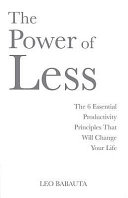
In 'The Power of Less', Leo Babauta emphasizes the significance of simplicity in various aspects of life. He argues that by stripping away the non-essential, we can focus on what truly matters. This idea is rooted in the belief that complexity adds stress and distraction, hindering our productivity and overall happiness. Babauta encourages readers to declutter their physical and mental spaces, advocating for a minimalist lifestyle. By doing so, individuals can gain clarity and make more deliberate choices that align with their goals. The book provides practical tips on how to simplify tasks, commitments, and even relationships, ultimately leading to a more fulfilling life.
Continue readingAnother critical concept in the book is the necessity of setting clear and achievable goals. Babauta stresses that without well-defined goals, it is easy to become overwhelmed and lose direction. He suggests breaking down larger goals into smaller, manageable tasks, which can create a sense of accomplishment and motivation. The author presents a framework for goal-setting that includes identifying priorities, creating actionable steps, and regularly reviewing progress. This approach not only helps maintain focus but also fosters a sense of purpose and clarity in one's endeavors.
Continue readingBabauta discusses the importance of focus in achieving success and productivity. He argues that in a world filled with distractions, maintaining focus is more crucial than ever. The author provides strategies to enhance concentration, such as limiting multitasking, setting specific time blocks for tasks, and creating an environment conducive to deep work. By honing in on one task at a time, individuals can improve their efficiency and quality of work. The book illustrates how focus can lead to better decision-making and increased satisfaction in both personal and professional life.
Continue readingOne of the unique ideas presented in 'The Power of Less' is the concept of embracing constraints. Babauta argues that limitations can actually foster creativity and innovation. By setting boundaries on time, resources, and energy, individuals are encouraged to think outside the box and find solutions that they may not have considered otherwise. The author provides examples of how constraints can lead to more effective problem-solving and decision-making. This perspective challenges the common belief that more options lead to better outcomes, instead promoting the idea that less can indeed be more.
Continue readingHabits play a significant role in shaping our lives, and Babauta emphasizes the need to cultivate effective habits that align with our goals. He outlines a process for habit formation that includes starting small, being consistent, and tracking progress. The book highlights the importance of understanding one's motivations and triggers to create sustainable change. By focusing on building positive habits, individuals can automate their behaviors and make progress toward their goals with less effort. Babauta’s insights into habit formation provide a practical roadmap for anyone looking to improve their daily routines and overall productivity.
Continue readingIn 'The Power of Less', Babauta discusses the importance of learning to say no. He explains that many people overcommit themselves, leading to stress and burnout. By recognizing the value of our time and energy, we can make more intentional choices about where to invest them. The author encourages readers to evaluate their commitments and prioritize those that align with their goals. Saying no can be a powerful tool for creating space for what truly matters, allowing individuals to focus on their priorities and enhance their overall well-being.
Continue readingFinally, Babauta emphasizes the importance of living with intention. He encourages readers to reflect on their values and aspirations, guiding them to make decisions that align with their true selves. Living intentionally involves being mindful of how we spend our time and energy, ensuring that our actions reflect our priorities. The book provides strategies for cultivating mindfulness and awareness in daily life, helping individuals to stay connected to their goals and values. By living with intention, readers can create a more meaningful and fulfilling life.
Continue readingThe reading time for The Power of Less depends on the reader's pace. However, this concise book summary covers the 7 key ideas from The Power of Less, allowing you to quickly understand the main concepts, insights, and practical applications in around 22 min.
The Power of Less is definitely worth reading. The book covers essential topics including The Importance of Simplicity, Setting Clear Goals, The Power of Focus, providing practical insights and actionable advice. Whether you read the full book or our concise summary, The Power of Less delivers valuable knowledge that can help you improve your understanding and apply these concepts in your personal or professional life.
The Power of Less was written by Leo Babauta.
If you enjoyed The Power of Less by Leo Babauta and want to explore similar topics or deepen your understanding, we highly recommend these related book summaries:
These books cover related themes, complementary concepts, and will help you build upon the knowledge gained from The Power of Less. Each of these summaries provides concise insights that can further enhance your understanding and practical application of the ideas presented in The Power of Less.