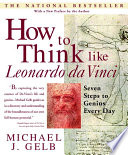
Curiosità is the relentless pursuit of knowledge. Leonardo da Vinci exemplified this trait, as he was fascinated by everything around him. This idea encourages individuals to cultivate their innate curiosity about the world. By asking questions and seeking to understand various subjects, one can develop a more profound understanding of life and enhance creativity. Curiosity leads to exploration, experimentation, and ultimately, innovation. To think like da Vinci, one must embrace a mindset of lifelong learning, constantly seeking new experiences and knowledge. This can involve reading widely across different fields, engaging in discussions, and exploring new hobbies. The key is to maintain an open mind and a willingness to learn from every situation.
Continue readingDimostrazione refers to the practice of learning through experience and experimentation. Leonardo believed that theory should be tested through practice. This principle encourages individuals to engage in hands-on learning, allowing them to understand concepts more deeply. Emphasizing the importance of experiential learning, this idea suggests that one should not take information at face value but rather seek to verify and test it. By applying knowledge in real-world scenarios, individuals can gain insights that theoretical learning alone cannot provide. This approach fosters critical thinking and problem-solving skills, essential for personal and professional growth.
Continue readingSensazione emphasizes the importance of honing one's senses to enhance perception and creativity. Da Vinci believed that observing the world through all five senses could lead to a richer understanding of reality. This idea encourages individuals to engage with their surroundings fully, paying attention to details that might otherwise go unnoticed. By developing sensory awareness, one can improve their ability to see connections and patterns, leading to innovative ideas. Practicing mindfulness and being present in the moment can enhance sensory experiences, allowing for deeper insights and inspiration. This focus on sensory engagement can also lead to greater appreciation for art, nature, and human experiences.
Continue readingSfumato is the acceptance of uncertainty and ambiguity in life. Leonardo da Vinci was known for his ability to embrace the unknown, recognizing that not everything can be categorized or understood clearly. This idea encourages individuals to be comfortable with ambiguity and to see it as a source of creativity rather than a limitation. By allowing for uncertainty, one can explore multiple perspectives and possibilities, leading to innovative solutions and ideas. Embracing ambiguity also fosters flexibility and adaptability, essential traits in a rapidly changing world. This approach can help individuals navigate complex situations with a more open and creative mindset.
Continue readingArte/Scienza refers to the integration of art and science, highlighting the importance of balancing creativity with analytical thinking. Leonardo da Vinci was both an artist and a scientist, and he believed that the two disciplines could inform and enhance each other. This idea encourages individuals to cultivate both creative and analytical skills, recognizing that innovation often arises at the intersection of these fields. By engaging in both artistic endeavors and scientific inquiry, individuals can develop a more holistic understanding of the world. This integration fosters creativity, critical thinking, and problem-solving abilities, essential for success in various fields.
Continue readingCorporalità emphasizes the importance of the body and physical health in achieving mental clarity and creativity. Leonardo believed that a healthy body supports a healthy mind. This idea encourages individuals to prioritize physical well-being through exercise, nutrition, and mindfulness practices. By taking care of one's physical health, individuals can enhance their cognitive abilities, focus, and overall quality of life. Engaging in activities that promote physical fitness can also stimulate creativity and problem-solving skills. The connection between body and mind is crucial for achieving peak performance in any endeavor.
Continue readingConnessione highlights the interconnectedness of all things. Leonardo da Vinci saw the world as a complex web of relationships and interactions. This idea encourages individuals to recognize and explore the connections between different disciplines, ideas, and experiences. By understanding how various elements relate to one another, individuals can gain deeper insights and foster creativity. This interconnected perspective can lead to innovative solutions and a more profound understanding of complex problems. Emphasizing collaboration and interdisciplinary thinking, this idea is particularly relevant in today’s interconnected world, where diverse perspectives can lead to groundbreaking innovations.
Continue readingThe reading time for How to Think Like Leonardo da Vinci depends on the reader's pace. However, this concise book summary covers the 7 key ideas from How to Think Like Leonardo da Vinci, allowing you to quickly understand the main concepts, insights, and practical applications in around 23 min.
How to Think Like Leonardo da Vinci is definitely worth reading. The book covers essential topics including Curiosità (Curiosity), Dimostrazione (Demonstration), Sensazione (Sensation), providing practical insights and actionable advice. Whether you read the full book or our concise summary, How to Think Like Leonardo da Vinci delivers valuable knowledge that can help you improve your understanding and apply these concepts in your personal or professional life.
How to Think Like Leonardo da Vinci was written by Michael J. Gelb.
If you enjoyed How to Think Like Leonardo da Vinci by Michael J. Gelb and want to explore similar topics or deepen your understanding, we highly recommend these related book summaries:
These books cover related themes, complementary concepts, and will help you build upon the knowledge gained from How to Think Like Leonardo da Vinci. Each of these summaries provides concise insights that can further enhance your understanding and practical application of the ideas presented in How to Think Like Leonardo da Vinci.