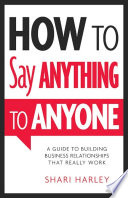
Effective communication is a cornerstone of personal and professional relationships. In 'How to Say Anything to Anyone,' the author emphasizes that the ability to express oneself clearly and persuasively can lead to better connections with others. The book delves into the nuances of verbal and non-verbal communication, highlighting how tone, body language, and choice of words can influence the message being conveyed. Readers learn that communication is not just about speaking but also about listening actively. By practicing good communication skills, individuals can navigate difficult conversations, resolve conflicts, and build rapport with colleagues, friends, and family.
Continue readingOne of the key takeaways from the book is the necessity of understanding your audience before engaging in a conversation. The author discusses the importance of empathy and emotional intelligence in this regard. By recognizing the feelings, concerns, and perspectives of others, communicators can tailor their messages to resonate more effectively. The book provides practical strategies for assessing the mood and expectations of the audience, which can lead to more productive discussions. This idea underscores that communication is not a one-size-fits-all approach; instead, it requires adaptability and awareness of the context in which the conversation takes place.
Continue readingProviding and receiving feedback is a critical aspect of communication that the book addresses in depth. The author outlines techniques for delivering constructive criticism in a way that is respectful and supportive. This involves focusing on specific behaviors rather than making personal attacks, as well as framing feedback positively to encourage growth. The book also emphasizes the importance of being open to receiving feedback from others, which can foster a culture of continuous improvement. By mastering the art of feedback, individuals can help others develop their skills while also enhancing their own communication abilities.
Continue readingDifficult conversations are an inevitable part of life, whether in personal relationships or the workplace. The author provides a roadmap for approaching these conversations with confidence and poise. Key strategies include preparing for the discussion, remaining calm under pressure, and using 'I' statements to express feelings without placing blame. The book also discusses the significance of timing and setting when initiating tough conversations, as these factors can greatly impact the outcome. By learning how to navigate difficult discussions effectively, readers can reduce anxiety and enhance their ability to resolve conflicts.
Continue readingTrust is a foundational element of effective communication, and the book emphasizes the importance of building rapport with others. The author outlines techniques for establishing trust, such as being genuine, showing vulnerability, and actively listening. The book also highlights the role of consistency and reliability in fostering trust over time. By prioritizing relationship-building, individuals can create environments where open communication thrives, leading to more fruitful interactions. The idea of trust extends beyond personal relationships; in professional settings, it can lead to improved teamwork and collaboration.
Continue readingNon-verbal communication plays a crucial role in conveying messages and emotions. The author discusses various aspects of non-verbal cues, such as facial expressions, gestures, and posture, and how they can complement or contradict verbal communication. Understanding these cues can enhance one's ability to interpret the emotions of others and respond appropriately. The book encourages readers to be mindful of their own non-verbal signals and to align them with their spoken words for greater impact. By mastering non-verbal communication, individuals can become more persuasive and effective communicators.
Continue readingActive listening is a vital skill that the book underscores as essential for effective communication. The author explains that active listening involves fully engaging with the speaker, demonstrating understanding, and providing feedback. Techniques such as summarizing what the speaker has said and asking clarifying questions can enhance the listening experience. The book also emphasizes the importance of eliminating distractions and being present in the moment. By practicing active listening, individuals can foster deeper connections with others and ensure that their responses are relevant and thoughtful.
Continue readingThe reading time for How to Say Anything to Anyone depends on the reader's pace. However, this concise book summary covers the 7 key ideas from How to Say Anything to Anyone, allowing you to quickly understand the main concepts, insights, and practical applications in around 23 min.
How to Say Anything to Anyone is definitely worth reading. The book covers essential topics including The Importance of Communication Skills, Understanding Your Audience, The Art of Constructive Feedback, providing practical insights and actionable advice. Whether you read the full book or our concise summary, How to Say Anything to Anyone delivers valuable knowledge that can help you improve your understanding and apply these concepts in your personal or professional life.
How to Say Anything to Anyone was written by Shari Harley.
If you enjoyed How to Say Anything to Anyone by Shari Harley and want to explore similar topics or deepen your understanding, we highly recommend these related book summaries:
These books cover related themes, complementary concepts, and will help you build upon the knowledge gained from How to Say Anything to Anyone. Each of these summaries provides concise insights that can further enhance your understanding and practical application of the ideas presented in How to Say Anything to Anyone.