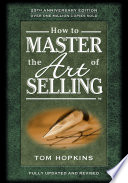
The book emphasizes the importance of understanding the psychological aspects that drive consumer behavior. It delves into how emotions influence buying decisions and how sales professionals can leverage this knowledge to connect with customers. By tapping into the emotional triggers that motivate consumers, salespeople can create a compelling narrative that resonates with their audience. This understanding allows for a more personalized approach, making it easier to build rapport and trust. The book provides practical techniques for identifying customer needs and tailoring sales pitches accordingly, which ultimately leads to higher conversion rates.
Continue readingA significant theme in the book is the importance of building long-term relationships rather than focusing solely on immediate sales. The author argues that successful selling is about creating value for customers and fostering loyalty. By prioritizing relationships, sales professionals can turn one-time buyers into repeat customers, which is crucial for sustainable business growth. The book offers strategies for cultivating trust and maintaining communication with clients, such as follow-ups and personalized service. This approach not only enhances customer satisfaction but also encourages referrals, further expanding the sales professional's network.
Continue readingEffective communication is at the heart of successful selling. The book explores various communication techniques that can enhance a salesperson's ability to convey their message clearly and persuasively. It covers active listening, body language, and the power of storytelling in sales. By mastering these skills, salespeople can better understand their customers' needs and respond in a way that resonates with them. The author emphasizes that communication is not just about talking; it's about creating a dialogue that engages the customer and addresses their concerns. This two-way communication fosters a more meaningful connection and increases the likelihood of closing a sale.
Continue readingThe book provides insights into handling objections and rejections, which are inevitable in the sales process. It teaches readers how to view objections as opportunities rather than setbacks. By anticipating common objections and preparing thoughtful responses, sales professionals can navigate these challenges with confidence. The author shares techniques for reframing objections, turning them into a dialogue that uncovers the customer's true concerns. This proactive approach not only helps in overcoming resistance but also demonstrates the salesperson's commitment to addressing the customer's needs, ultimately leading to a more successful sales outcome.
Continue readingIn the ever-evolving landscape of sales, the book stresses the importance of continuous learning and adaptation. The author encourages readers to stay informed about industry trends, consumer behavior, and new sales techniques. This commitment to lifelong learning enables sales professionals to remain competitive and relevant in their field. The book outlines various resources for professional development, including workshops, seminars, and online courses. By embracing a growth mindset, salespeople can refine their skills, adapt to changing market conditions, and ultimately enhance their sales performance.
Continue readingGoal setting is a crucial aspect of mastering the art of selling. The book outlines the importance of establishing clear, measurable objectives that guide sales efforts. It discusses the SMART criteria (Specific, Measurable, Achievable, Relevant, Time-bound) for setting effective goals. Additionally, the author emphasizes the need for tracking progress and adjusting strategies as needed. This systematic approach not only keeps sales professionals focused but also allows them to celebrate milestones and learn from setbacks. By regularly assessing their performance against their goals, salespeople can identify areas for improvement and optimize their sales strategies.
Continue readingThe book highlights the role of technology in modern sales practices. It discusses various tools and platforms that can enhance efficiency and effectiveness in the sales process. From CRM systems to social media marketing, the author explores how technology can streamline operations, improve customer engagement, and provide valuable insights into consumer behavior. By leveraging these technological advancements, sales professionals can automate routine tasks, allowing them to focus more on building relationships and closing deals. The book encourages readers to embrace technology as an ally in their sales efforts, equipping them with the tools needed to succeed in a digital world.
Continue readingThe reading time for How to Master the Art of Selling depends on the reader's pace. However, this concise book summary covers the 7 key ideas from How to Master the Art of Selling, allowing you to quickly understand the main concepts, insights, and practical applications in around 22 min.
How to Master the Art of Selling is definitely worth reading. The book covers essential topics including Understanding the Psychology of Selling, Building Relationships over Transactions, Mastering the Art of Communication, providing practical insights and actionable advice. Whether you read the full book or our concise summary, How to Master the Art of Selling delivers valuable knowledge that can help you improve your understanding and apply these concepts in your personal or professional life.
How to Master the Art of Selling was written by Tom Hopkins.
If you enjoyed How to Master the Art of Selling by Tom Hopkins and want to explore similar topics or deepen your understanding, we highly recommend these related book summaries:
These books cover related themes, complementary concepts, and will help you build upon the knowledge gained from How to Master the Art of Selling. Each of these summaries provides concise insights that can further enhance your understanding and practical application of the ideas presented in How to Master the Art of Selling.